Composting Made Fun: Easy Tips for Families to Reduce Waste and Enrich Soil 🌿
Composting might sound tricky, but it’s actually a fantastic family adventure! When you try these simple composting tips, you’ll watch kitchen scraps turn into rich soil that helps your garden grow strong. Ready to reduce waste, have fun with your little gardeners, and nurture nature all at once? Let’s get started on this eco-friendly journey that brings soil health and smiles together! Please follow us for more green adventures.
Composting Basics for Families
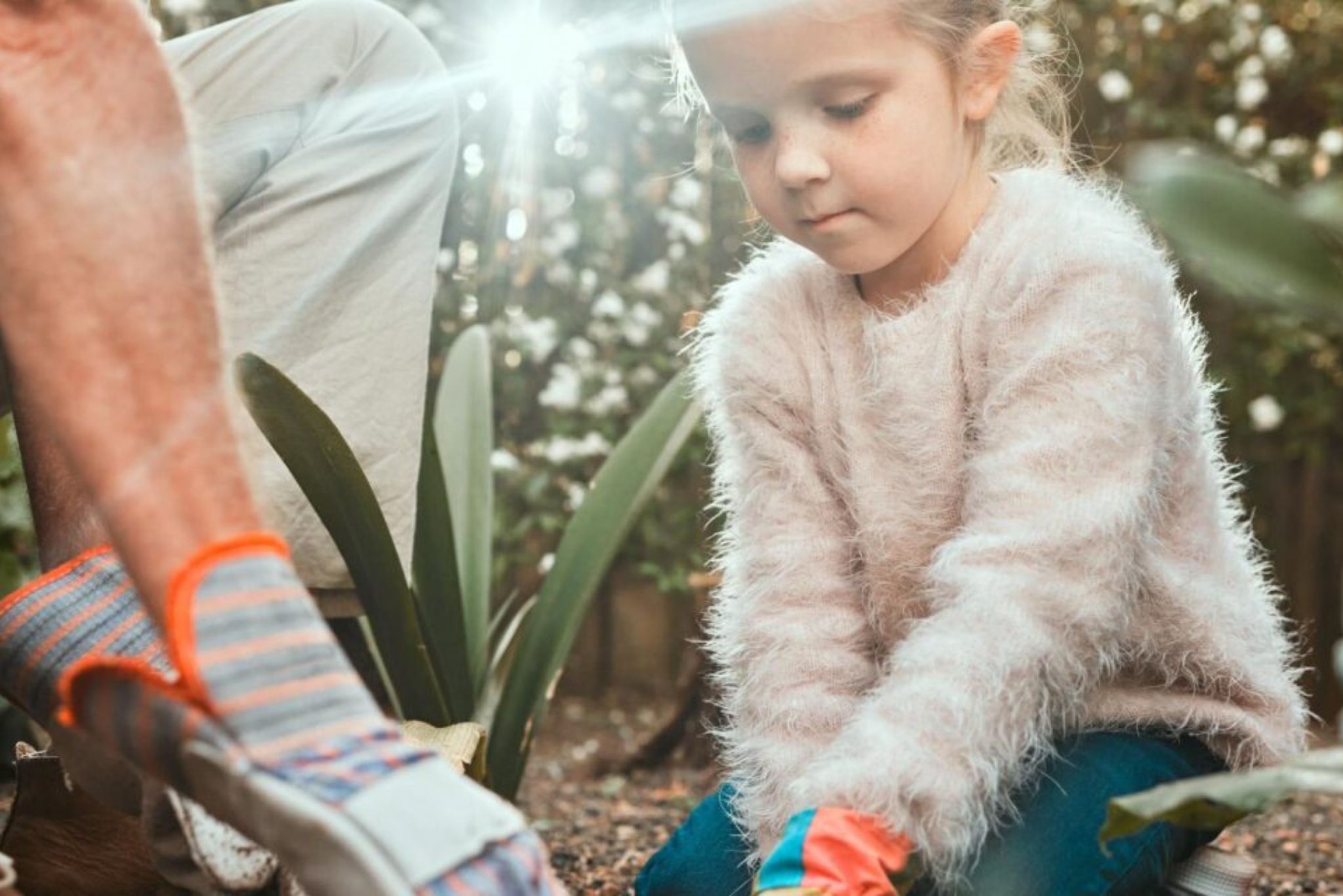
Starting your composting journey is simpler than you might think. With just a few steps, you can turn waste into a garden treasure. Here’s how to begin this rewarding family project.
Simple Steps for Starting
First, gather your family and decide on a spot for your compost pile. It can be in your garden or even a small container on a balcony. Next, start with a layer of twigs or straw to help air circulate. Add kitchen scraps like fruit peels and vegetable trimmings. These are called “greens” and provide nitrogen. Balance them with “browns” like dried leaves or paper, which add carbon. Aim for a 50/50 mix for best results.
Each week, give your compost a gentle mix with a pitchfork or stick. This helps speed up the process. In a few months, you’ll have rich soil ready to nourish your garden. If you’re curious about how to make the most of composting.
Choosing the Right Compost Bin
Selecting a compost bin can seem daunting, but it doesn’t need to be. Consider the size of your space and the amount of waste you produce. For small spaces, a compact bin with a lid works well. If you have more room, try a larger, open bin made of wood or wire. Some families even build their own from pallets or old containers.
Look for bins with good ventilation. Compost needs air to break down material effectively. A rotating bin can make mixing easier, too, especially for younger family members. As you choose, remember that the bin you select should fit your lifestyle and space. Need more tips? This EPA guide might help.
What to Compost and What to Avoid
Knowing what to compost is key to success. Most fruit and vegetable scraps, coffee grounds, and eggshells are excellent choices. They add essential nutrients to your pile. Avoid meat, dairy, and oily foods, as they can attract pests and create unpleasant odours.
It’s also helpful to avoid composting diseased plants or weeds with seeds, as they might sprout in your garden later.
Making Composting Fun for Kids
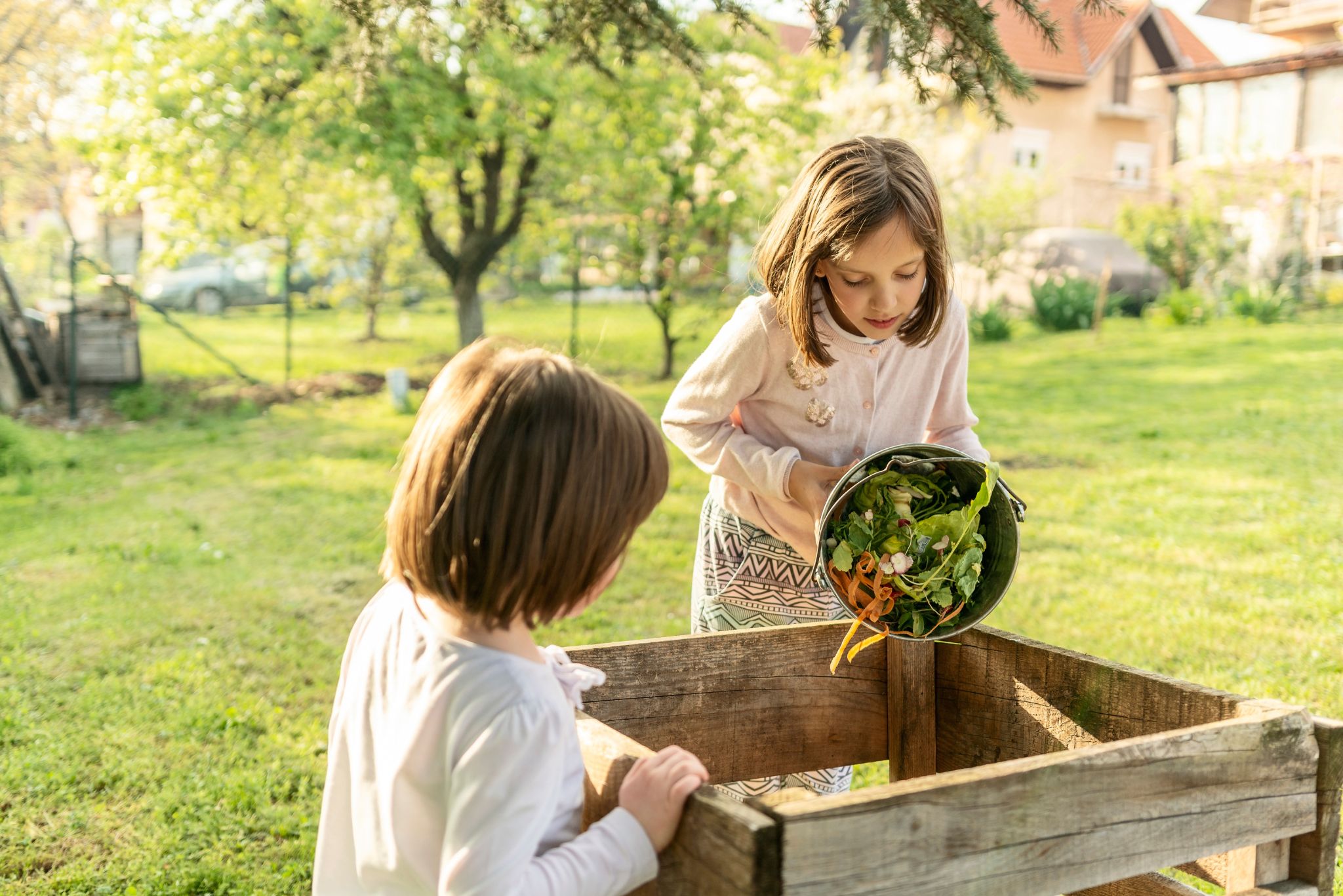
Turning composting into a playful activity can engage children and make learning joyful. Let’s explore some creative ways to involve your little ones in this eco-friendly task.
Creative Composting Activities
Try creating a scrapbook with your children to track composting progress. Take pictures of new additions to the pile and note changes in colour and smell. You can also make a “Compost Art” area where kids draw what they think happens inside the pile. This encourages creativity while they learn.
Another idea is to craft compost creatures from paper and natural materials. These little characters can “guard” the compost bin, making it more magical. By turning composting into an art project, children see how waste becomes something wonderful.
Exploring Nature’s Little Helpers
Introducing kids to the tiny creatures that help with composting can be fascinating. Set out on a “worm hunt” to find these helpful critters. Explain how worms break down food scraps and keep the soil healthy.
Consider creating a small worm farm using a container with soil and kitchen scraps. Watching worms in action is both educational and exciting. Remind children that worms are nature’s recyclers, turning the mundane into the marvellous.
Composting Games to Try
Games are a fantastic way to make composting enjoyable. Try a “Compost Relay Race” where kids sort kitchen scraps into compostable and non-compostable piles. The fastest sorter wins!
Another fun game is “Compost Bingo,” where children fill a bingo card with items they add to the compost. It encourages them to participate regularly and learn about what can be composted. These activities transform composting from a chore into a family favourite.
Benefits of Composting Together
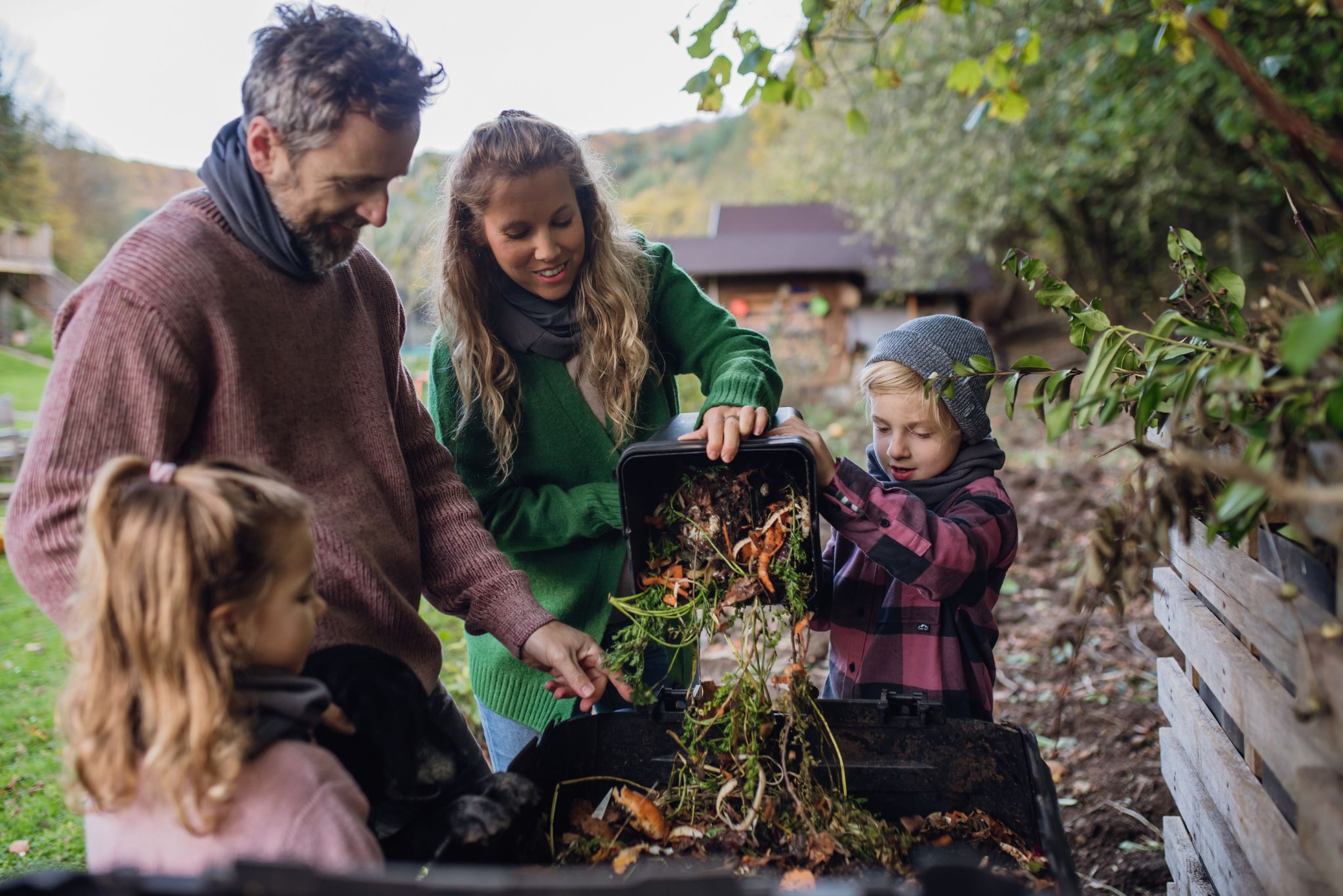
Composting as a family brings numerous rewards beyond the garden. Let’s dive into how this practice can positively impact your home and community.
Reducing Waste at Home
By composting, your family can significantly cut down on waste. On average, households can reduce their waste by up to 30% through composting. Less waste means fewer trips to the bin and a more sustainable lifestyle. It’s a simple step with a substantial impact on your household and the environment.
Improving Soil Health Naturally
Composting enriches soil, boosting its ability to retain moisture and support plant growth. Healthy soil means healthier plants and a more vibrant garden. This natural improvement reduces the need for chemical fertilizers, making your garden a safer place for kids and pets.
Teaching Environmental Stewardship to Children
Composting teaches children valuable lessons about responsibility and sustainability. They learn how small actions, like saving a banana peel, contribute to a larger goal of environmental care. This habit fosters a sense of stewardship that can last a lifetime, empowering kids to take initiative in caring for their world.
🌟 Share your composting tips with us! Follow us for more eco-friendly adventures! 🌿
🌿 Ready to keep the adventure going?
Join the Dan the Gardener & Friends Club for free today and get instant access to our Bumper Activity Pack, filled with eco-friendly crafts, games and recipes that make learning about nature fun.
💚 Click Here to Join the Club — It’s Free!