Easy Composting Tips for Families: Transform Kitchen Scraps into Garden Gold!
Turning kitchen scraps into garden gold might sound like magic, but it’s simpler than you think! Your family can join Dan the Gardener and friends on a fun adventure full of easy composting tips that help nature thrive. Ready to see how your leftover peels and bits can nourish your garden and teach children about eco-friendly living? Let’s get started on this green, hands-on journey!
Please follow us for more eco adventures and join the Dan the Gardener & Friends Club for free!
Getting Started with Composting
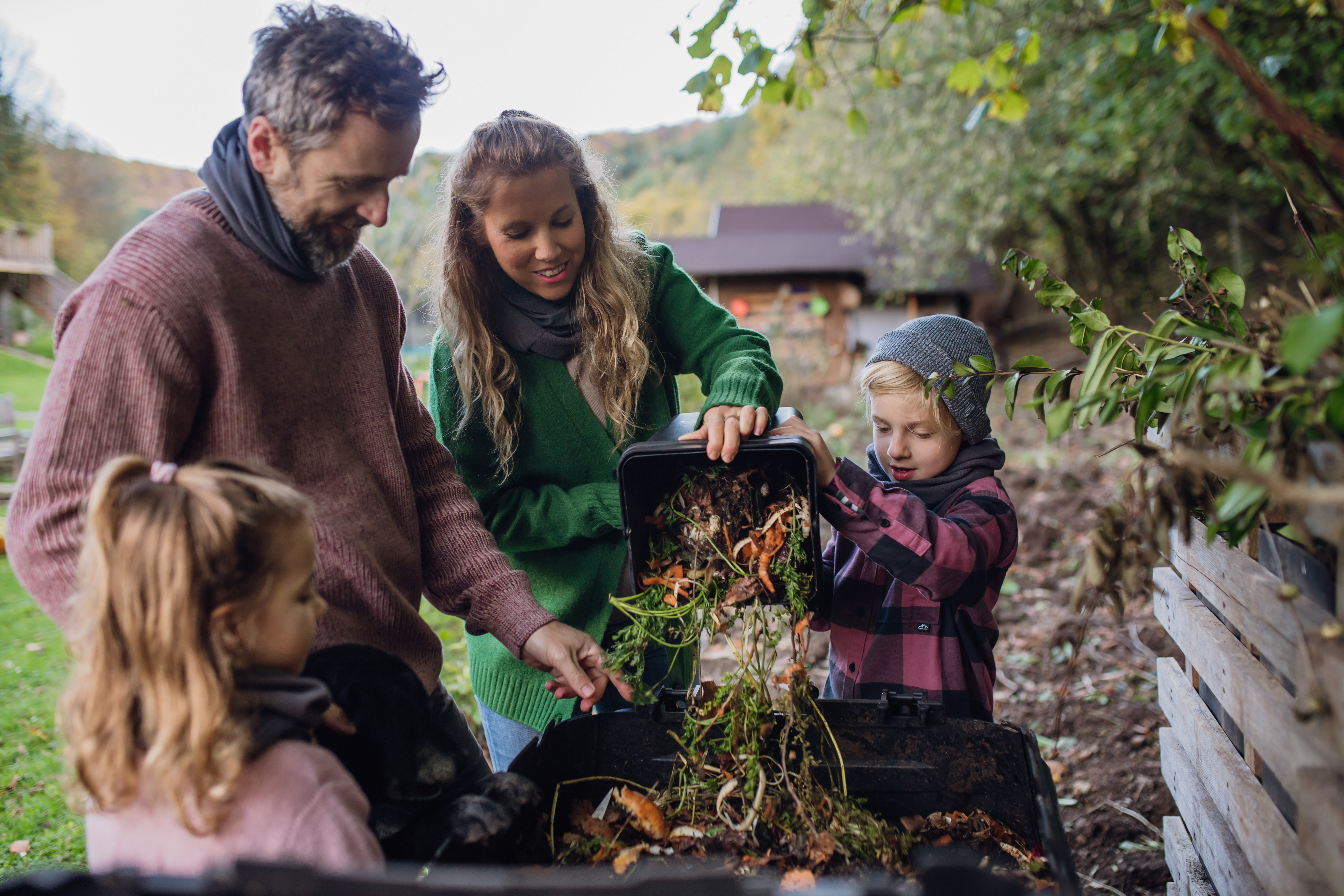
Composting is an exciting way to turn kitchen scraps into something valuable for your garden. It’s a family-friendly activity that brings everyone together. Let’s explore how you can begin this eco-friendly journey at home!
Composting Basics for Families
Starting with composting doesn’t require a lot. Begin by setting up a simple bin or pile in your garden. This will become the magical place where food scraps transform into rich soil. You’ll mainly need fruit and vegetable scraps, coffee grounds, and eggshells. These items break down easily and enrich the soil. Avoid meat, dairy, and oily foods—they don’t compost well and can attract pests.
Involve your kids by asking them to help sort and collect the scraps. Make it a fun game! Explain how these scraps will help flowers and vegetables grow. Most people think composting is complex, but it’s just nature’s way of recycling! As the compost pile grows, encourage the kids to turn it with a small shovel every few weeks. This helps air circulate, speeding up the process. As you see the pile change, it will become a valuable lesson in patience and nature’s cycle.
Essential Tools for Success
Now that you’re ready to compost, let’s talk about the tools you might need. A compost bin can be as simple as a patch of earth or a wooden box. If you prefer, you can buy a ready-made bin from a garden store. You’ll also need a small kitchen container with a lid to collect daily scraps. Make sure it’s easy for little hands to open and close.
For turning your compost, a sturdy garden fork or shovel will do the trick. This helps mix things up and adds air, which is important for decomposition. You might also want a moisture meter to check if your compost is too dry or wet. Kids will enjoy using this gadget! Remember, the longer you wait to start composting, the more garden gold you miss out on. Get your tools ready and jump into action today!
Transforming Kitchen Scraps into Compost
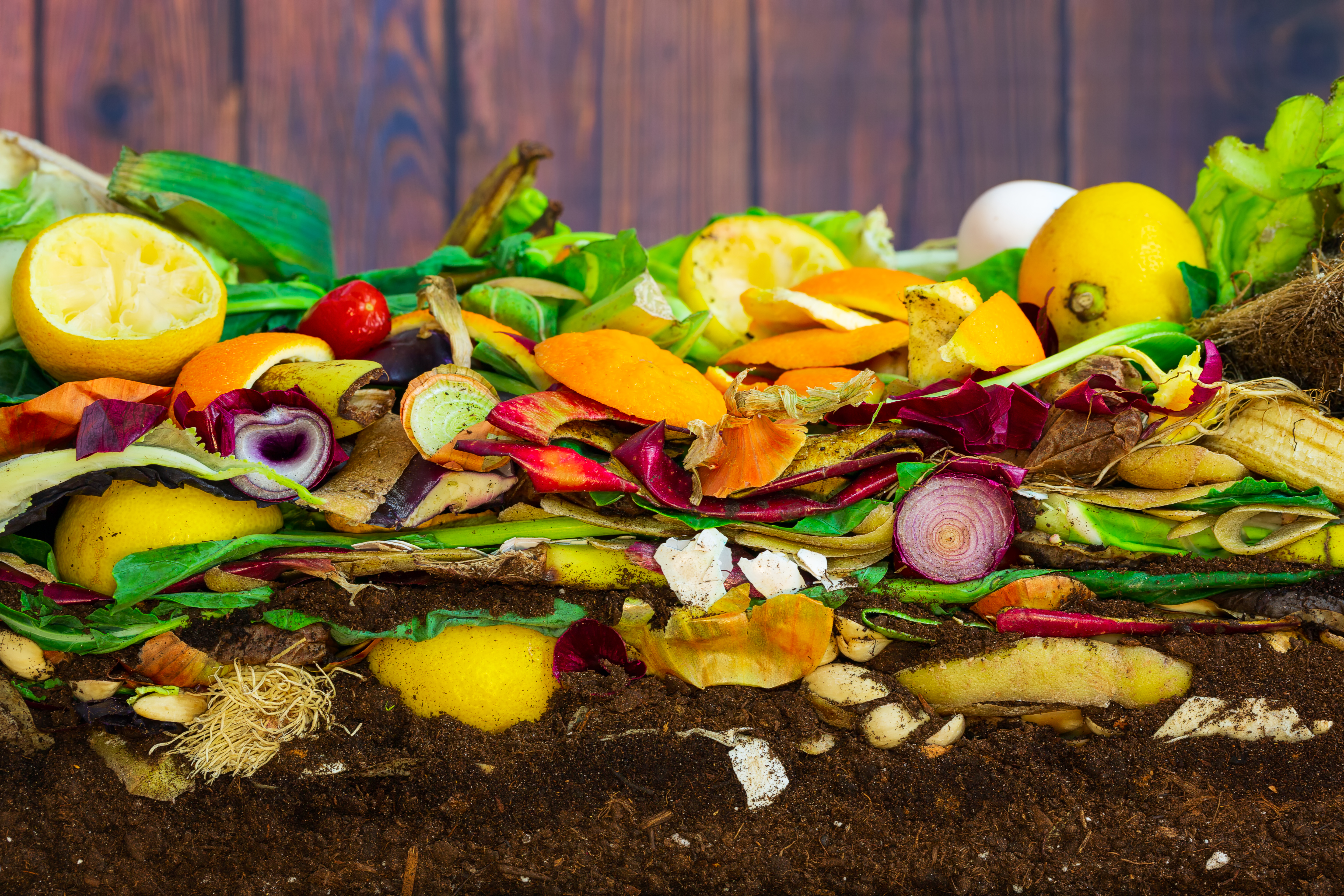
Now that you’re familiar with the basics, let’s dig deeper into what you can compost and how to create the perfect mix. This section will show you how to get the balance just right for optimal composting.
What to Compost and What Not To
Choosing the right materials is key to successful composting. You might be surprised to learn what can and can’t go in your compost bin. Fruit and vegetable peels, coffee grounds, and eggshells are excellent choices. These items break down quickly and feed your compost with nutrients.
On the flip side, avoid putting meat, dairy, and oily foods into your compost. They can attract unwanted guests like pests and take longer to decompose. Having a clear understanding of what to include ensures your compost stays healthy and vibrant. Involve your children in sorting, making it a fun ‘yes or no’ game with scraps. It’s a great way to teach them about recycling and sustainability.
Creating the Perfect Compost Mix
Creating the perfect compost mix is like baking a cake—you need the right ingredients in the right amounts. A good mix has a balance of ‘greens’ and ‘browns.’ Greens are your kitchen scraps, full of nitrogen, and browns are things like dried leaves and paper, which add carbon. The ideal compost mix is about 3 parts brown to 1 part green.
Have your kids help gather fallen leaves or shred newspaper for the brown material. By engaging them, they learn how different materials work together to create something new. If your compost smells bad, it might be too wet—add more browns. If it’s not breaking down, add more greens. The right mix will break down into rich soil faster, a mini-payoff for your patience!
Fun Family Gardening Activities
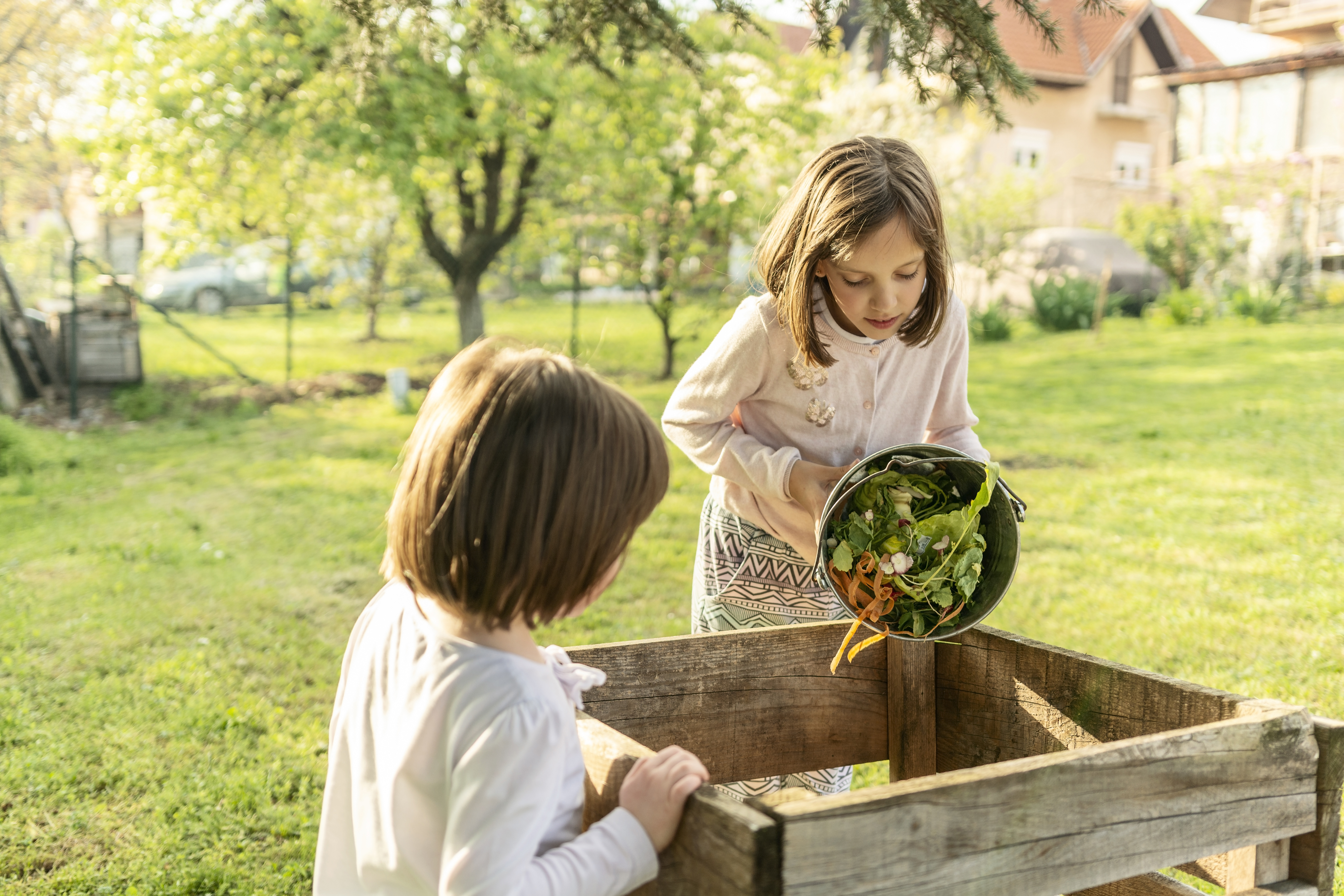
Composting is just the start. Once you’ve got rich compost, it’s time to use it in your garden. Let’s explore some gardening activities that the whole family will enjoy.
Children’s Gardening Ideas
Gardening with kids is not just fun; it’s an educational adventure. Start simple by planting fast-growing seeds like sunflowers or radishes. These are perfect for seeing quick results, keeping children engaged. Give each child a small plot or pot to take care of. They can choose their plants and be responsible for watering them.
Encourage kids to observe how their plants change daily. Ask questions like, “What do you notice today?” or “Why do you think the leaves are turning yellow?” These questions spark curiosity and teach about plant health. Most people think gardening needs a lot of space, but even a windowsill can become a garden! As plants grow, children learn valuable lessons about responsibility and the environment.
Eco-Friendly Crafts and Games 🌱
Bring your garden adventure indoors with crafts and games. Use recycled materials to make plant markers or bird feeders. Old popsicle sticks or plastic spoons can be turned into creative, colourful markers with a bit of paint. Or try making a bird feeder from an empty milk carton. Decorate it together and hang it where everyone can watch the birds enjoy their treats.
For a game, create a compost relay race. Have kids run to sort items into ‘compost’ and ‘not compost’ bins. It’s a fun way to reinforce what they’ve learned. Remember, eco-friendly crafts and games are not only enjoyable but also teach resourcefulness and creativity. By introducing these activities, you show that caring for the planet starts with small, joyful actions.
In conclusion, starting with composting is an enriching journey for the whole family. From setting up your bin and learning what to compost, to transforming scraps into garden gold, every step is filled with discovery. As your compost nourishes your garden, you’ll see the fruits of your labour in vibrant blooms and thriving plants. Encouraging children to participate not only educates them about sustainability but also fosters a love for nature and creativity. Happy composting!
Join Our Club https://www.danthegardener.com/dan-the-gardener-friends-club/