Easy Composting Tips for Families: Turn Kitchen Scraps into Garden Gold!
Forget the idea that composting is tricky or messy! Your family can turn everyday kitchen scraps into garden gold with simple, fun composting tips everyone can enjoy. From banana peels to veggie leftovers, these easy steps help little hands create rich soil that makes plants happy. Ready to start your family composting adventure? Let’s dig in and see how recycling scraps can bring your garden to life!
Family Composting Basics
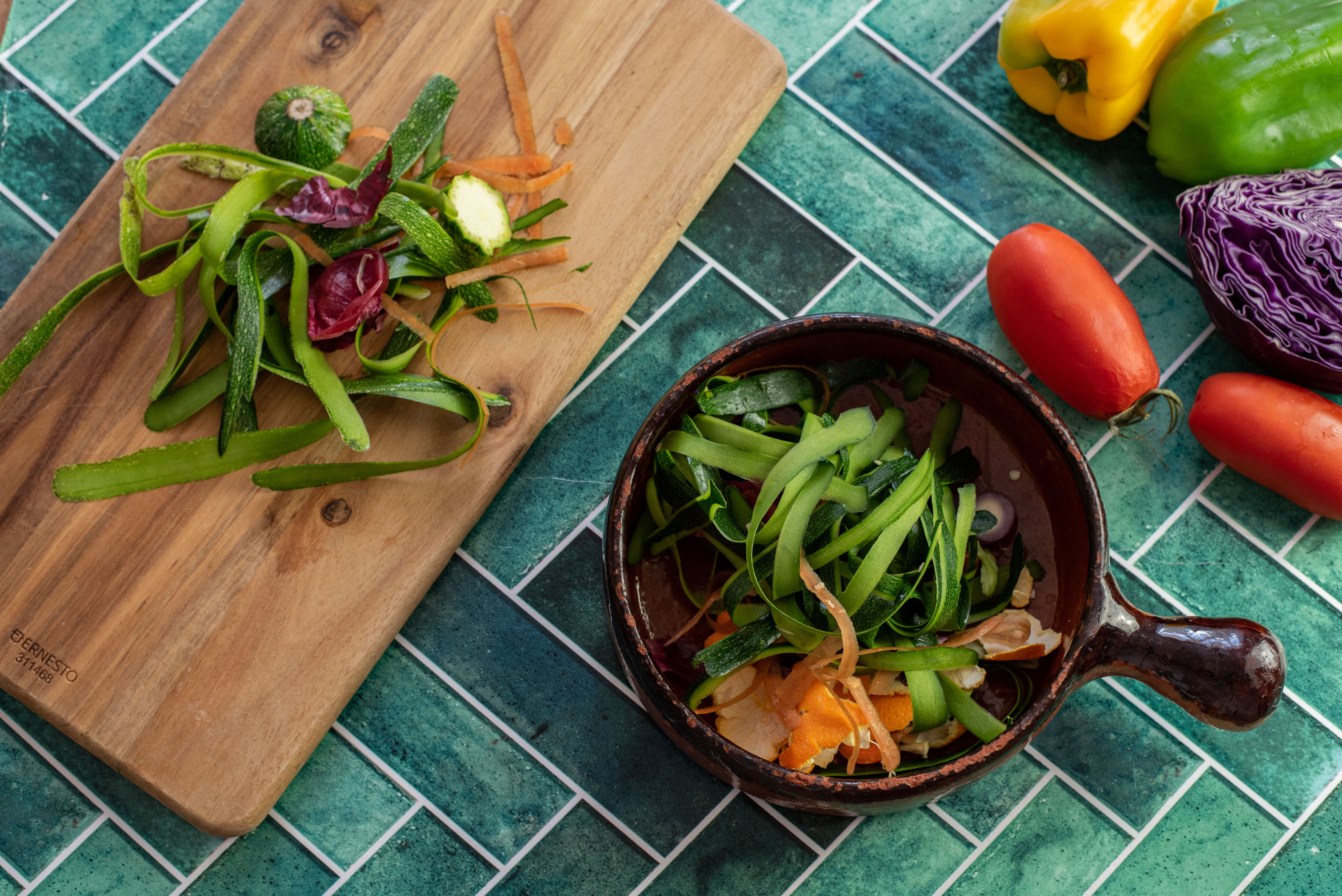
Turning kitchen scraps into soil is simpler than you think. It’s all about knowing what to add and what to avoid. Get ready to see waste transform into something amazing!
Easy Composting Tips
Start with a simple bin. A small container under your sink works wonders. Add items like fruit peels and veggie scraps. They break down quickly and feed the soil.
Avoid meat, dairy, and oily foods in your compost. These can smell bad and attract pests. Stick to plant-based scraps for the best results.
Mix in some “brown” materials like dried leaves or newspaper. This helps balance moisture and adds air. Your compost will stay healthy and break down faster.
Remember, a little patience goes a long way. Soon, you’ll have rich compost ready to help your garden grow!
Kitchen Scraps to Garden Gold
Imagine turning old banana peels into thriving plants. It’s possible with composting! This eco-friendly practice reduces waste and enriches the earth.
Composting is a great way to teach kids about nature. They’ll love seeing scraps disappear and soil appear. Plus, it’s a hands-on science experiment happening right at home!
As your compost matures, sprinkle it around your plants. The nutrients help them grow strong and healthy. Your garden will thank you for the extra boost!
Fun with Recycling and Composting
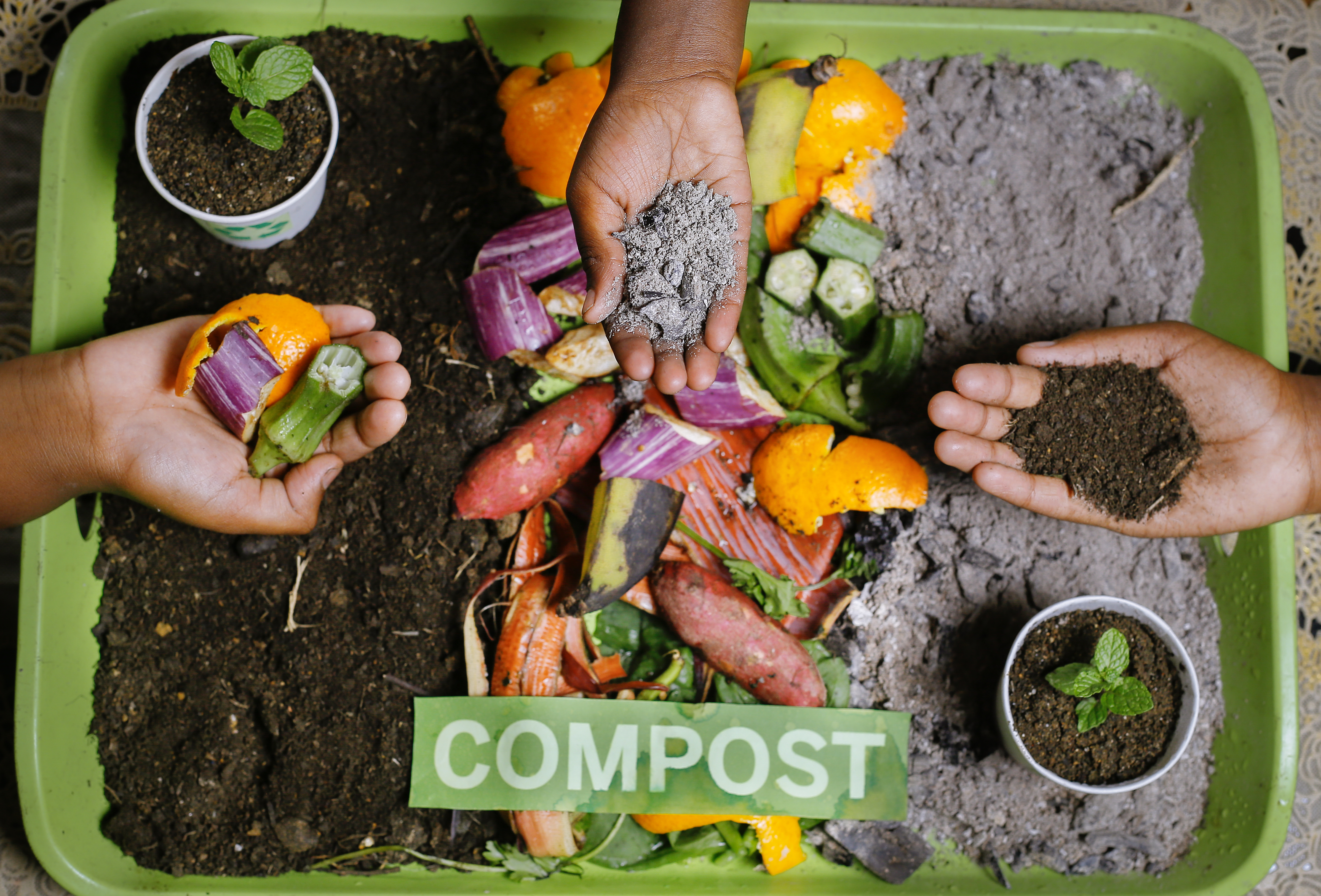
Composting with the family can be a fun adventure. Let’s explore some eco-friendly activities that make learning about recycling exciting!
Eco-Friendly Activities for Kids
Kids love getting their hands dirty, and composting is the perfect opportunity. Start a worm farm in a small box. Worms eat kitchen scraps and produce rich compost. Kids can watch them work and learn how nature recycles.
Create a recycling challenge. Let kids find items around the house that can be composted or recycled. It’s a fun way to see how much waste can be reduced.
Encourage creativity by using recycled materials for crafts. Things like egg cartons and toilet paper rolls can turn into art projects. It’s a great way to teach that recycling can be both fun and beneficial for the planet.
Environmental Education at Home
Learning about the environment starts at home. Use everyday moments to teach your kids about nature and conservation.
Read books about composting and recycling. Stories with fun characters can captivate kids and make learning enjoyable.
Take a walk in the garden and talk about the plants. Explain how compost helps them grow. This connection to nature fosters curiosity and responsibility.
By integrating these lessons into daily life, you’re nurturing a love for the environment that will grow with them.
Sustainable Practices for Families
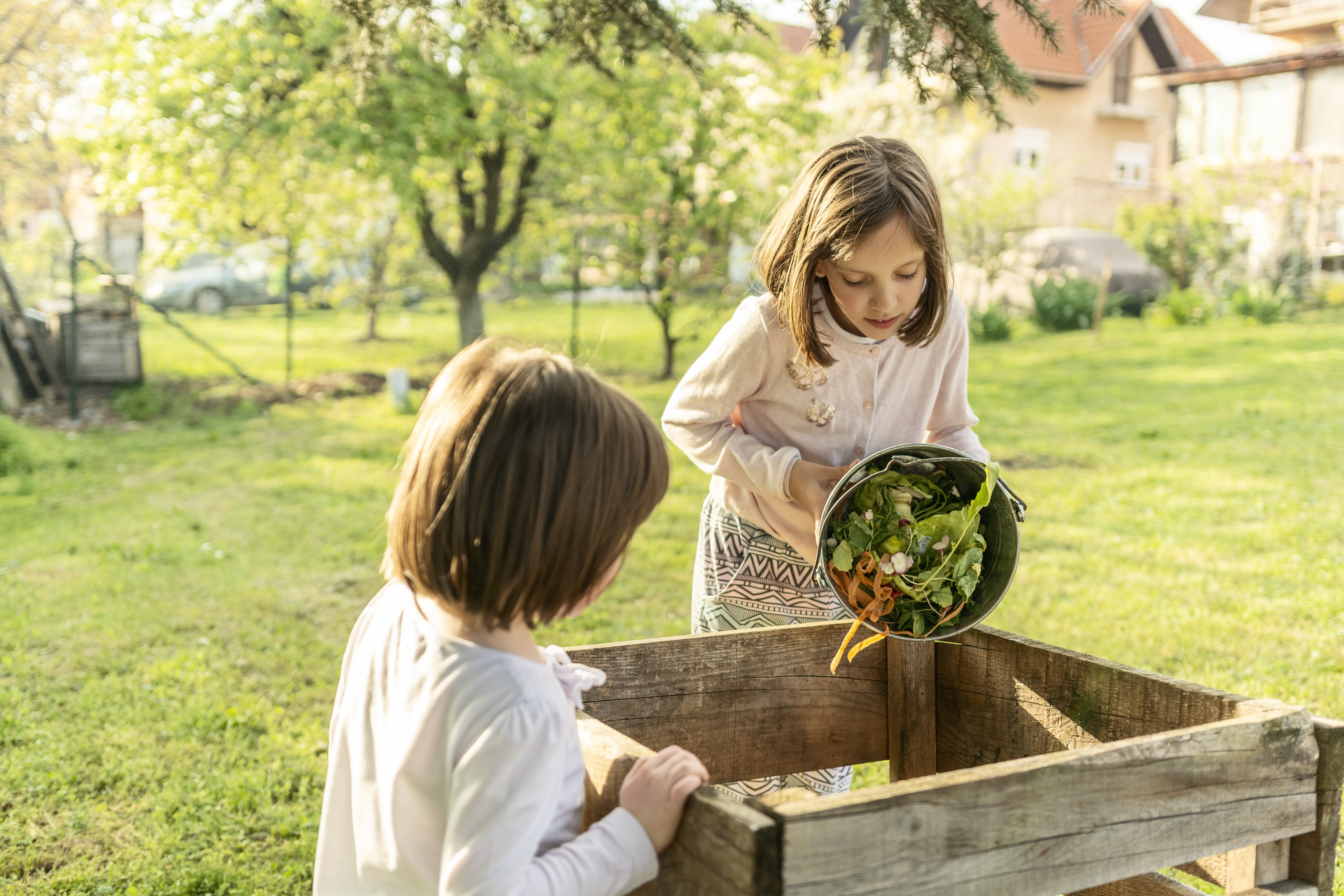
Creating a sustainable home doesn’t need to be complicated. It’s about making small, meaningful changes together as a family.
Turn Waste into Nutrient-Rich Soil
Think of your kitchen scraps as future plant food. Composting turns waste into something valuable. It’s like magic for your garden!
Start by collecting scraps in a bin. Add them to a larger compost pile and watch nature work. The process takes a little time, but the results are worth it.
Once your compost is ready, use it in your garden. You’ll see plants thriving with the extra nutrients. It’s a rewarding way to reduce waste and support growth.
Encourage Children to Explore Nature 🌱
Nature is the best teacher. Encourage children to explore and learn from the world around them.
Plan a scavenger hunt in your garden. Ask kids to find items like leaves, sticks, or bugs. It’s a fun way to engage their curiosity and get them thinking about ecosystems.
Set up a small garden patch for them to tend. Let them choose what to plant and watch it grow. It’s a powerful lesson in responsibility and care.
Remember, the longer you wait to start, the more you miss out on. Dive into these sustainable practices and watch your family’s love for nature bloom!
Join Our Club https://www.danthegardener.com/dan-the-gardener-friends-club/