Growing Minds: How Gardening Benefits Neurodiverse Children
Gardening for neurodiverse children opens a door to a calm learning environment where nature becomes the best classroom. Imagine a space where creativity blooms and busy minds find peace among the plants and soil. In this blog, you’ll see how gardening offers a nurturing, inclusive education that supports every child’s unique way of growing. Ready to explore how your child can thrive with hands in the earth? Let’s dig in!
Join Dan the Gardener & Friends Club for free today and access our Bumper Activity Pack filled with eco-friendly fun!
Gardening for Neurodiverse Children
Nature as a Calming Classroom
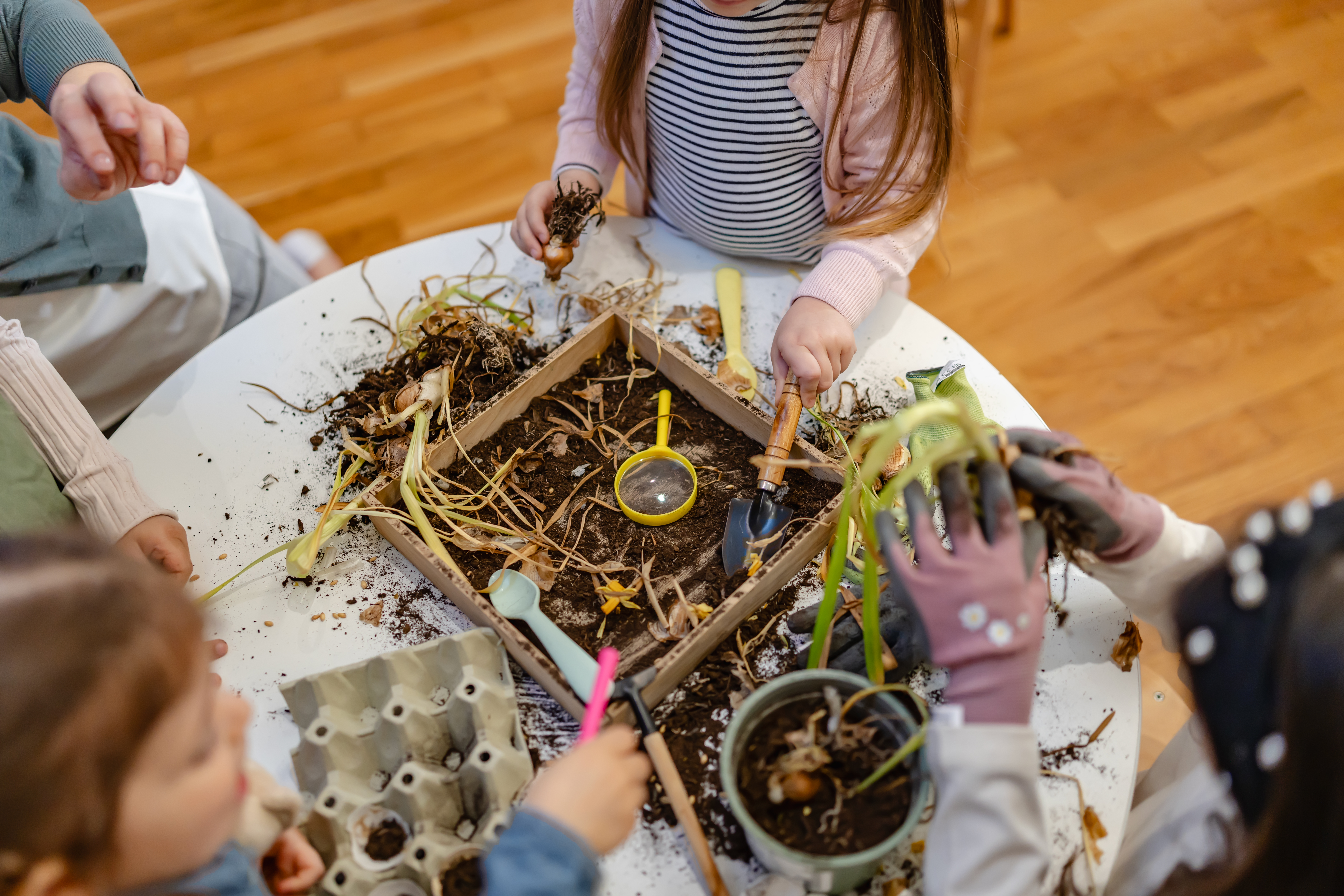
Nature offers a unique space where learning feels like play. Children can explore, touch, and grow without the constraints of a traditional classroom. This freedom to engage with nature at their own pace invites discovery and a sense of calm.
Imagine your child stepping into a garden where the only sounds are the rustling leaves and chirping birds. This environment allows their busy minds to pause and breathe. Neurodiverse children often find solace in the natural rhythm of gardening. The act of planting seeds and watching them grow can be incredibly grounding. It’s a simple yet effective way to introduce mindfulness into their day.
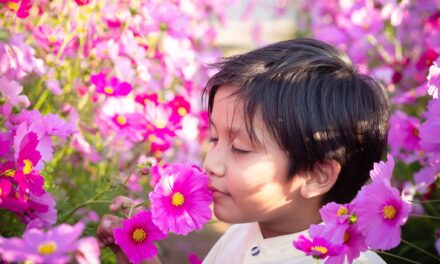
Gardening also encourages sensory exploration. Children can feel the earth between their fingers, smell the fresh scent of blooming flowers, and observe the life cycles of plants. This hands-on approach to learning helps them connect with the world around them in a meaningful way.
Learning Through Planting and Growing
Planting and growing introduce children to a world of possibilities. It’s more than just gardening; it’s a chance to nurture curiosity and responsibility.
When children plant a seed, they embark on a journey of growth and discovery. They learn patience as they wait for the first sprout to appear. This process helps them understand that growth takes time and care. Watching a plant grow from a tiny seed to a flourishing flower teaches them about the cycle of life and the importance of nurturing living things.
Through gardening, children also develop practical skills. They learn how different plants need varying amounts of sunlight and water. This knowledge builds problem-solving abilities as they figure out the best ways to care for their garden. These experiences not only teach responsibility but also boost their confidence as they see the results of their efforts.
Benefits of a Nature Classroom
Creating a Calm Learning Environment
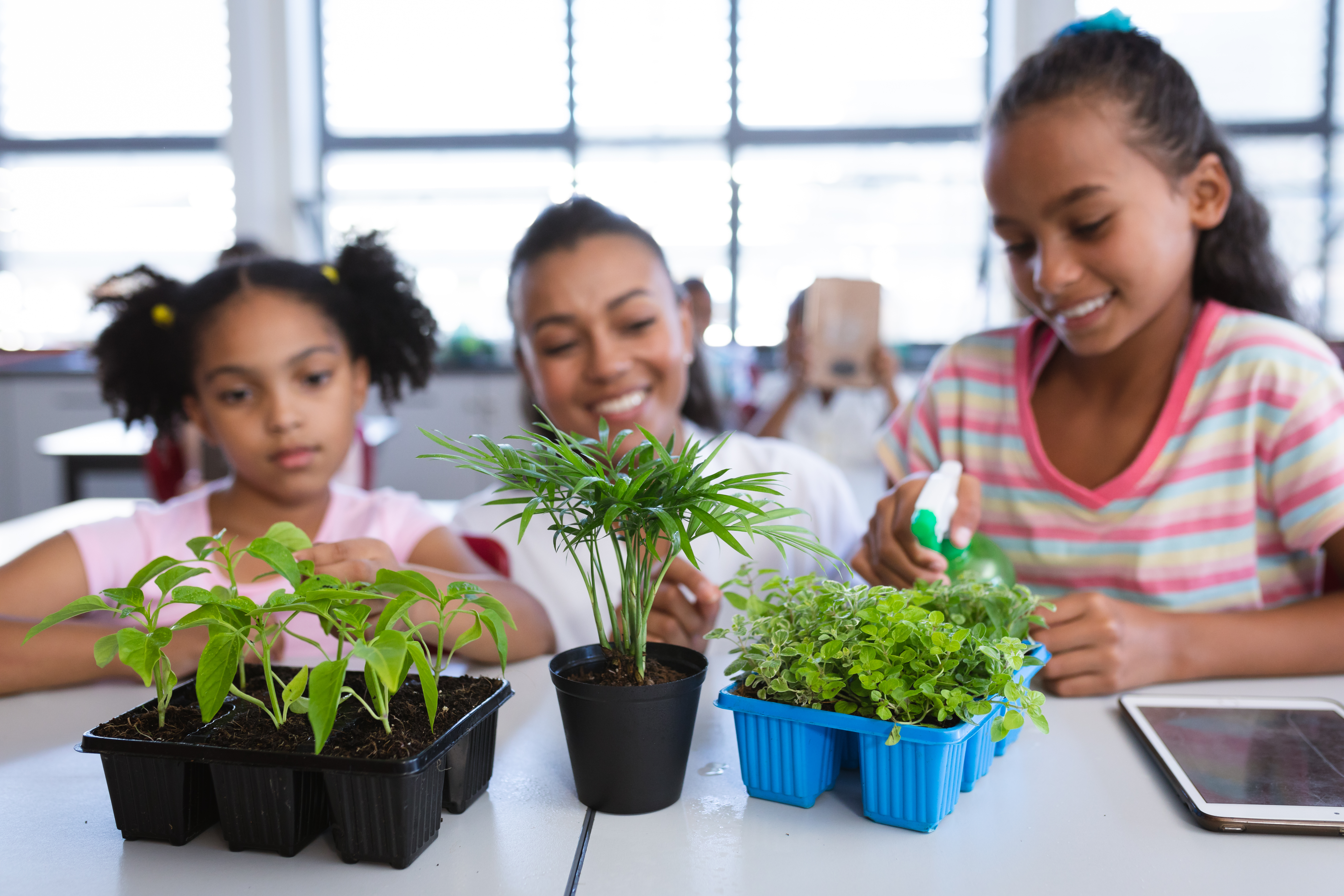
A nature classroom offers more than just fresh air; it provides a space where children can find peace and focus. The outdoors is a perfect setting to learn without pressure.
Gardening creates a calm environment where children can focus on tasks without distractions. The repetitive actions of gardening, like watering plants or pulling weeds, can have a meditative effect. This focus can help neurodiverse children manage their energy and emotions, providing a sense of stability in their day.
Moreover, being outside reduces stress and anxiety. Studies show that spending time in nature lowers cortisol levels, the stress hormone, by up to 16%. This natural calming effect is why many schools are incorporating outdoor learning spaces to help children thrive.
Fostering Creativity and Exploration
Gardening is a playground for the imagination. It encourages children to explore, experiment, and express their creativity.
When children garden, they become little scientists. They can experiment with planting different seeds and observe which ones grow best. This experimentation fosters a sense of curiosity and wonder. It teaches them that making mistakes is part of learning and growing.
Gardening also provides endless opportunities for creativity. Children can design their garden layouts, choose their favourite flowers, or even create themed gardens. This creative freedom allows them to express themselves in ways they might not be able to in a traditional classroom setting.
Eco-Friendly Activities for All
Inclusive Education Through Gardening
Gardening is an inclusive activity that welcomes all children, regardless of their abilities. It’s a universal language of growth and care that everyone can understand.
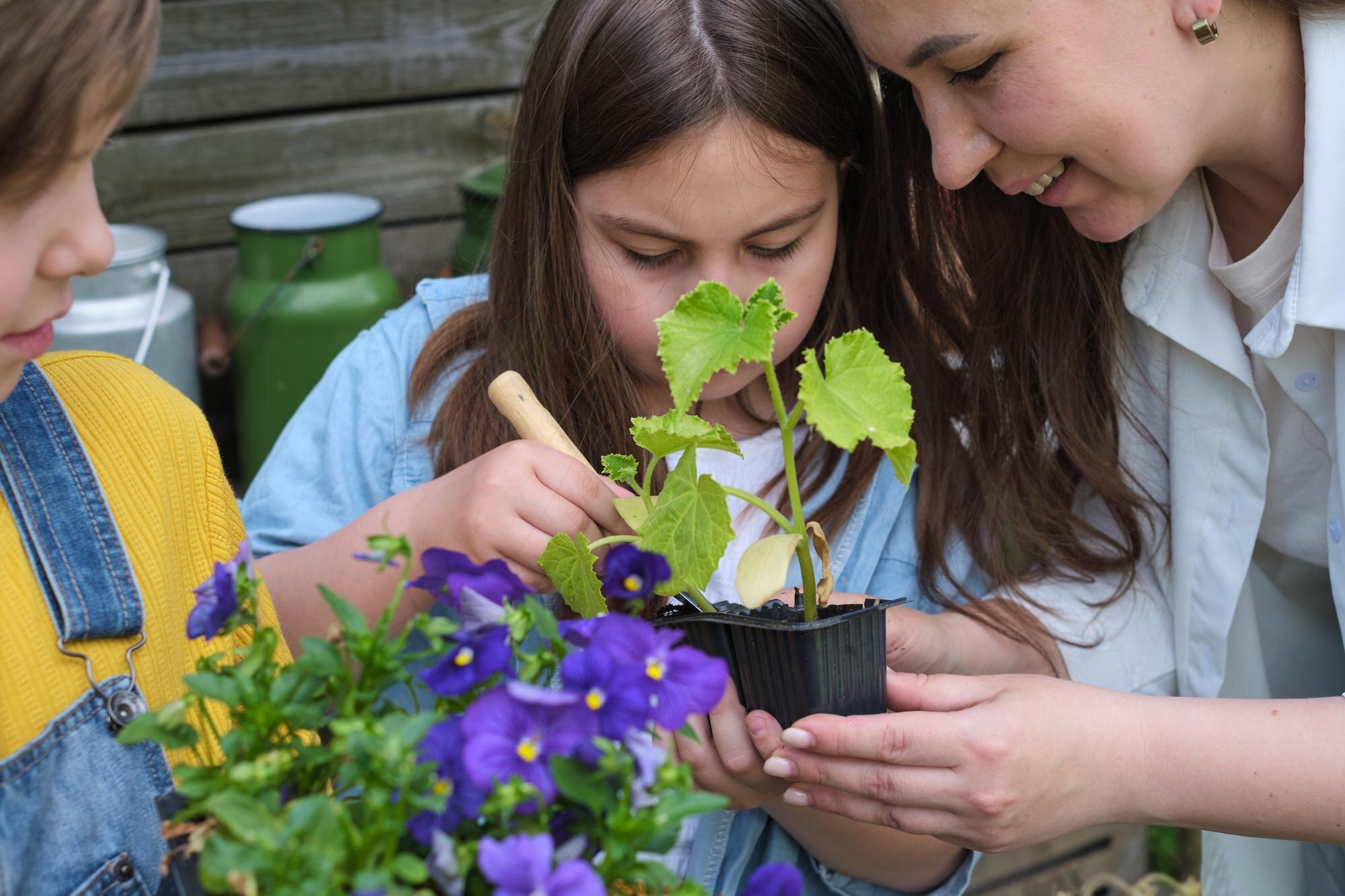
For neurodiverse children, gardening offers a safe space to learn at their own pace. It doesn’t require them to sit still or follow strict rules. Instead, it invites them to engage with their surroundings through all their senses. This approach caters to various learning styles, making it an inclusive educational tool.
Gardening also promotes teamwork and social skills. Children often work together to tend to their plants, encouraging communication and cooperation. These shared experiences foster a sense of belonging and community, crucial for children’s social development.
Join Dan the Gardener & Friends Club 🌻
The longer you wait to introduce your child to the wonders of gardening, the more opportunities you miss to nurture their growth. The Dan the Gardener & Friends Club is here to help you get started.
By joining, you’ll receive a Bumper Activity Pack filled with eco-friendly crafts, games, and recipes that make learning about nature fun. It’s a treasure trove of activities that will keep your child engaged and curious. Not only will they learn about gardening, but they’ll also develop skills that will last a lifetime.
Let’s plant the seeds of curiosity and watch them grow into a lifelong love of learning and nature. Join the club today and let your child’s adventure begin!
Join Our Club https://www.danthegardener.com/dan-the-gardener-friends-club/