How to Create a Sensory Garden Adventure That Engages Every Child’s Senses
Forget everything you know about garden play—this isn’t just planting and watering! Creating a sensory garden adventure that truly engages every child’s senses brings nature to life in ways that inspire curiosity and calm. Whether at home or school, you’ll find simple, inclusive ideas that invite all children—including those who think differently—to explore, learn, and grow with joy. Ready to spark eco-friendly fun through five senses garden activities? Let’s get started!
Creating a Five Senses Garden
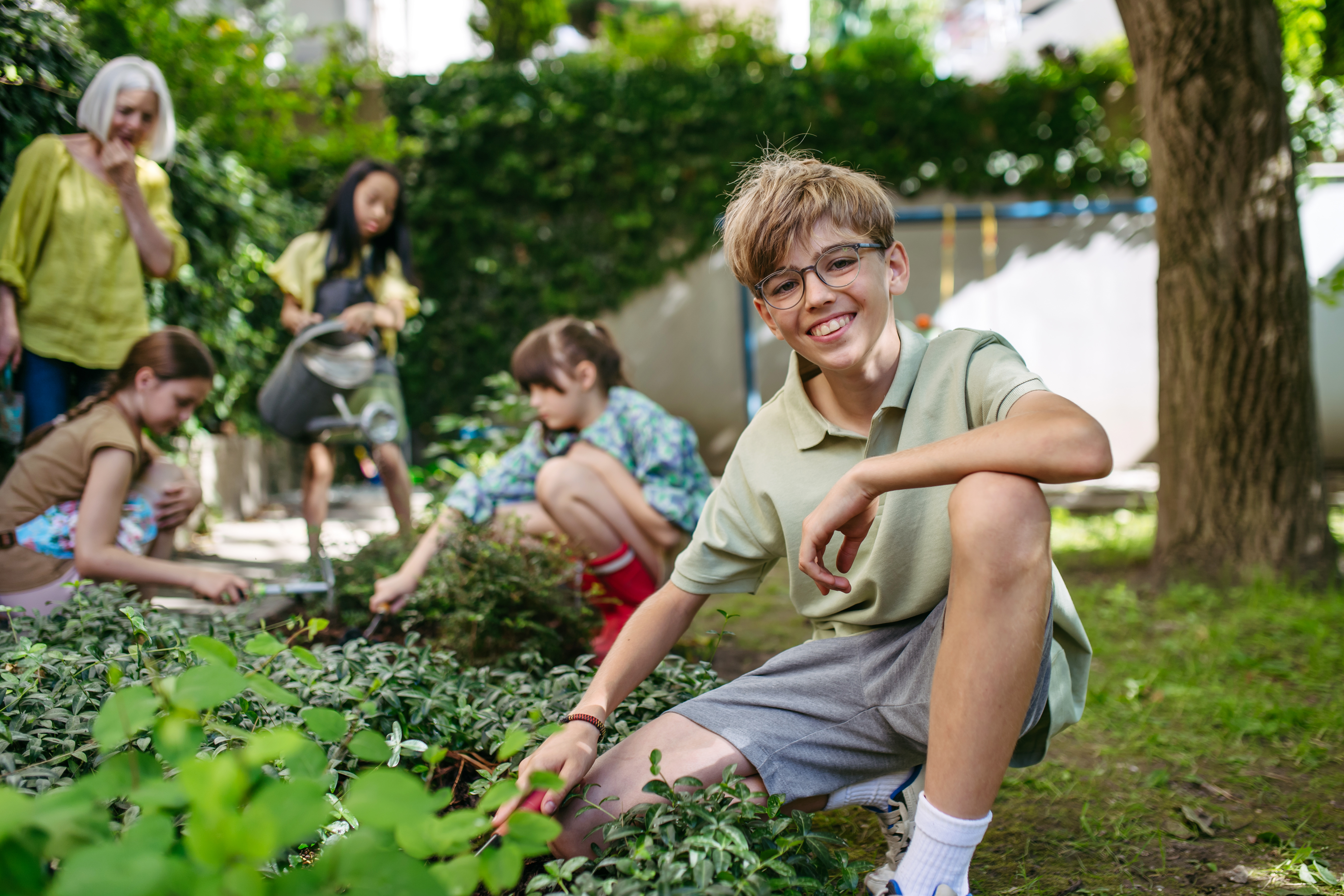
Setting up a sensory garden can open up a whole new world of exploration and learning. This magical space invites kids to connect with nature through their senses, creating memories that last.
Touch, Smell, and Sight Delights
Imagine a garden where every plant invites a touch, a sniff, or a gaze. Lavender and mint for their wonderful scents, lamb’s ear for its soft leaves, and sunflowers for their bright faces. These are just a few examples that can spark joy and curiosity. Encourage children to close their eyes and feel the textures. Is it rough or smooth? Warm or cool? This tactile exploration helps them appreciate diversity in nature. When it comes to smell, ask them what the scents remind them of. A lavender bush might take them to a summer field, or mint might remind them of a cool drink.
Now, for a visual treat, plant flowers in a rainbow of colours. Marigolds, petunias, and pansies are perfect picks. Encourage kids to notice how the colours change throughout the day as the sun moves. The more they see, the more they learn!
Sound and Taste Explorations
Let’s not forget sound and taste! Introduce wind chimes or rustling grasses like bamboo to create a soothing backdrop. Ask kids what they hear. Is it gentle or loud? Rhythmic or random? This exercise tunes their listening skills. As for taste, grow easy edibles like cherry tomatoes or snap peas. Kids can pluck and taste them straight from the plant. Encourage them to describe the flavours—is it sweet, tangy, or crunchy? This direct connection with food fosters a love for healthy eating and an understanding of where food comes from.
Inclusive Adventures for All
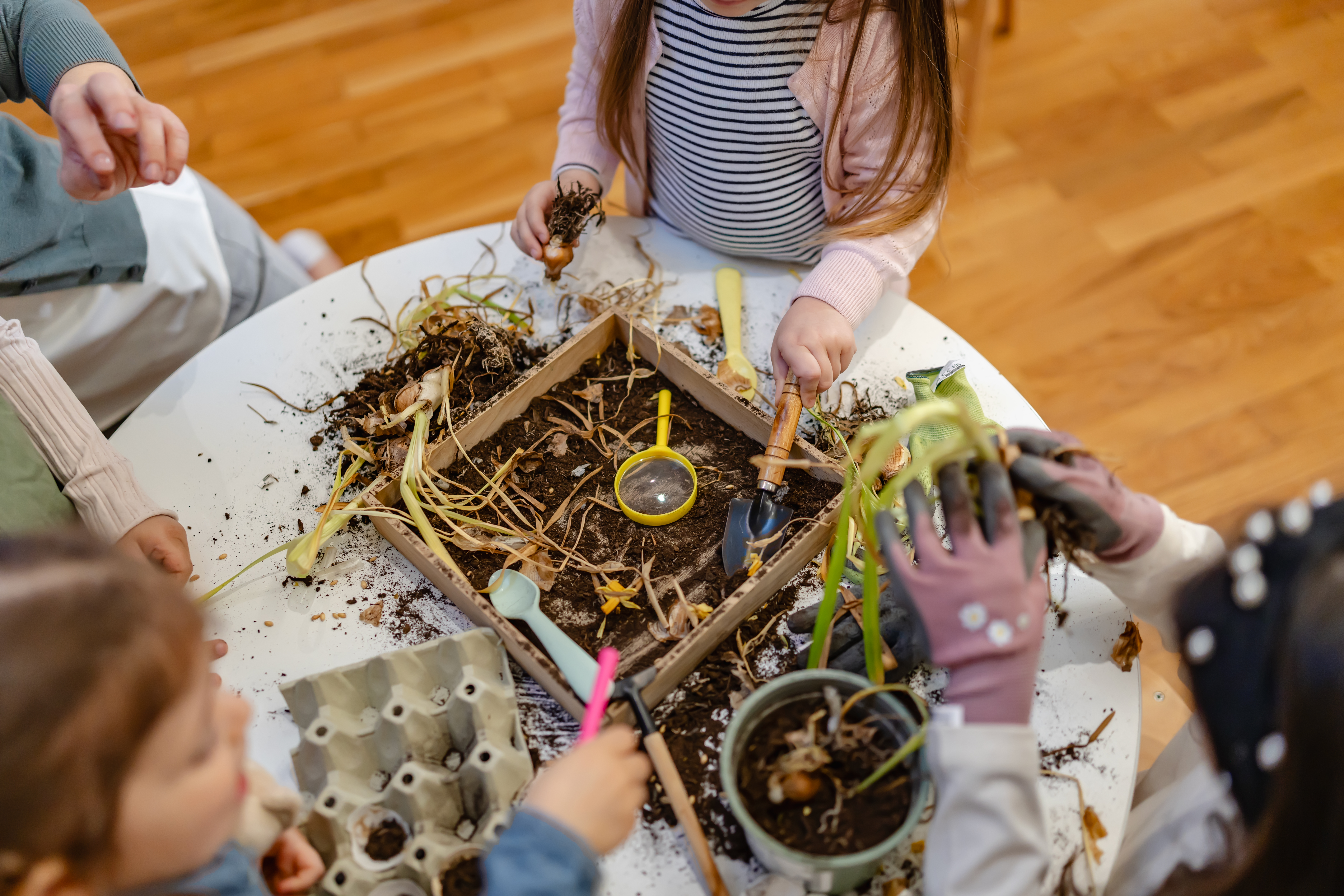
Creating a sensory garden is just the start. It’s important to ensure all children, including those with neurodiverse needs, can enjoy the space.
Neurodiverse Friendly Activities
Neurodiverse children often thrive in environments that cater to their unique learning styles. A garden offers the perfect setting. Consider adding a sensory path made of different materials—like pebbles, wood chips, and sand—that children can walk on barefoot. This path can be a calming activity, helping them focus and feel grounded. Also, include plants that sway gently in the breeze, like cornflowers or cosmos, as the movement can be soothing.
Involve children in simple tasks like watering plants or planting seeds. These activities offer a sense of accomplishment and help develop motor skills. A shared task, like building a bug hotel, creates opportunities for teamwork and learning about insects that live in the garden.
Mindful Nature Play Ideas
Mindful play in the garden teaches kids to be present and appreciate the world around them. A simple activity is a nature treasure hunt, where children look for items like a smooth stone, a yellow flower, or a fallen leaf. This encourages observational skills and patience.
Introduce a quiet corner with a bench, where children can sit and listen to birds or watch clouds float by. You can guide them through a gentle breathing exercise, asking them to match their breaths with the swaying of the plants. These moments of calm help kids find peace and focus amidst their busy days.
Eco-Friendly and Educational Fun
The garden is a classroom with endless lessons about nature, sustainability, and creativity.
Recycled Garden Crafts for Kids
Teaching children about recycling can be fun and engaging. Start with a DIY bird feeder using a plastic bottle or a planter from an old boot. These crafts show how items we might throw away can find a new purpose. Encourage kids to decorate their creations with paints or stickers, sparking their creativity.
Another great project is a composting corner. Show kids how kitchen scraps can turn into rich soil over time. Explain the Three Rs—Reuse, Reduce, Recycle—and how they help our planet. This hands-on experience makes the concept of recycling tangible and meaningful.
Pollinator Friendly Planting 🌼
Finally, let’s talk about our buzzing friends—the pollinators. Planting flowers like lavender, buddleia, and marigolds attracts bees and butterflies. Teach kids how these creatures help our gardens grow and why they need our help.
A simple project is making a mini bee bath. Use a shallow dish filled with water and add pebbles for the bees to rest on. This teaches empathy and responsibility for other living things. In doing so, children learn the importance of every creature in the garden and how they can contribute to a healthier planet.
This sensory garden adventure isn’t just about the plants—it’s about the connections we create with nature and each other. Whether you’re a parent or a teacher, these activities can bring joy, learning, and a bit of magic to every child’s day. So, get your hands in the soil, your ears to the wind, and let your garden adventure begin!
Join Our Club https://www.danthegardener.com/dan-the-gardener-friends-club/