Little Green Fingers: How to Start a Children’s Garden at Home — Step-by-Step Seed Guide
Starting a children’s garden at home is easier than you think! With simple steps, you and your little ones can watch tiny seeds turn into green wonders. This guide shows you how to plant seeds with children, creating a joyful space where kids gardening at home becomes a fun, hands-on adventure. Ready to nurture curiosity, grow confidence, and enjoy nature together? Let’s get those little green fingers busy!
Setting Up Your Children’s Garden
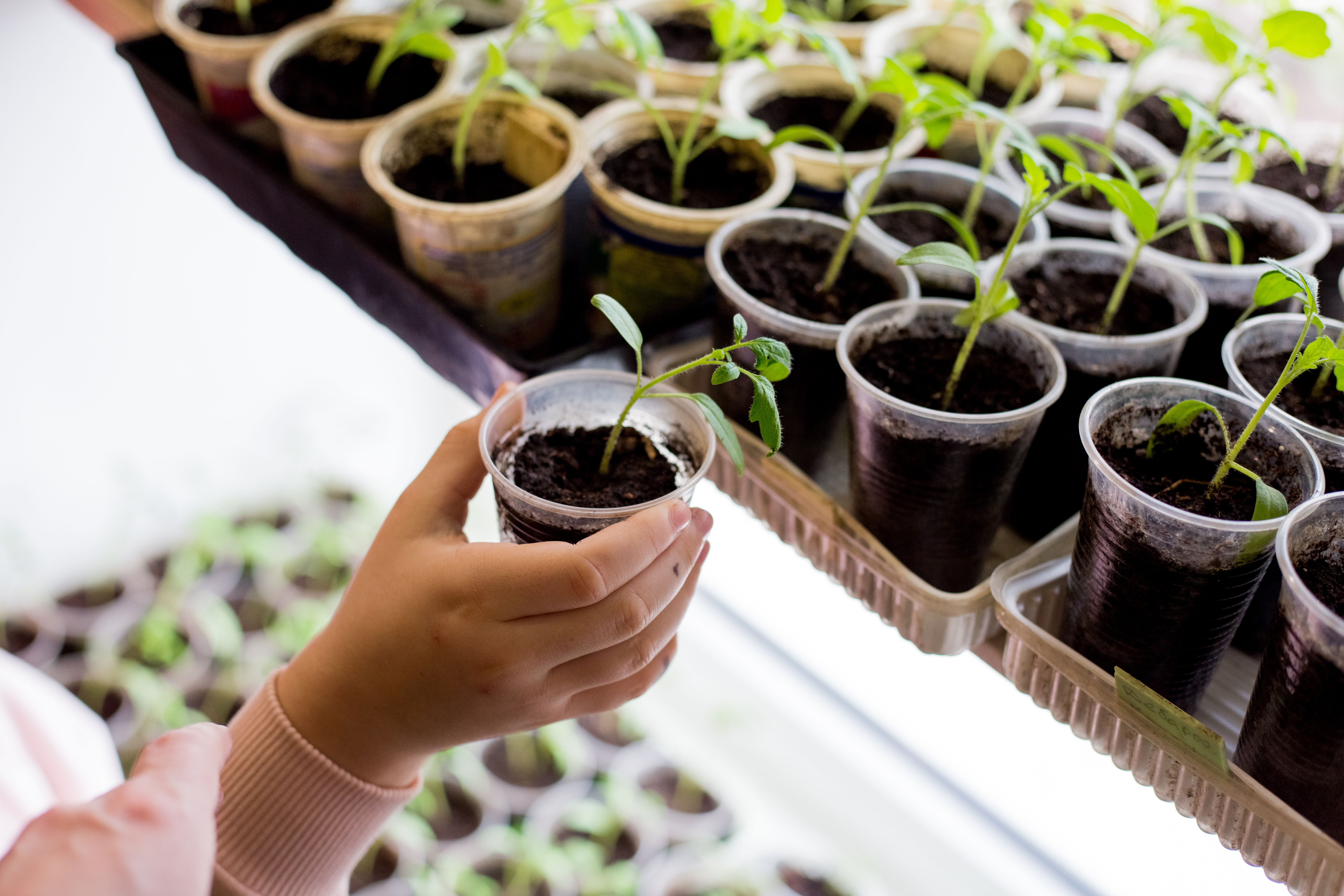
Creating a special garden spot is the first step to an amazing adventure. Let’s dig into choosing the right place and gathering what you need.
Choosing the Perfect Spot
Start by finding a sunny spot. The magic of a garden begins with the right light. Check your backyard or balcony and see where the sun smiles the longest. Kids love helping with this mission! Together, you can observe how the sunlight moves, making it a fun detective game. Remember, sunlight is the food plants need most.
Gathering Your Gardening Gear
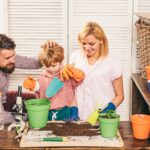
Now, let’s talk about tools. You don’t need a full shed of equipment. A small spade, a watering can, and some gloves are a great start. You can even involve the kids in personalising their tools with stickers or paint. This makes the tools feel special, encouraging them to take pride in their gardening tasks. Keeping it simple ensures they focus on the fun part—planting!
Fun with Recycled Pots
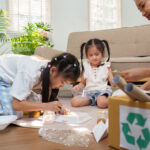
Why buy new when you can recycle? Look around for old containers, yoghurt pots, or tin cans. These make perfect plant homes! Let the kids decorate them with paint or stickers. This is not just eco-friendly but also a creative outlet. By using recycled items, you teach them the importance of reusing and reducing waste.
Planting Seeds Together
Once your garden is ready, it’s time to plant some seeds. This section walks you through the steps, ensuring it’s as easy as pie.
Seed Planting Step by Step
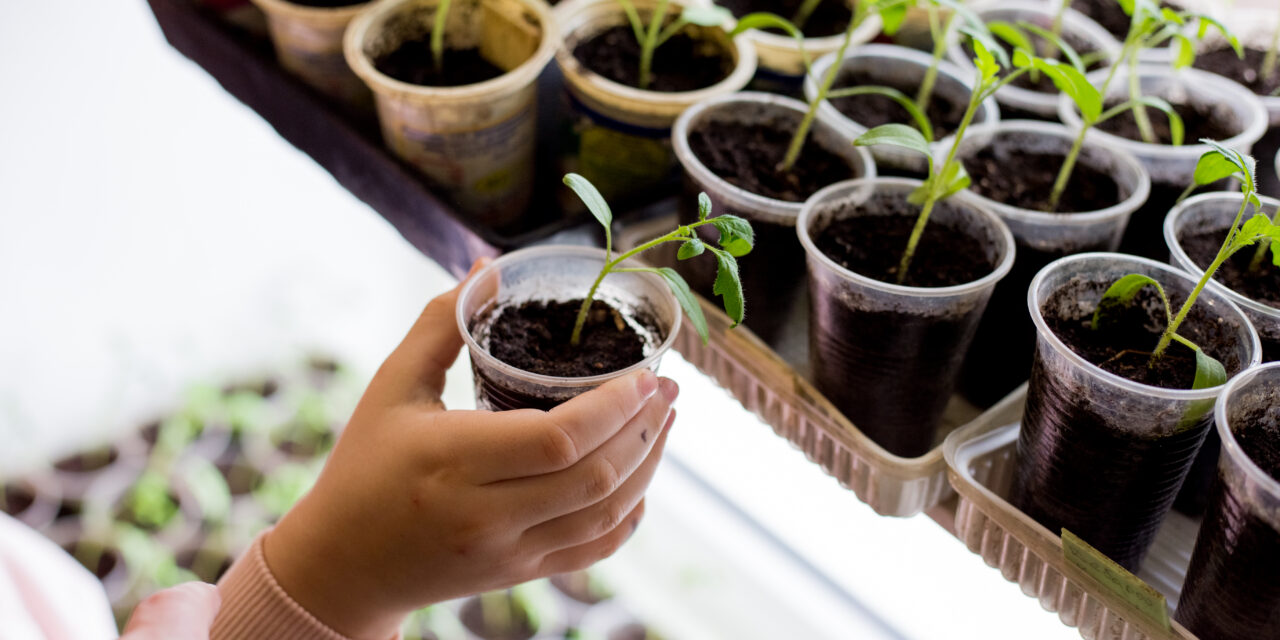
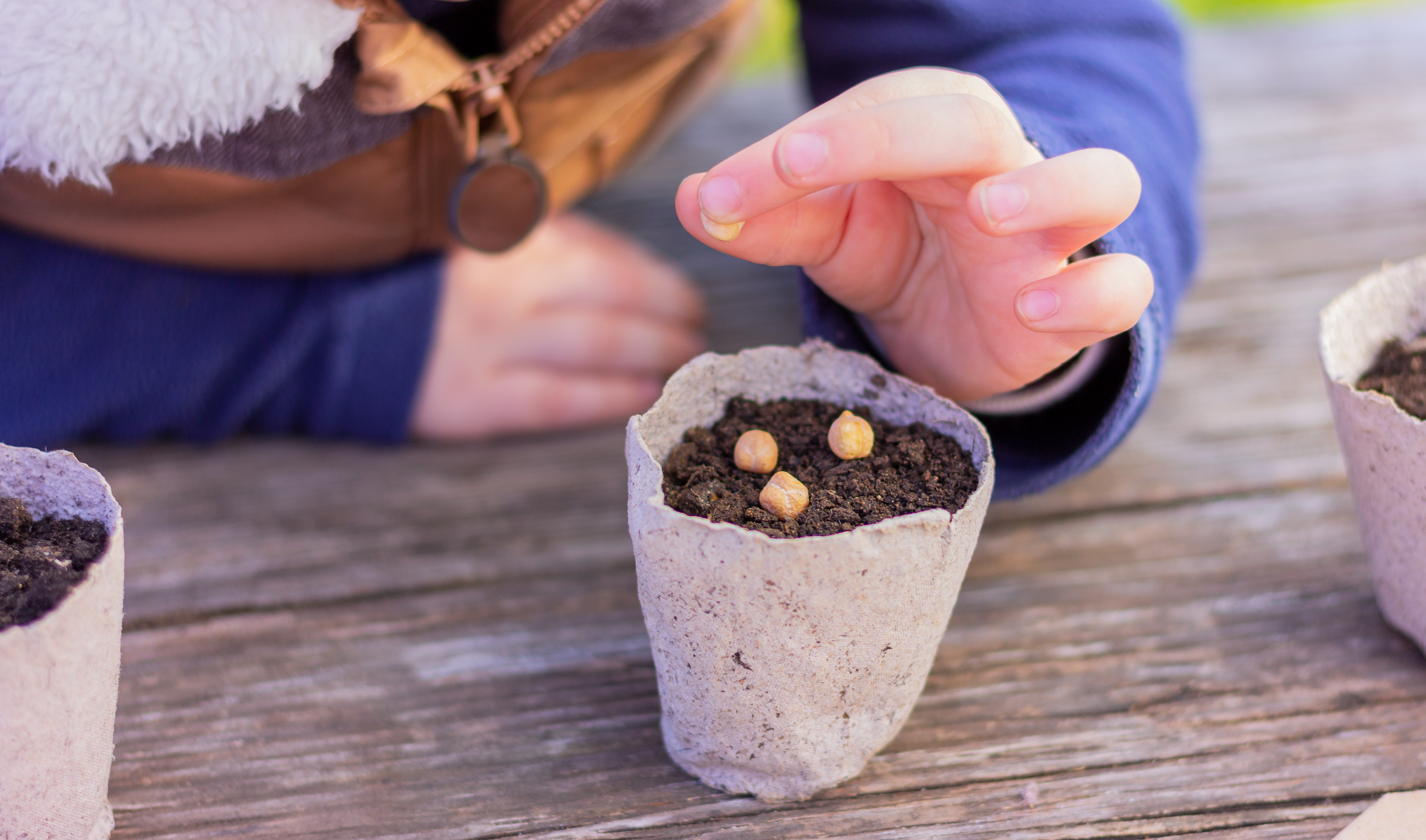
Planting seeds is like starting a new story. Begin by choosing what to grow—cress, sunflowers, or herbs are great for beginners. First, fill your pots with soil, leaving a little space at the top. Show your child how to make small holes for the seeds. Next, let them sprinkle in the seeds, covering them lightly with soil. Finally, a gentle watering brings the seeds to life. Remind them that patience is key; seeds take time to grow.
Creating Cress Heads on the Windowsill
Here’s a fun indoor project. Cress grows quickly and can be planted in egg shells or small pots. Draw funny faces on the containers, and as the cress grows, it’ll look like hair! Place them on a sunny windowsill and watch them sprout within days. This project keeps kids engaged and teaches them about fast-growing plants.
Sunflower Growing with Kids
Sunflowers are the giants of the plant world and perfect for outdoor fun. Let your child dig a small hole in the ground or a large pot. Place the seed inside, cover it gently, and water it well. As the sunflower grows, measure it together—this reinforces learning about growth and change in a tangible way. These towering flowers bring joy and a sense of accomplishment.
Nurturing Budding Gardeners
Once seeds are in the soil, nurturing becomes the focus. This part is about keeping your garden and young gardeners thriving.
Watering Schedule for Seedlings
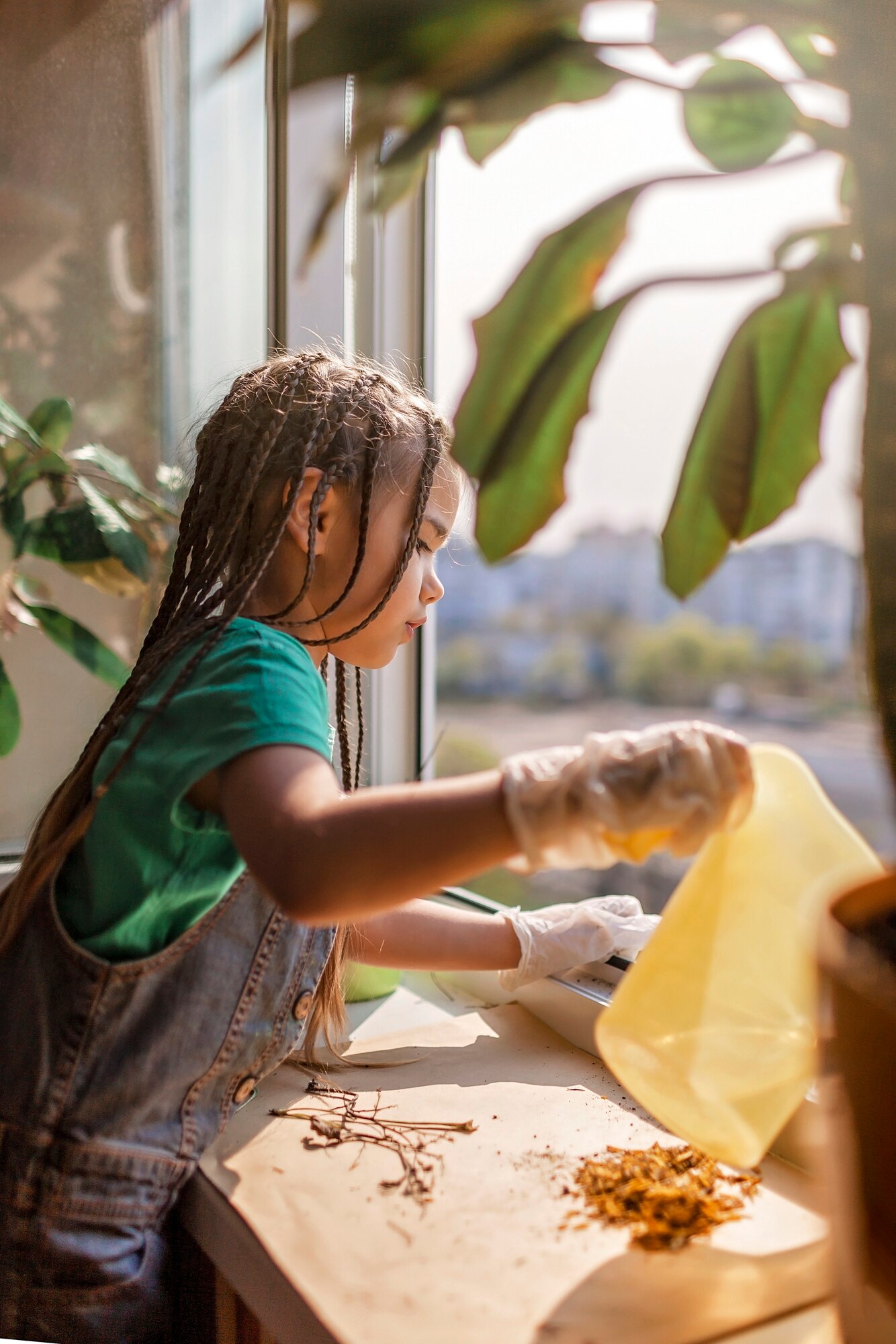
Watering is essential for plant health. Set a simple schedule to check on the seedlings regularly. Early morning or late afternoon is best. Teach kids to water until the soil is moist but not soggy. Using a spray bottle can make this task more manageable for little hands.
Wildlife-Friendly Family Garden
A garden isn’t just for plants; it’s a home for wildlife, too! Encourage small critters by adding a water dish or bird feeder. You can also plant flowers that attract bees and butterflies. This teaches kids about the role of insects in our ecosystem and the importance of biodiversity.
Gardening with ADHD Children
Gardening can be therapeutic, especially for children with ADHD. It provides a structured yet flexible activity. Let them choose tasks that suit their interests—digging, planting, or watering. The repetitive nature of gardening can improve focus and reduce stress, making it a perfect outdoor classroom for neurodiverse children.
🌱🌻👧👦🐶
Gardening together not only greens your space but also grows bonds, confidence, and curiosity. Enjoy this journey with your children where every seed planted is a lesson learned and a memory made.
Join Our Club https://www.danthegardener.com/dan-the-gardener-friends-club/