Tiny Seeds, Calmer Minds: How Gardening Helps Neurodiverse Children Focus and Find Calm
Gardening isn’t just about flowers and soil—it’s a gentle way to help neurodiverse children find calm and focus. When little hands plant tiny seeds, something special happens: busy minds slow down, senses wake up, and joy blooms. Join Dan the Gardener & Friends as we explore how sensory-friendly gardening nurtures calm, creativity, and confidence in every child. Ready to grow happy, focused moments together? Let’s dig in!
Please follow us.
Cultivating Calm through Nature
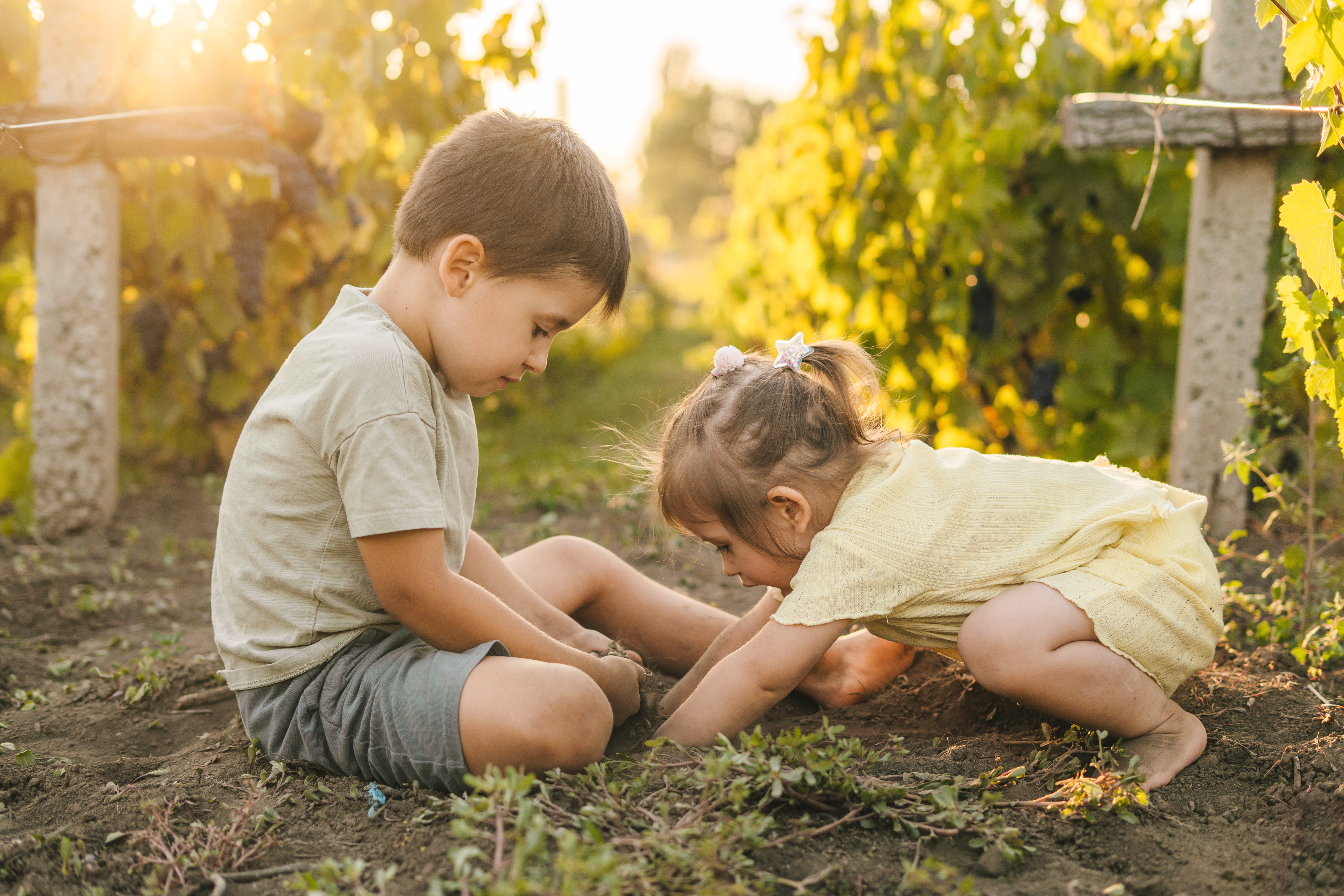
Gardening provides a wonderful escape for children, especially those who are neurodiverse. The act of planting seeds and watching them grow gives kids a sense of accomplishment and peace. This introduction sets the stage for exploring mindful gardening and sensory-friendly activities that enhance focus.
Mindful Gardening for Kids
Gardening with a focus on the senses can transform how your child interacts with the world. Imagine your child gently touching the soft petals of a flower or listening to the rustle of leaves. These small sensory moments boost calmness and concentration. Did you know that over 70% of children who engage in gardening show increased focus?
A simple activity involves creating a sensory path with different textures. Your child can walk barefoot on smooth stones, soft grass, and crunchy leaves. This exercise teaches them to be present in the moment, grounding their thoughts. It’s not just relaxing; it also builds observational skills. Next time, try asking your child to describe the sounds they hear or the scents they notice. You’ll likely be surprised by their observations!
Sensory-Friendly Activities for Focus
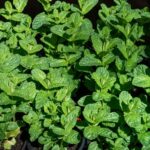
Children often thrive when they’re given the chance to explore with all their senses. Sensory-friendly gardening activities offer this opportunity in abundance. One engaging activity is making a scent garden. Choose plants like lavender and mint that release calming aromas when touched. Let your child plant and tend to these aromatic wonders.
Watching a plant grow from seed to sprout can be a magical experience for a child. Consider starting with quick-growing seeds like cress or radishes. These plants give almost instant gratification, keeping kids interested and engaged. As they care for their plants, children learn patience and responsibility. Plus, they gain a hands-on understanding of nature’s cycles.
Outdoor Learning Adventures
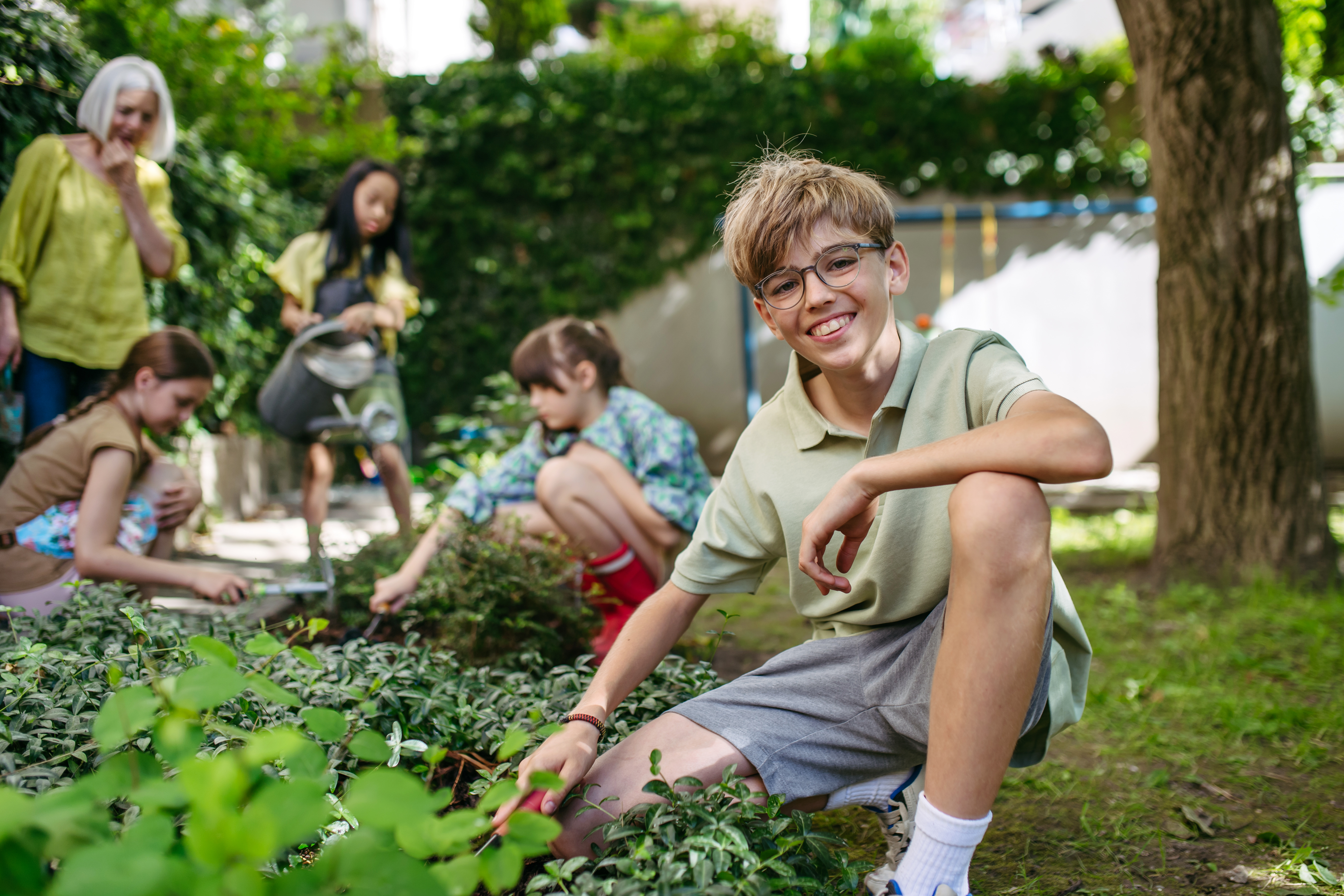
Stepping outside the classroom, nature becomes an exciting space for discovery and learning. Colourful garden activities and science lessons about plants are perfect for young learners. Let’s explore how these outdoor experiences can teach and delight.
Colourful Garden Activities
Garden activities bring the colours of nature to life, sparking joy and learning. Try a rainbow scavenger hunt—ask your child to find natural items in every colour of the rainbow in your garden. This simple game hones their observation skills and teaches them about diversity in nature.
Another fun idea is planting a butterfly garden. Choose bright blooms like marigolds and zinnias, which attract butterflies. Watching these vibrant creatures flutter about is not only exciting but also introduces kids to the role pollinators play in our ecosystem. Encourage your child to keep a butterfly journal to record their sightings and sketches. This activity combines art, science, and a love for nature.
KS1 Science Plants in Action
Nature offers endless opportunities for science exploration, especially for KS1 learners. Dive into the world of plant science by observing how plants grow and change. Start with a simple experiment: place white flowers in a vase with water and food colouring. Watch your child’s amazement as the petals change colour, revealing how plants absorb nutrients.
Encourage your child to measure plant growth weekly. Using a ruler, they can track changes in height and note their observations in a garden diary. This activity integrates maths and science, making learning engaging and practical. By the end of the project, your child will have a deeper understanding of how plants help our planet thrive.
Eco-Friendly Fun for Families
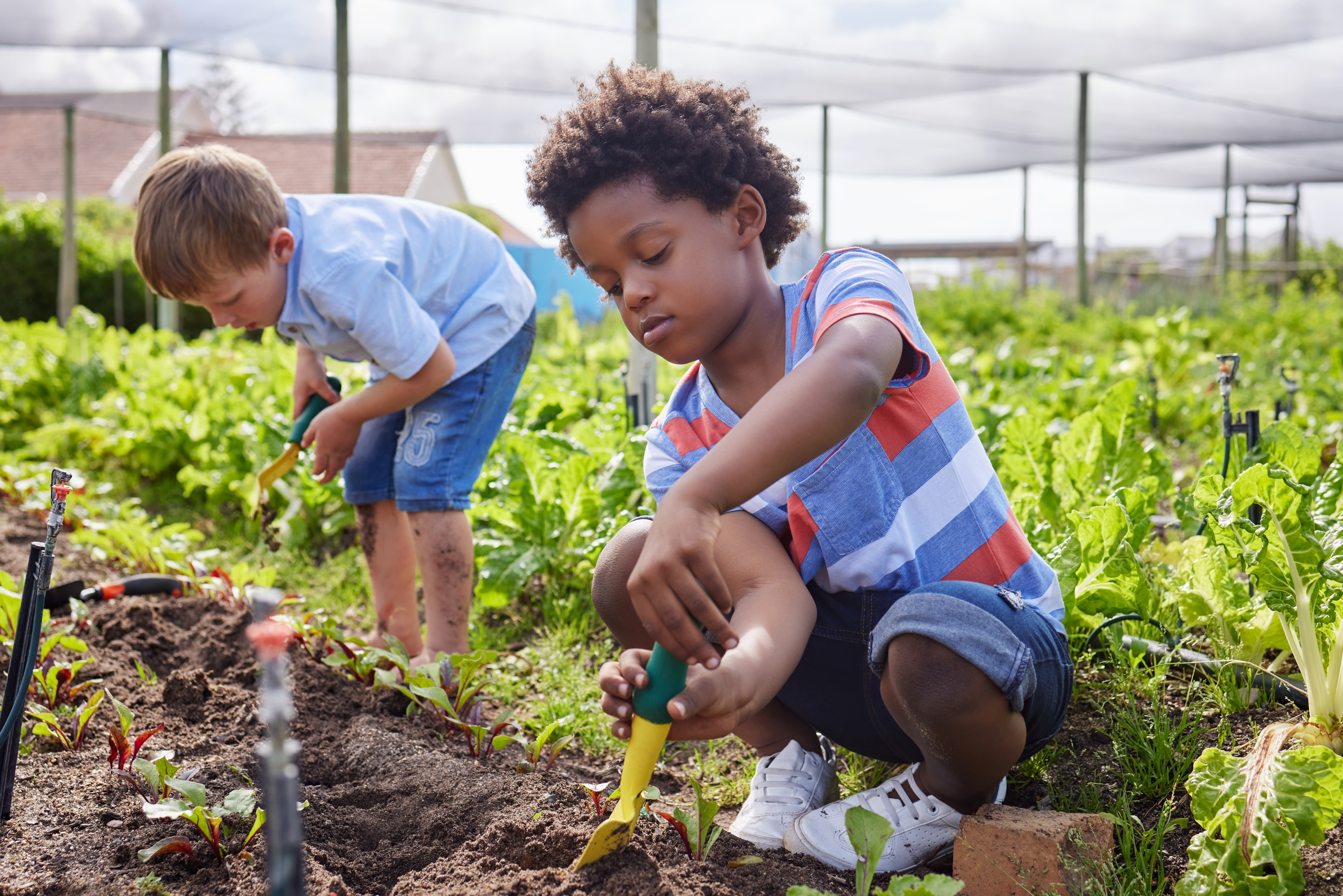
Family gardening fosters not just growth in plants but also in bonds between loved ones. By embracing eco-friendly practices, such as the Three Rs, families can make gardening both fun and sustainable. Let’s explore these concepts together.
The Three Rs: Reuse, Reduce, Recycle
Gardening offers a chance to teach children about sustainability through the Three Rs. Show them how to reuse items like yoghurt pots as seedling starters or how to reduce waste by composting kitchen scraps. Composting is not only beneficial for the garden but also offers a valuable lesson in recycling. Highlight how compost improves soil health and supports plant growth.
Recycling can be a creative adventure, too. Transform old tins into plant pots or plastic bottles into watering cans. Encourage your child to think of other items they can recycle into garden tools or decorations. This practice teaches them that with a little creativity, we can all contribute to a healthier planet.
Join Dan the Gardener and Friends 🌱
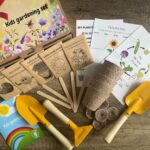
Dan the Gardener & Friends invites you to embark on a joyful gardening journey. By joining our club, you can access a treasure trove of fun and educational activities designed to connect children with nature. These resources, like our free activity pack, are perfect for sparking creativity and learning in young minds.
Gardening is a rewarding way for families to connect with nature and each other. As your child explores the wonders of the garden, they learn invaluable life skills—patience, responsibility, and a love for the environment. So why wait? Grab your gloves, head outside, and start planting seeds of joy and knowledge today! Please follow us.
Join Our Club https://www.danthegardener.com/dan-the-gardener-friends-club/