Nurturing Minds: How Nature-Based Learning Benefits Neurodiverse Children
Nature-based learning isn’t just about playing outside; it’s a wonderful way to help neurodiverse children thrive! When kids explore gardens and green spaces, they tap into creativity, calm, and curiosity in ways that classrooms alone can’t offer. Join Dan the Gardener & Friends as we share joyful, inclusive ways to bring nature into your child’s learning every day. Ready to see how a little dirt can grow big smiles?
Nature-Based Learning Benefits

Imagine your child exploring a garden full of wonders. Nature-based learning gives neurodiverse children the chance to grow in ways that traditional classrooms might not. It’s an opportunity to harness the power of nature and nurture their unique strengths. Let’s see how it can boost creativity and bring calm into their lives.
Boosting Creativity and Curiosity
Have you ever wondered how a simple garden can spark curiosity? When children step into a garden, they enter a world of endless possibilities. They can dig in the soil, observe the buzzing bees, and experience the thrill of finding a hidden caterpillar. These experiences ignite their imagination and fuel creativity.
Take Jake, for example. Living with ADHD, he finds focus and joy in nature’s vibrant classroom. By planting seeds, he learns about growth and patience while watching them sprout into life. His big ideas come to life as he discovers how plants grow and change.
-
Insight: Nature-based learning encourages children like Jake to see the world differently.
-
Actionable Tip: Encourage your child to start a small garden project and watch their imagination bloom.
Mindful Calm in Green Spaces
Green spaces offer a natural calm that many children, especially neurodiverse ones, need. The gentle rustling of leaves and the soft chirping of birds create a peaceful environment. Here, children can be themselves, free from the usual classroom pressures.
Consider Jasmine, who finds her peace watching raindrops trickle down leaves. In these moments, she learns mindfulness and the value of slowing down. The garden becomes her sanctuary, a place where she can breathe easy and feel at home.
-
Insight: Green spaces help children like Jasmine find their inner calm.
-
Actionable Tip: Create a quiet corner in your garden where your child can sit and listen to nature.
Practical Tips for Parents and Educators

Ready to bring nature into your child’s learning journey? Here are some practical ways to incorporate nature-based learning into everyday life. These tips will help you create a nurturing environment for both parents and educators.
Everyday Nature Activities
Incorporating nature into daily activities can be simple and fun. Start by taking short, daily walks with your child. Notice the changes in the seasons, and talk about the different plants and animals you see. This helps children connect with the world around them.
-
Story Example: One family turned their backyard into a mini-ecosystem. They planted herbs and watched as butterflies and bees visited their garden. Their child learned about pollination and the vital role these creatures play.
-
Actionable Steps:
-
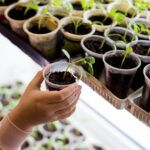
Plant a small herb garden on your windowsill.
-
Take nature walks and collect interesting leaves or rocks.
-
Create a nature journal where your child can draw and write about their discoveries.
-
Creating Inclusive Outdoor Spaces
Not every outdoor space is automatically inclusive. It’s important to create environments where all children can thrive. Think about adding accessible paths or sensory gardens with a variety of textures and scents.
-
Example: Transform a corner of your garden into a sensory haven with plants like lavender for touch and scent or sunflowers for visual appeal.
-
Key Insight: Inclusivity in nature encourages all children to engage and explore comfortably.
Supporting Neurodiverse Children

Nature-based learning isn’t just about plants and insects. It’s about fostering connections and encouraging children to explore eco-friendly practices. Let’s dive into how we can support neurodiverse kids through nature.
Fostering Connection Through Nature
Connection is key. Nature provides a unique platform for children to bond with their environment and others. Activities like group gardening projects can foster teamwork and communication.
-
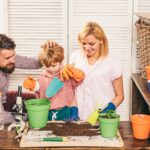
Example: Schools that introduce garden projects report stronger friendships among students. A simple task like planting seeds together builds trust and cooperation.
-
Takeaway: Nature helps children develop social skills by working together on common goals.
Encouraging Eco-Friendly Learning 🌱
Teaching children about sustainability is crucial. When children learn to care for the planet, they build a sense of responsibility and pride. Simple actions like recycling or composting teach valuable lessons.
-
Insight: Recycle Michael, a character from Dan the Gardener & Friends, shows children how to turn old bottles into planters, sparking creativity and environmental awareness.
-
Actionable Tip: Start a compost bin with your child and observe how food waste turns into soil.
Incorporating nature-based learning into your child’s life can open up a world of possibilities. By fostering creativity, encouraging mindfulness, and supporting eco-friendly habits, you help them thrive. Remember, every small step in the garden can lead to big changes in their lives. 🌿
Sign Up for Free Today! 🎉
Ready to take the next step? Join the Dan the Gardener Club and start your journey with us. Discover how small changes can make a big difference in your child’s learning adventure.
Join Our Club https://www.danthegardener.com/dan-the-gardener-friends-club/