Planting Seeds of Change: A Step-by-Step Guide to Creating Your Children’s Garden 🌱
Starting a children’s garden at home can turn curious little hands into nature’s best helpers! Growing your own patch isn’t just about plants, it’s a joyful way to teach sustainability, creativity, and eco-friendly habits that stick. With simple gardening tips and nature-based learning, your family gardening adventure will bloom into something truly special. Ready to plant seeds of change? Let’s get growing!
Choosing the Right Plants

Creating a children’s garden begins with choosing the perfect plants. Exciting options await that can thrive in any home garden.
Easy-to-Grow Favourites
Picking simple plants ensures early success and boosts confidence. Start with sunflowers, radishes, or marigolds. These are quick to sprout, offering instant joy and teaching patience. Sunflowers can grow tall, making them great for measuring growth. Radishes are ready in just a few weeks, giving a fast reward. Marigolds not only add colour but can also deter pests naturally. By selecting these friendly plants, children will engage eagerly in their gardening tasks.
Planting these is as simple as 1, 2, 3. First, prepare your soil, ensuring it’s loose and rich. Next, plant seeds at the right depth, usually a few centimetres. Finally, water gently and place in a sunny spot. As the seeds transform, kids will learn the value of nurturing their garden with love and care. Discover more plant tips.
Seasonal Planting Ideas
Timing is everything when it comes to a flourishing garden. Spring and autumn are perfect for sowing seeds that thrive in cooler weather. Consider peas and lettuce during these seasons. In contrast, summer welcomes heat-loving plants like tomatoes and cucumbers. Children delight in watching changes as each season brings new life to their garden patch.
For winter, focus on indoor gardening. Herbs like basil and mint thrive on windowsills, ensuring year-round greenery. By rotating crops with the seasons, children gain an understanding of nature’s cycles, appreciating the rhythm of growth and harvest. This hands-on experience cultivates patience and anticipation, key qualities for any budding gardener.
Sustainable Gardening Practices
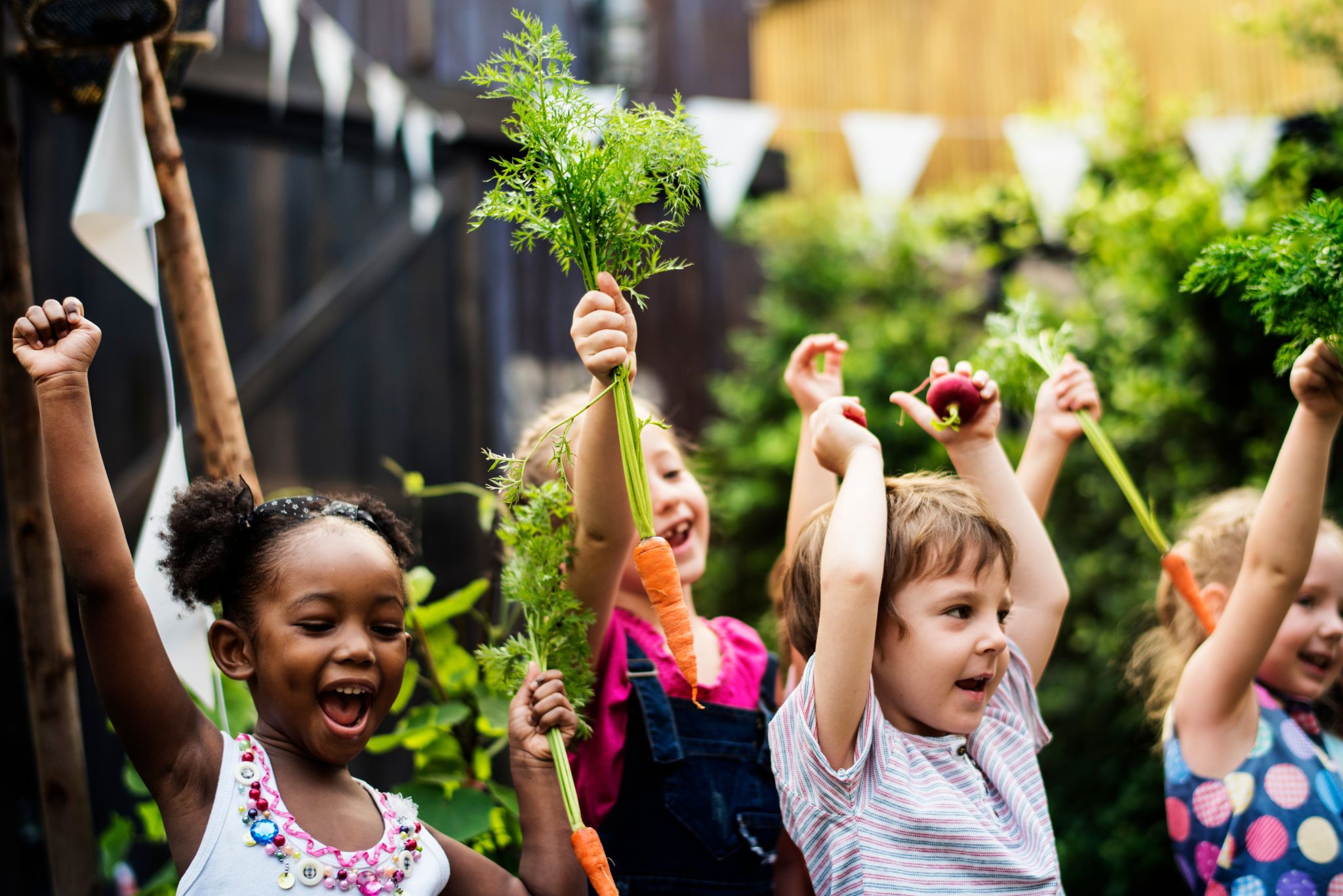
A thriving garden isn’t just about plants; it’s about the methods you use. Teaching kids eco-friendly practices is a gift that keeps on giving.
Eco-Friendly Techniques for Kids
Children can easily grasp sustainable gardening with a few fun tweaks. Encourage watering with saved rainwater or a recycled container. This teaches water conservation and resourcefulness. Introduce them to the magic of mulching. Use leaves or grass clippings to keep soil moist and reduce weeds. It’s like a cosy blanket for your plants!
Another friendly trick is companion planting. Pairing certain plants together can naturally ward off pests and boost growth. For example, planting basil near tomatoes can enhance flavour and deter bugs. These small steps empower children to see the impact of sustainable choices in their green haven. Join our community for more ideas.
Composting with Little Helpers
Composting becomes an exciting adventure with young hands involved. Start by gathering kitchen scraps like fruit peels and veggie bits. Help kids build a simple compost pile in the garden. Layer these scraps with grass clippings or dried leaves, and let nature do the rest. Worms and microbes will be your little helpers, turning waste into rich soil.
Kids will love checking on the compost’s progress, spotting worms, and seeing scraps transform into garden gold. This cycle of decay and renewal teaches them about waste reduction and soil health. It’s a live lesson in recycling and sustainability, nurturing a sense of care for the environment.
Making Gardening Fun and Educational
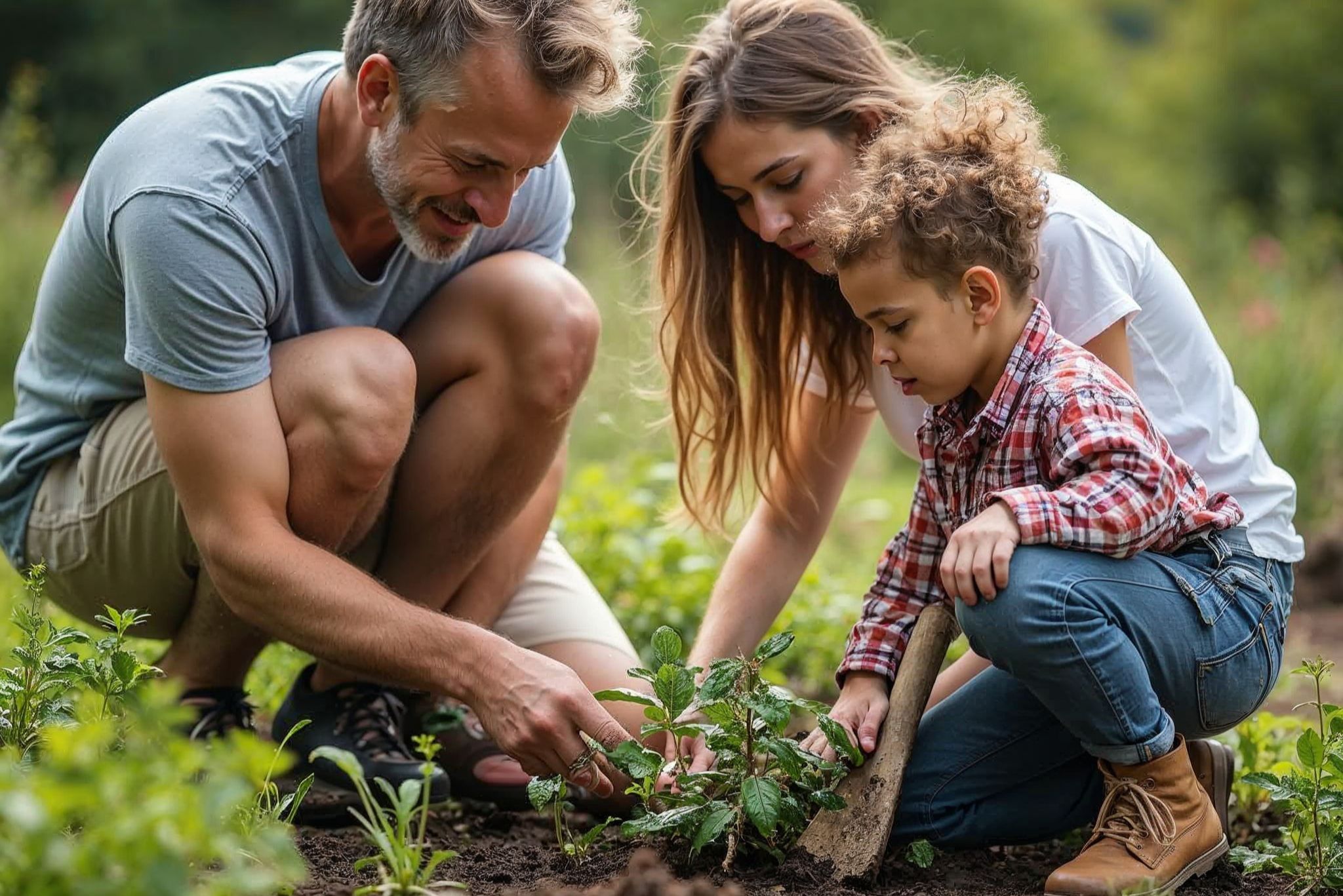
Gardening becomes a playground for creativity and learning when infused with playful projects.
Creative Garden Projects
Transform your garden into a canvas of creativity. Encourage children to design plant markers using painted rocks or recycled materials. These markers add personality and help identify each plant. Create a fairy garden with small plants and charming decorations, sparking imagination and storytelling.
Garden art is another great project. Use old pots and paint them in vibrant colours, or make wind chimes from natural materials. These activities not only beautify the garden but also provide a sense of pride and ownership. They teach that gardens are dynamic spaces for both growth and creativity.
Nature-Based Learning Activities 🌟
Gardens are a classroom under the sky. Turn plant care into a math lesson by measuring plant growth or counting leaves. Discuss the science of photosynthesis and how plants make their food. Use magnifying glasses to explore the mini-worlds in the soil, fostering curiosity and wonder.
Encourage journal writing. Children can document their garden journey, noting plant changes and weather patterns. This enhances observation skills and encourages reflection. By making learning hands-on and sensory-rich, children connect deeply with nature, sparking a lifelong love for the environment.
By planting seeds of change, you’re not only growing a garden but nurturing young minds to value sustainability and creativity. Let’s get growing, and please follow us for more eco-adventures! 🌱
🌿 Ready to keep the adventure going?
Join the Dan the Gardener & Friends Club for free today and get instant access to our Bumper Activity Pack, filled with eco-friendly crafts, games and recipes that make learning about nature fun.
💚 Click Here to Join the Club — It’s Free!