Start a Children’s Garden at Home: Easy Steps for Families to Grow Together
Starting a children’s garden at home can spark joy and curiosity for the whole family. With simple children’s garden ideas UK, you can create a colourful space where little hands learn about plants, pollinators, and the magic of nature. From recycled planters to sensory garden for kids, these easy steps make gardening with children fun and friendly for every learner. Let’s get planting and watch your family grow together!
Choosing Your Garden Spot
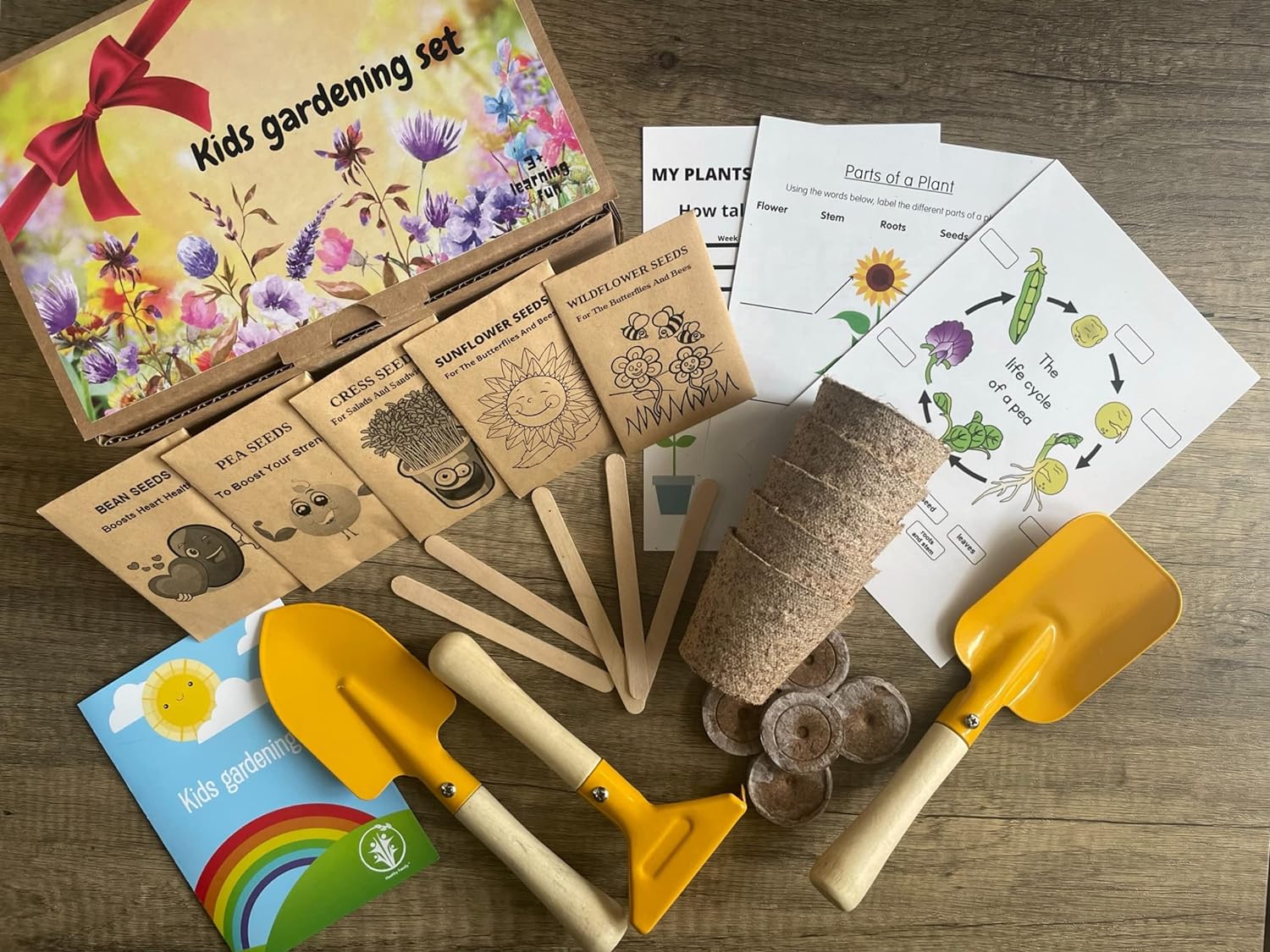
The first step in your gardening adventure is finding the perfect spot. This ensures your garden thrives and becomes a joyful space for learning and play.
Perfect Places for Little Spaces
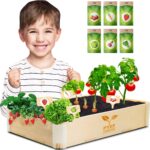
Small gardens can be just as exciting and rewarding. Look around your home for a sunny balcony, a cosy patio, or even a corner of your backyard. Each of these can be turned into a magical garden. A windowsill herb garden can be a great start if space is limited. You can grow tasty herbs like basil and mint. They’re easy for little fingers to plant and watch grow. For those with a bit more room, try planting in small raised beds. They’re perfect for kids to reach and explore. Most people think you need a large yard, but even a tiny space can blossom with creativity and care.
Sunlight and Soil Essentials
Sunlight is like magic for plants, helping them grow strong and healthy. Find a place that gets at least six hours of sunlight a day. To test your soil, dig a little and see if it’s loose and crumbly. If it’s too compact, mix in some compost to make it richer and more plant-friendly. Composting for kids is a fun way to learn about recycling and soil health. Encourage your children to get involved by collecting kitchen scraps for your compost. This not only enriches the soil but also teaches valuable eco-friendly habits.
Getting Started with Seeds
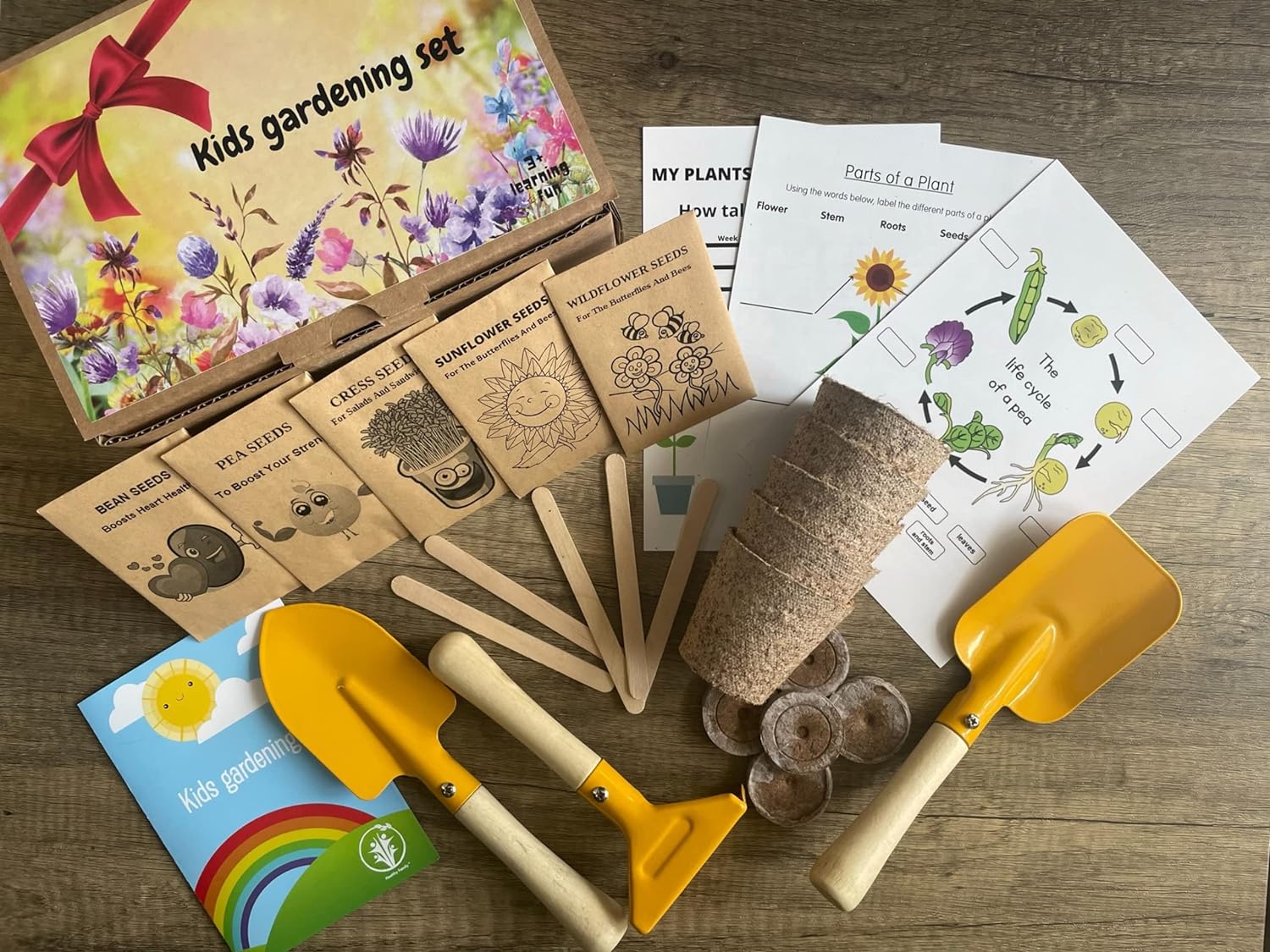
Starting with seeds is a simple and exciting way to introduce children to gardening. It’s a hands-on activity that shows how life begins from something small.
Easy Seeds for Beginners
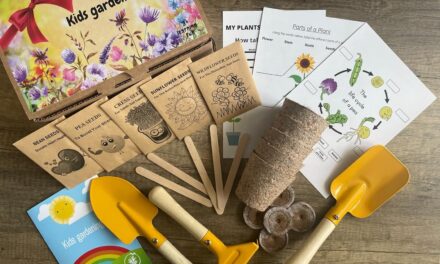
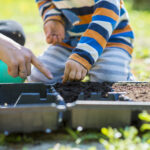
Choose seeds that sprout quickly to keep children interested. Sunflowers are a great choice; they grow tall and proud, offering a sense of achievement. Radishes are another good option. They’re ready to harvest in just a few weeks, making them perfect for impatient little gardeners. Plant seeds in egg cartons or small pots. This makes it easy for children to handle. Label each with the name and planting date. Most people think you need to buy expensive pots, but recycled containers work just as well!
Sensory Garden for Kids
Creating a sensory garden can be a wonderful way to engage children with diverse needs. Include plants that tickle the senses. Lavender for scent, lamb’s ear for touch, and colourful flowers for visual delight. Arrange plants at different heights to create interest and pathways for kids to explore. Encourage them to listen to the rustling leaves and buzzing bees. This garden becomes a sanctuary where they can relax and learn. Don’t forget to include a small water feature or bird bath. It attracts wildlife and adds the soothing sound of water.
Eco-Friendly Gardening Fun
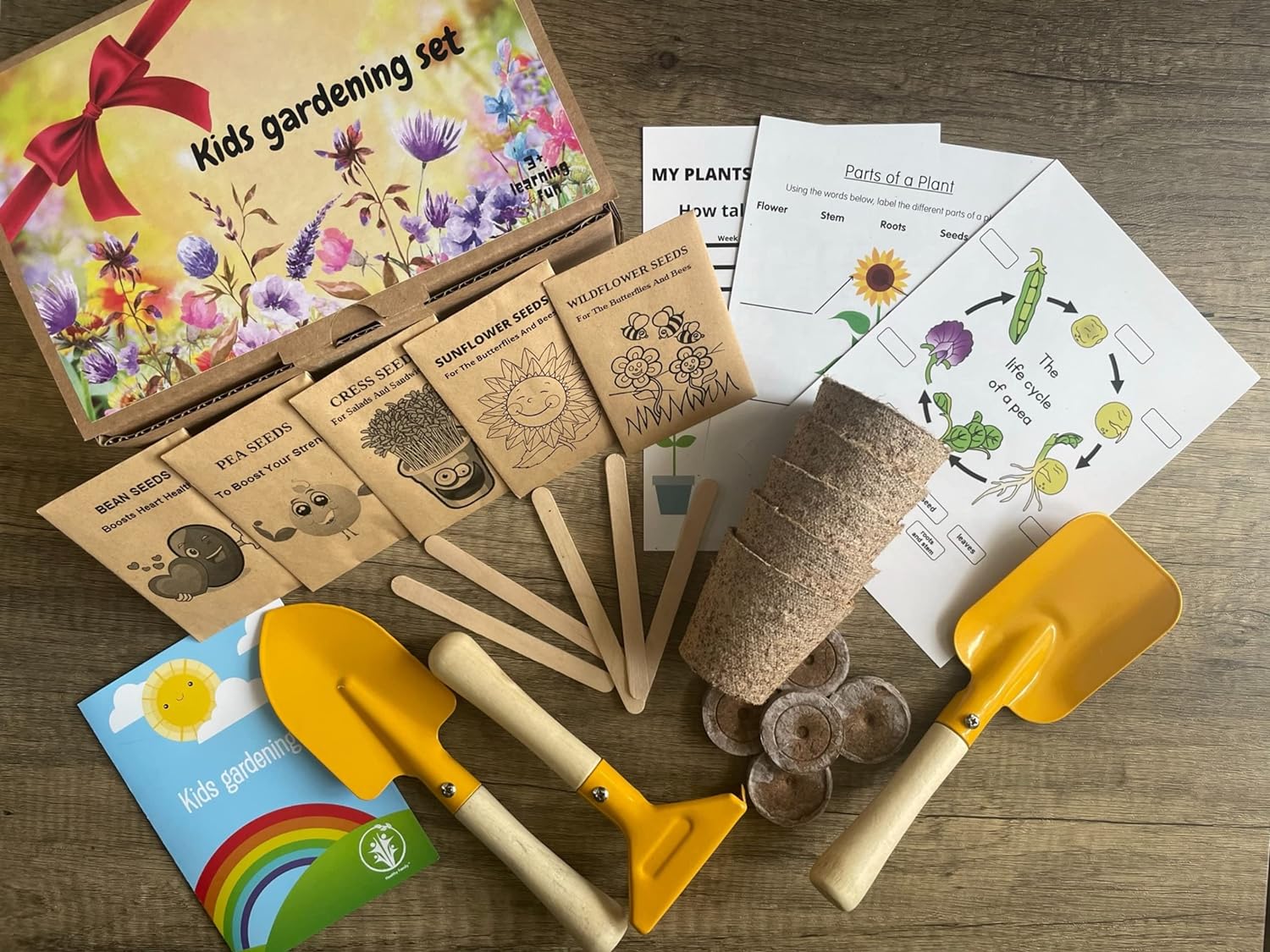
Gardening can be both fun and sustainable. By using recycled materials, you teach children about the importance of caring for our planet.
Recycled Planters for Children
Get creative with recycled planters. Old boots, tin cans, and even teapots can be transformed into charming plant homes. Involve children in decorating these containers with paint or stickers. This personal touch makes gardening more meaningful. Encourage them to choose what to plant and where to place it. This fosters a sense of ownership and responsibility. Remember, every little effort counts. By reusing items, you’re teaching the Three Rs: Reduce, Reuse, Recycle.
Welcoming Wildlife to Your Garden 🌿🦋✨
A garden is not just for plants; it’s a haven for wildlife too. Planting pollinator-friendly plants UK like foxgloves and lavender attracts bees and butterflies. These creatures are vital for a healthy ecosystem. Set up a bug hotel or bird feeder to invite more visitors. Kids will love spotting different insects and birds. This teaches them about biodiversity and the role every creature plays. The longer you wait to start, the more opportunities you miss to connect with nature. So, grab your spade and let’s get growing.