Dan the Gardener’s Nature‑Play Guide: 15 Simple Activities for Curious Kids (Ages 4–9) — Back Garden and Beyond!
Forget the idea that nature-based learning activities need to be complicated or costly. Your back garden can become a vibrant classroom filled with discovery and joy for children aged 4 to 9. From planting seeds to spotting pollinators, these simple outdoor learning for kids UK ideas spark curiosity and support EYFS and KS1 science topics. Ready to inspire young explorers with easy, inclusive activities that bring nature closer? Let’s get started!
Nature-Based Learning Adventures
Let’s turn your garden into a wonderland for little explorers! Simple games can ignite curiosity and make learning fun.
Garden Games for Little Explorers
Imagine your garden as a playground of discovery. Hide a few treasures and create a scavenger hunt for your kids. Use clues about different plants or bugs they might find. This game teaches them about nature and keeps them active. You can also play “I Spy” with a twist: focus on colours, shapes, or sounds in the garden. This helps kids develop observational skills and an appreciation for their surroundings.
Want to add a challenge? Set up a mini obstacle course using garden tools, small logs, or even a garden hose. Jump over, crawl under, and balance to complete the course. This encourages physical activity and boosts problem-solving skills. Who knew learning could be so much fun?
Sensory Garden Ideas for Children
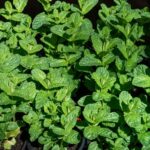
A sensory garden is a wonderful way to engage all your child’s senses. Start by planting scented herbs like lavender or mint. Encourage kids to gently rub the leaves and smell them. It’s a simple way to learn about plants and enjoy the calming effects of nature.
Next, introduce textures. Use different materials like sand, pebbles, and leaves to create a touch station. Let kids explore these textures with their hands. You can even add a sound element: hang wind chimes or place a small water feature. This will help children connect with nature through sound.
Wildlife Gardening for Families
Creating a wildlife-friendly garden is easier than you think. Start by planting native flowers to attract butterflies and bees. Kids will love watching these pollinators flutter around. You can also build a small bug hotel using twigs, leaves, and recycled materials. This provides a habitat for beneficial insects.
Consider setting up a bird feeder and birdbath. Watching birds visit your garden can be both relaxing and educational. Encourage your kids to keep a journal of different species they spot. It’s a fun way to learn about wildlife and develop writing skills.
Eco-Friendly Crafts and Creations
Eco-friendly crafts offer a chance to be creative while learning about sustainability. Let’s dive into some crafty ideas!
Recycled Crafts for Children
Turn household items into creative masterpieces! Gather toilet rolls, bottle caps, and cardboard boxes. Challenge your kids to craft their own robots or animals. This not only sparks creativity but also teaches the importance of recycling.
Another fun idea: create a collage using old magazines and newspapers. Encourage your kids to cut out pictures and words to form a story or theme. This activity promotes creativity and helps develop fine motor skills.
Bird Feeder from Recycled Materials
Make a bird feeder using a plastic bottle and some string. Cut a hole in the side and fill it with birdseed. Hang it up and watch as birds flock to your garden. It’s a simple project that teaches kids about caring for wildlife and the importance of recycling.
Once the feeder is up, encourage your kids to observe which birds visit. They can draw pictures or write about their observations. This activity combines art, science, and environmental awareness.
Crafty Upcycling with Recycle Michael
Introduce your kids to Recycle Michael, the creative fixer. Use cans, jars, and other recyclables to make planters. Paint them in bright colours and plant herbs or flowers. This activity fosters creativity and teaches about growing plants at home.
Kids can also make wind chimes from old keys, buttons, or shells. String them together and hang them in the garden. Watching them sway in the breeze adds a sense of magic to your outdoor space.
Pollinators and Planting Fun
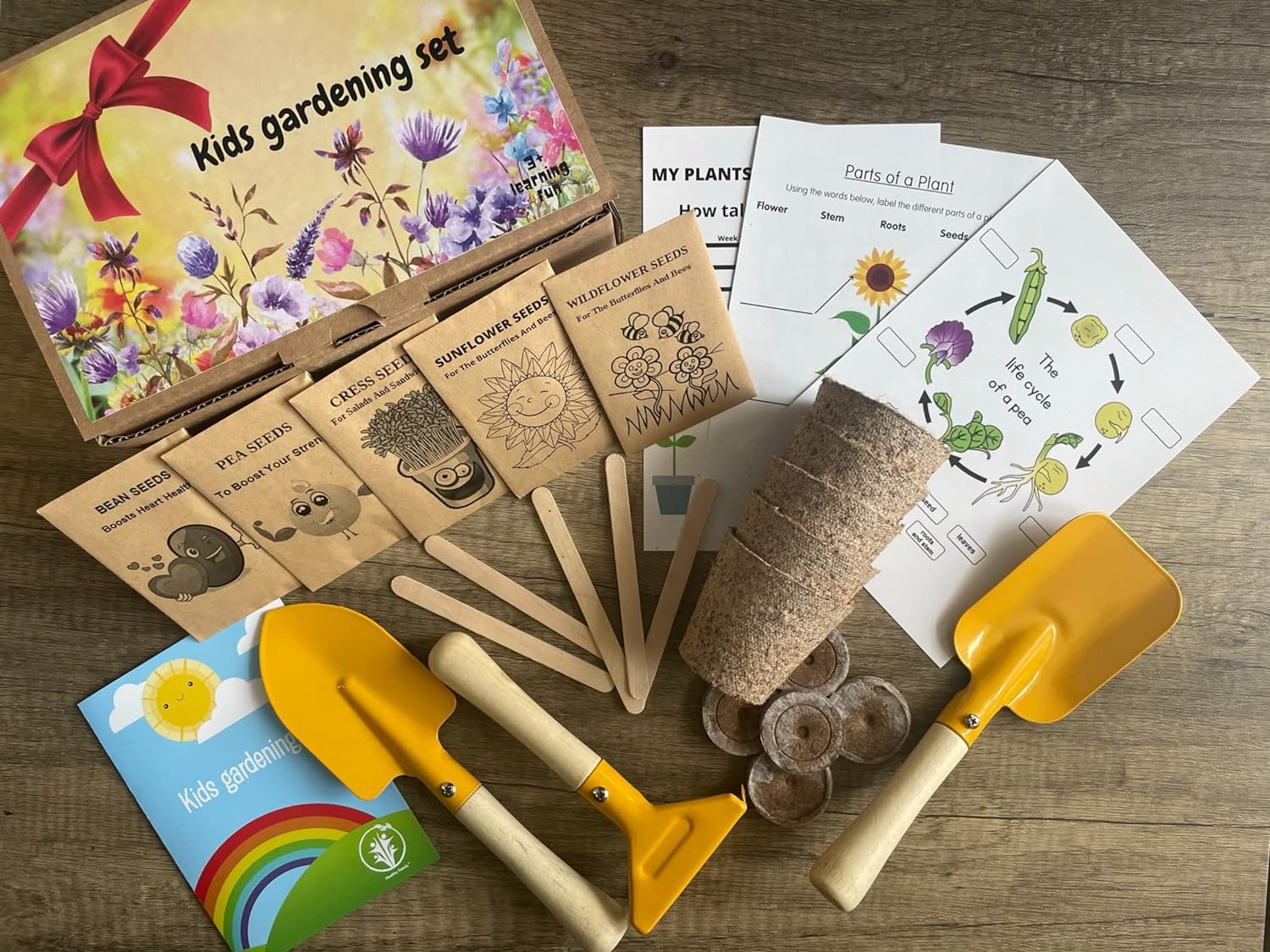
Gardening with kids is a rewarding experience that teaches patience and responsibility. Let’s plant some seeds and watch them grow!
Seed Planting with Children
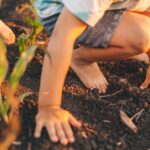
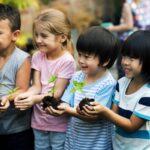
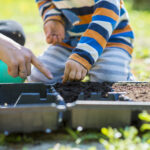
Planting seeds is a simple yet powerful activity. Choose easy-to-grow plants like sunflowers or beans. Show your kids how to plant the seeds in soil, water them gently, and watch for sprouts. This process teaches them about plant life cycles and responsibility.
Encourage your children to keep a growth diary. They can measure the plants weekly and note changes. This not only enhances their observation skills but also introduces basic scientific concepts.
Measure Sunflowers KS1
Sunflowers are perfect for teaching measurement. As they grow, use a tape measure to track their height. Kids will be amazed at how quickly they reach for the sky! This hands-on activity reinforces maths skills and shows the magic of nature.
For an extra challenge, create a sunflower race. Plant seeds in different spots and see which grows fastest. Discuss factors like sunlight, water, and soil. Kids learn about variables and the environment’s impact on growth.
Save the Bees Activities 🌼
Bees play a crucial role in our ecosystem. Teach your kids about their importance by planting bee-friendly flowers like lavender and daisies. Create a bee bath using a shallow dish with water and pebbles. This provides a safe drinking spot for bees.
Discuss how bees help our plants and food grow. Encourage your kids to spread the message about protecting bees. They can create posters or write a story about a bee’s journey. This empowers them to be eco-advocates and understand their role in nature conservation.
By exploring these activities, you not only create a fun learning environment but also foster a love for nature that lasts a lifetime. Enjoy your garden adventures!