Plant, Play, Grow: How to Start a Children’s Spring Garden at Home
Forget the idea that gardening with kids needs to be complicated. Starting a children’s spring garden at home can be simple, joyful, and full of wonder. With a few easy steps, you’ll watch your little ones dig, plant, and learn about nature right outside your door. Ready to turn your garden into a playful classroom for spring gardening for children? Let’s get growing!
Start Your Children’s Spring Garden
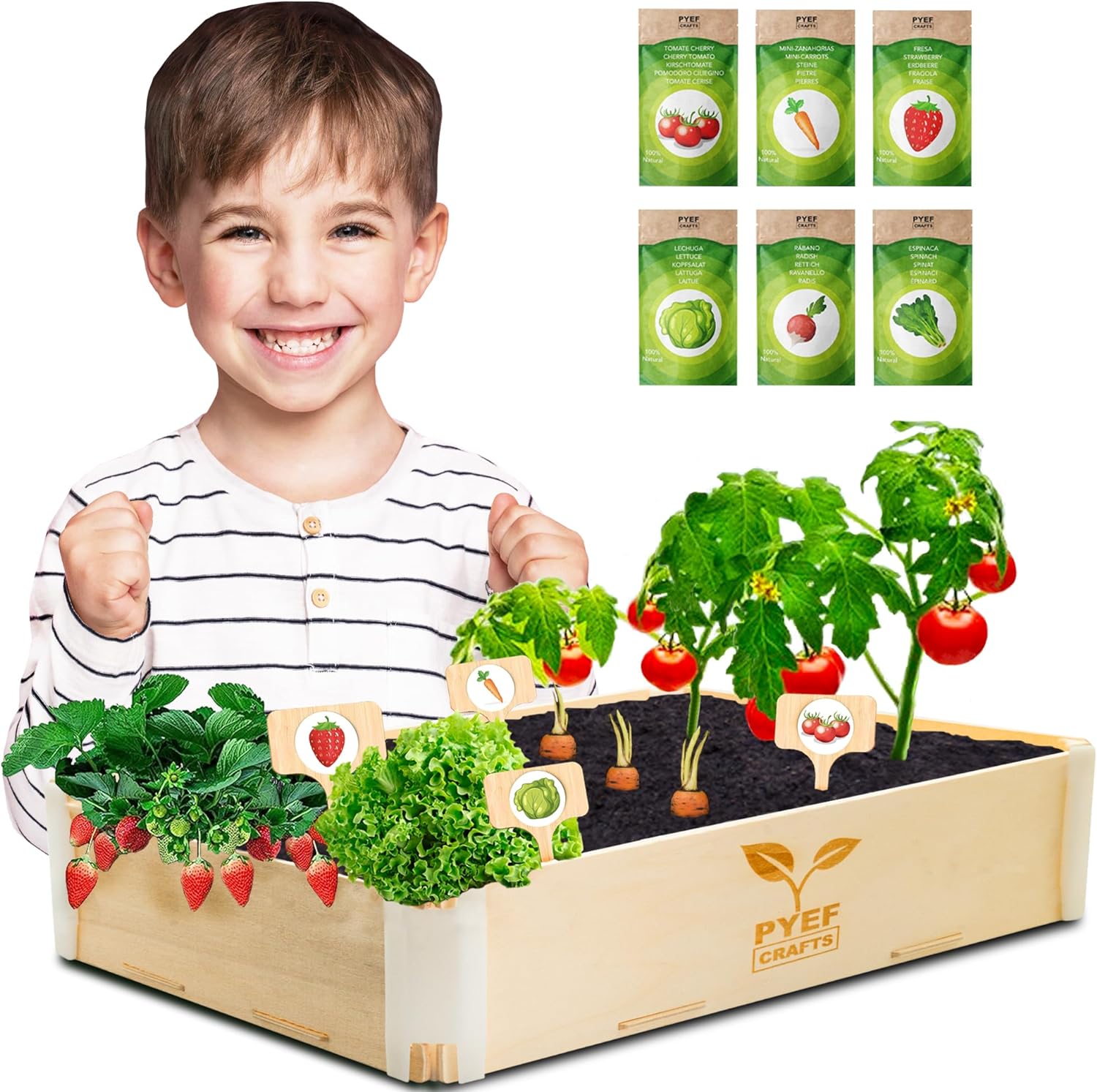
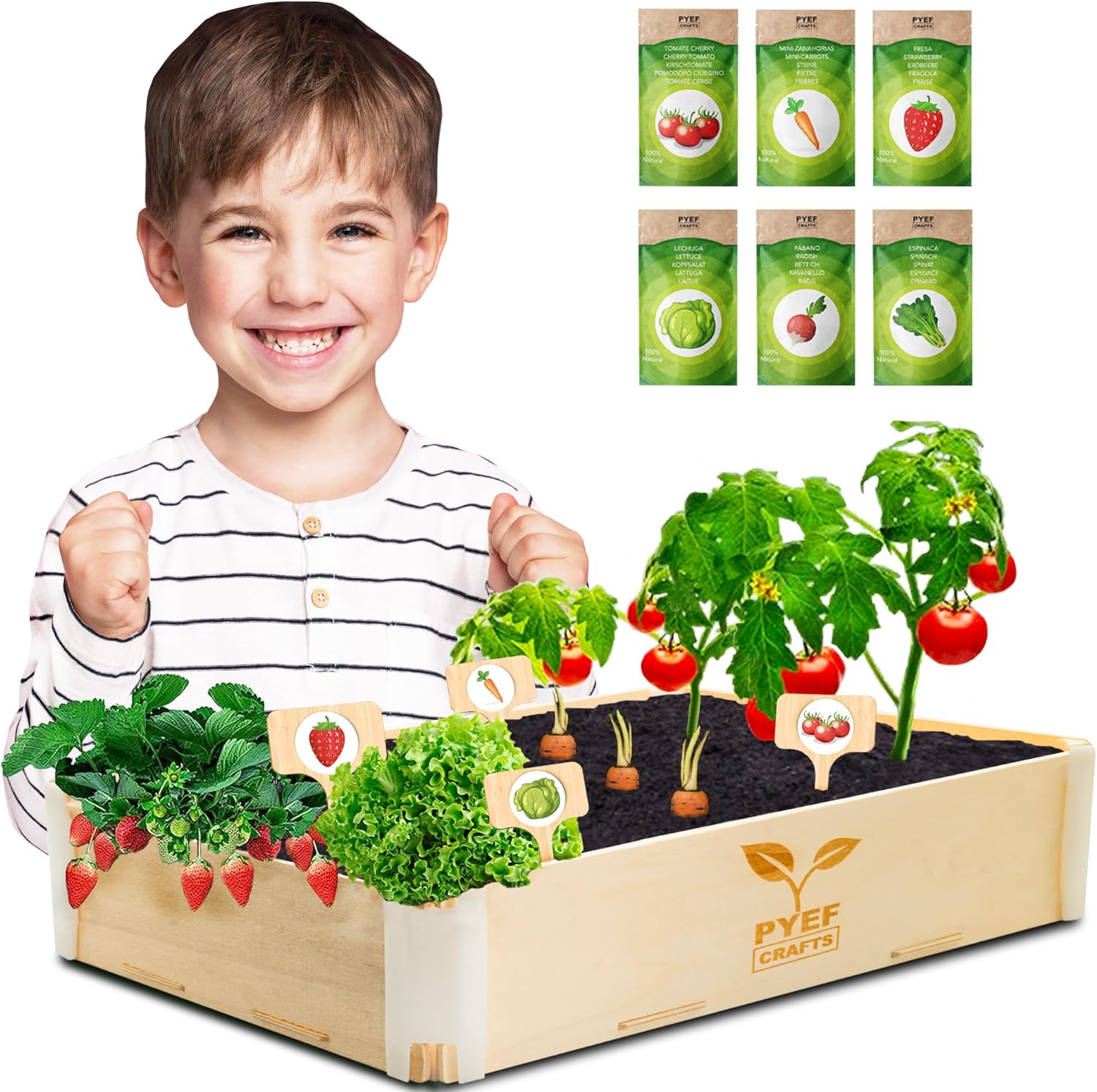
Getting started with your children’s spring garden is not only fun but also rewarding. Let’s dig into how you can begin this exciting journey with your little ones.
Choosing the Right Plants
Select plants that thrive in spring and are easy for small hands to manage. Sunflowers and marigolds are perfect choices. They’re bright, cheerful, and grow quickly, providing a sense of accomplishment for young gardeners. Your children will love seeing the first sprouts break through the soil!
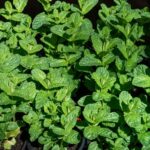
Another great option is herbs like basil and mint. They grow rapidly and are useful for cooking, providing a sensory experience through touch and smell. Let your kids pick the leaves, and they’ll learn about flavours and scents. These plants not only introduce children to gardening but also deepen their connection with nature.
Preparing the Garden Space
A garden can be as small as a few pots on your balcony or as big as a section of your yard. Ensure your spot gets plenty of sunlight, which is crucial for plant growth. Clear the area of any debris or weeds to give your plants the best start.
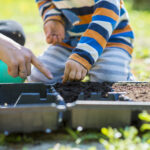
Involve your children in this preparation stage. Let them dig in the dirt with little shovels or their hands, feeling the earth beneath their fingers. This tactile experience is both grounding and fun, making them feel like real gardeners.
Sensory Garden Ideas for Kids
Transform your garden into a sensory wonderland! Create a path of stepping stones that lead to different plant sections, each offering a unique sensory experience. Plant lavender for its soothing scent and lamb’s ear for its soft leaves.
Involve your children in choosing the plants. Their curiosity will guide them to explore varied textures and smells. These sensory experiences can be particularly beneficial for neurodiverse children, offering calm and focus. Encourage them to notice how different plants feel, look, and smell, sparking their curiosity and love for the garden.
Fun Gardening Activities
With your garden space ready, it’s time to explore fun activities that make gardening a joyful learning adventure for your kids.
Seed Starting with Children
Starting seeds is an exciting process for kids. Begin with easy-to-grow seeds like cress or radishes. These plants germinate quickly, providing almost instant gratification.
Fill small pots with soil and let your child sprinkle seeds on top. Explain how seeds need water and light to grow, and let them water the plants daily. Watching seeds transform into seedlings is magical for young gardeners and teaches patience and care.
Sunflower Growing with Children
Sunflowers are a favourite for kids because they grow tall and strong. Choose a sunny spot in your garden and plant sunflower seeds. Encourage your children to measure their growth each week; they’ll be amazed at how fast they shoot up!
This activity not only teaches kids about growth cycles but also instils a sense of responsibility as they care for their plants. Plus, sunflowers attract bees, offering a lesson in pollinators and their importance to our ecosystem.
Composting for Kids Made Easy
Turn kitchen scraps into garden gold with a simple composting project. Use a small bin or a section of your garden to start a compost heap. Explain how food waste, when combined with soil, breaks down into nutrient-rich compost.
Involve your kids in collecting fruit peels and veggie scraps. They’ll learn about sustainability and how composting helps the garden grow. This activity is a hands-on way to teach eco-friendly gardening for kids, turning waste into a valuable resource for their plants.
Eco-Friendly Practices for Families
Adopting eco-friendly practices in your garden helps nurture both the planet and young minds. Here’s how your family can make a difference.
Reuse Reduce Recycle Activities
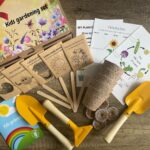
Teach children the importance of recycling through gardening. Create plant markers from old spoons or use egg cartons as seed starters. Involve your kids in these projects, showing them how everyday items can be reused creatively.
This approach not only reduces waste but also fosters creativity. Children learn that recycling can be fun and impactful, making them more aware of their environment and the role they play in protecting it.
Pollinators and Bee-Friendly Plants UK
Bees and butterflies are essential to a healthy garden. Planting bee-friendly flowers like lavender and foxglove attracts these important pollinators. Explain to your children why bees are crucial for plants and how they help gardens flourish.
Encourage your kids to observe these creatures at work in the garden. This interaction fosters a deeper understanding and appreciation for nature, teaching children how interconnected our world is.
Outdoor Learning KS1 Tips 🌱🔍
Garden settings are perfect for outdoor learning. Use the garden to teach maths by counting petals or measuring plant heights. Explore science by observing life cycles and plant growth.
Create treasure hunts with nature-themed clues, turning your garden into an educational playground. These activities promote a love for learning beyond the classroom, making education dynamic and engaging for young minds.
Creating a spring garden with your children is an enriching experience that combines learning with nature. By planting seeds, exploring sensory gardens, and embracing eco-friendly practices, you’ll spark curiosity and joy in your young gardeners. Remember, every small step in the garden is a step towards a greener, more sustainable future for them. 🌻