Sprout and About: How to Start a Child-friendly Spring Garden at Home
Forget everything you know about gardening with kids UK. Starting a child-friendly spring garden at home doesn’t have to be tricky or messy. With Dan the Gardener & Friends guiding you through simple steps, your family can create a safe, colourful space full of bee-friendly flowers, sensory delights, and upcycled treasures. Ready to spark curiosity and grow eco-habits together? Let’s step into Three Little Woods and make this spring unforgettable!
Starting Your Child-friendly Spring Garden
Creating a child-friendly garden opens up a world of exploration and learning for your little ones. Let’s discover the first steps to make this magical space come to life.
Choosing a Sunny, Safe Spot
The first step in creating your spring garden is finding the perfect spot. Look for an area that gets plenty of sunlight, as most plants thrive in light. Safety is key: avoid spots near busy roads or areas where little feet could wander off. If you have a garden fence, ensure it’s secure. This way, kids can freely enjoy their gardening adventures without any worries. Remember, the right location can make all the difference for your plants and your peace of mind.
Planning Small with Pots and Troughs
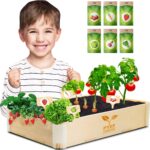
Starting small is a great way to introduce children to gardening. Pots and troughs are perfect because they’re manageable and versatile. You can place them on patios, windowsills, or balconies. Let your children pick their favourite pots, perhaps in bright colours or with fun patterns. This choice gives them a sense of ownership, making them more invested in their little gardens. With pots, you can easily move plants around to catch the best sun or shelter them from harsh weather. It’s a flexible way to bring greenery into your home.
Upcycling Garden Crafts for Kids
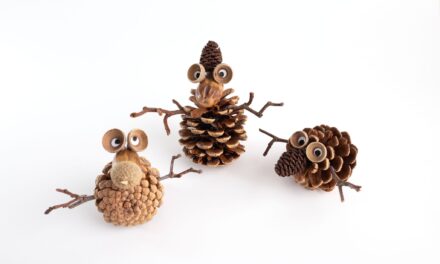
Garden crafts are a wonderful way to teach kids about sustainability. Upcycling old items into garden tools or decorations can be both fun and educational. Consider turning yogurt pots into seed starters or old spoons into plant markers. Encourage your children to get creative by painting and personalizing their creations. Not only do these crafts keep waste out of the landfill, but they also add a personal touch to your garden. Plus, they’re a fantastic way to spend quality time together while learning about the importance of reusing and recycling.
Planting Adventures with Dan and Friends
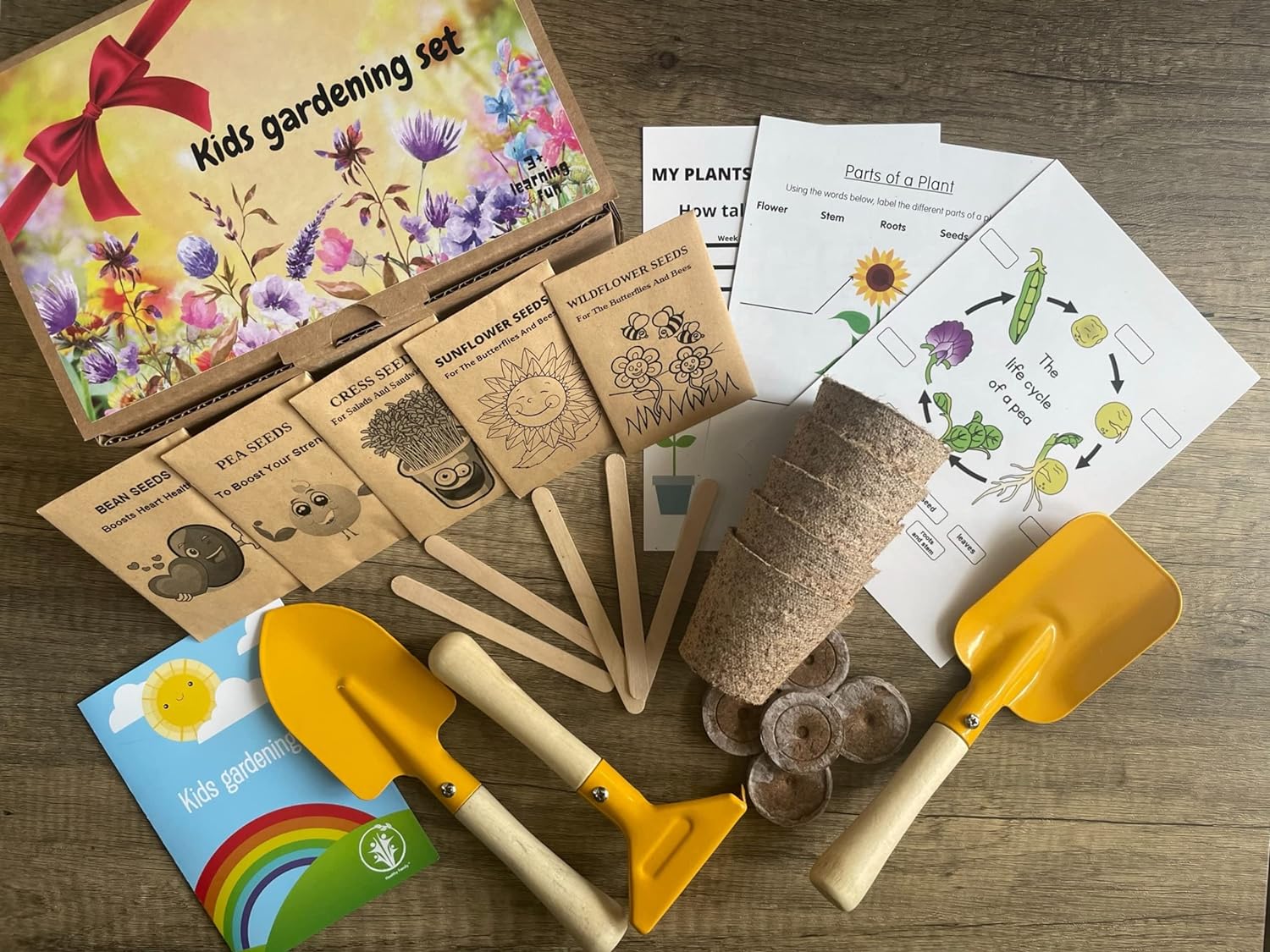
With your garden spot ready, it’s time to plant some seeds of adventure. Dan the Gardener and his friends are here to guide you through choosing the best plants for a vibrant, child-friendly garden.
Easy, Fast Growers for Spring
Kids love instant results, so why not start with plants that grow quickly? Radishes, lettuce, and sunflowers are perfect choices. Radishes can sprout in just a week, making them exciting for impatient little gardeners. Lettuce offers a continuous harvest, which means more salad days ahead. Sunflowers not only grow tall and fast but also provide a fun measuring activity as kids can track their height against these towering beauties. Remember, the joy of seeing their plants come to life will keep children engaged and eager to learn more about gardening.
Bee-friendly Flowers with Queenie’s Buzz
Inviting bees into your garden is a win for the environment and an educational opportunity for kids. Queenie the Bee will tell you that planting flowers like lavender or borage can help these important pollinators. Bees are vital for our ecosystem, and teaching children about their role in nature fosters respect and curiosity. As they watch bees buzzing from flower to flower, kids will learn about pollination—a crucial process for many of the foods we eat. Plus, bee-friendly flowers are often bright and beautiful, adding a splash of colour to any garden.
Sensory Garden Ideas for Children
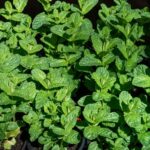
A sensory garden is a delightful way to engage children’s senses and imagination. Consider plants with interesting textures, like lamb’s ear, which is soft to touch, or herbs like mint and rosemary that release scents when handled. Sound can be incorporated with grasses that rustle in the wind. Encourage kids to close their eyes and identify plants by smell or touch. This connection to their senses not only enhances their learning experience but also provides a calming environment for those with busy minds. A sensory garden is an all-around winner for curious young gardeners.
Fun Activities and Eco-friendly Practices
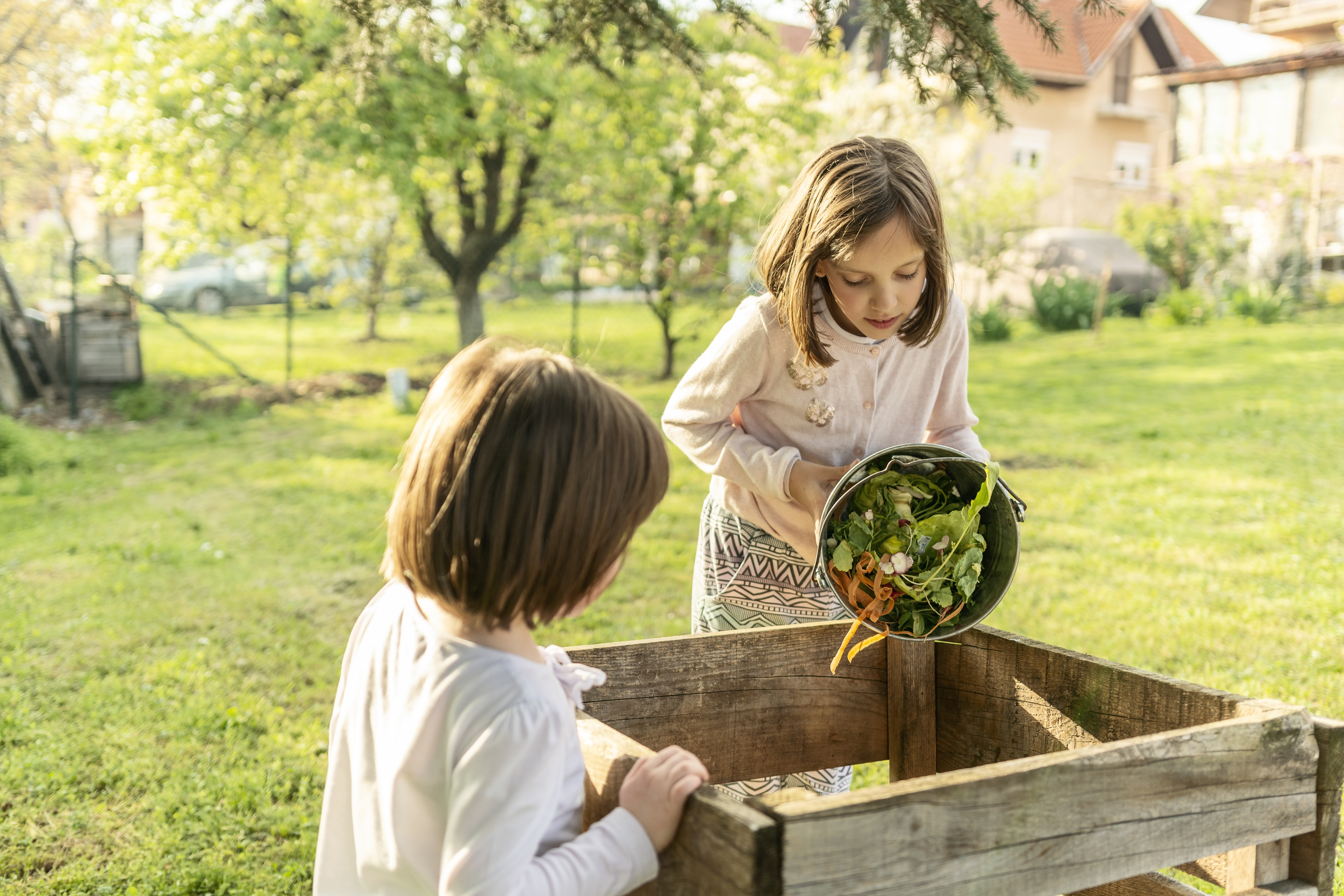
Now that your garden is growing, it’s time to explore eco-friendly practices and fun activities that keep nature thriving and children entertained.
Simple Watering Routine for Little Hands
Establishing a watering routine is crucial for plant health. Turn this task into a fun daily ritual with your children. Use small, lightweight watering cans that are easy for them to handle. Teach them to check the soil’s moisture by touching it—if it feels dry, it’s time to water. This simple practice not only ensures your plants stay hydrated but also instills responsibility in young gardeners. Plus, the gentle act of watering can be a soothing and mindful moment in their day.
Wildlife-friendly Garden Features
Encouraging wildlife into your garden adds excitement and teaches kids about biodiversity. Create a bug hotel using stacked logs, leaves, and twigs in a corner of your garden. This can attract helpful insects like ladybugs and beetles. Bird feeders are another great addition, bringing feathered friends to your garden. Watching wildlife interact with your garden can be a captivating experience for children, fostering a love for nature and an understanding of the ecosystem.
Celebrate the Three Rs with Crafty Labels 🌱🌻🐝
The Three Rs—Reuse, Reduce, Recycle—are essential lessons for sustainable living. Get crafty with your kids by making plant labels from recycled materials. Old CDs can be cut into shiny labels, or use painted stones to mark different plant areas. This activity reinforces the importance of recycling while allowing children to express their creativity. Every time they see their labels in the garden, they’re reminded of the positive impact of reusing materials. Through these small but meaningful actions, children learn that they can make a difference in the world around them.
By engaging with these activities, your garden becomes more than just a green space—it’s a living classroom where children learn about responsibility, creativity, and sustainability. As you nurture your garden together, you nurture their growing minds, fostering a lifelong connection to nature and the environment.