How to Create a Fun and Educational Children’s Garden at Home: A Step-by-Step Guide with Dan the Gardener & Friends
You’ve got a garden space but no clue how to turn it into a magical world where kids learn and play? Creating a children’s garden at home can feel tricky, especially when you want it safe, fun, and green. This step-by-step guide with Dan the Gardener & Friends will help you build a lively garden filled with easy plants, sensory surprises, and wildlife visitors. Ready to watch your little ones grow curious and confident outdoors? Let’s get started!
Setting Up Your Children’s Garden
Creating a garden for kids is a wonderful way to combine fun and learning. Let’s start with choosing the right spot.
Choosing the Perfect Spot
Selecting the right location is the first step. Look for a place that gets plenty of sunlight but also offers some shade. This balance helps plants grow well and keeps little gardeners cool. Ensure the area is safe and easily accessible. You’ll want kids to reach all parts of the garden without stepping on plants. Consider adding a path or stepping stones to guide them through their new outdoor space.
Sketching a Simple Garden Plan
A simple garden plan is your roadmap. Grab some paper and pencils, then sit with your child to draw what your garden will look like. Include different sections: areas for flowers, vegetables, and play. Decide together where each plant will go. It’s a fun way to involve kids and let their imaginations run wild. Keep the plan flexible. You might find that changes are needed as you start planting.
Creating Playful Zones
Playful zones make the garden inviting. Think about adding a sandpit, a small climbing area, or a spot for a picnic blanket. These spaces encourage your child to spend more time in the garden. If you have extra space, create a hidden nook with tall plants like sunflowers. Kids love secret spots where they can hide and explore.
Fun Gardening Activities for Kids
Once your garden is set, it’s time to dive into activities that keep kids engaged. Let’s start with easy-to-grow plants.
Growing Bed with Easy Wins
Choose plants that grow quickly and easily to keep kids interested. Radishes, sunflowers, and marigolds are perfect choices. Radishes sprout in just a few days, which is great for impatient young gardeners. Sunflowers are fun to watch as they stretch towards the sky, and marigolds add bright colour while keeping some pests away. Encourage children to water and care for their plants daily. This routine helps them understand responsibility and patience.
Crafting Upcycled Planters
Transform old items into planters. Use tin cans, old boots, or broken toys. Let kids paint and decorate them. This activity shows how to reuse items creatively, teaching the Three Rs: reuse, reduce, and recycle. Fill the planters with soil and let kids choose what they’d like to plant. Watching seedlings sprout from their personalised pots brings a sense of achievement.
Making a Bug Hotel for Kids
Introduce children to the world of insects with a bug hotel. It’s easy to make and fascinating to explore. Use a wooden box or an old terracotta pot. Fill it with bamboo sticks, pinecones, and straw. Each material attracts different creatures, such as ladybirds and solitary bees. Explain how these insects help the garden grow, turning it into a lively ecosystem.
Engaging with Nature and Wildlife
Now, let’s explore how to make your garden a haven for local wildlife.
Sensory Garden Ideas
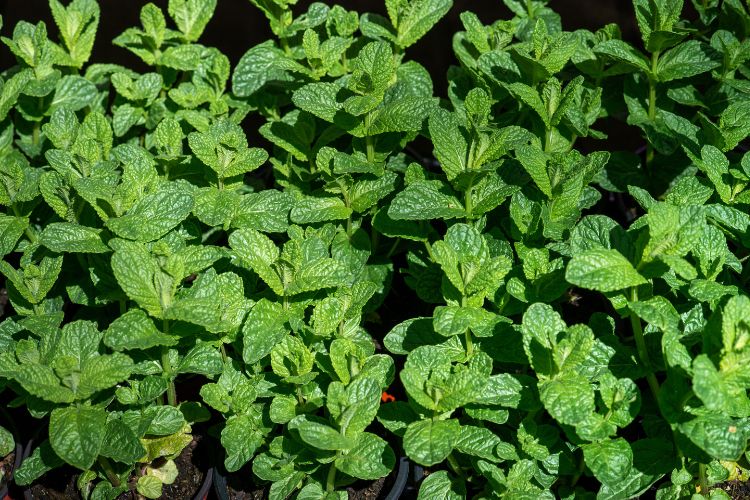
A sensory garden stimulates the senses. Include plants with different textures like lamb’s ear or herbs like mint and lavender. Encourage kids to touch and smell the plants. Add wind chimes, water features, or rustling grasses to create sounds. This variety helps children, especially those with ADHD, engage and focus.
Pollinator-Friendly Plants UK
Pollinators are vital to any garden. Choose flowers like lavender, foxglove, and borage to attract bees and butterflies. These are not only pretty to look at but also support local wildlife. Explain to kids why pollinators are important and how they help plants grow. Watching bees buzz from flower to flower is a delightful experience for children.
Wildlife Garden Ideas for Families 🌻🐝🌿
Create a space where wildlife feels welcome. Leave a patch of grass uncut or add a small pond for frogs. Bird feeders made from recycled materials bring feathered friends into the garden. Observing birds and bugs is not only educational but also enhances the garden’s vitality. Encourage kids to keep a nature journal, noting down the creatures they see and what they learn about them.