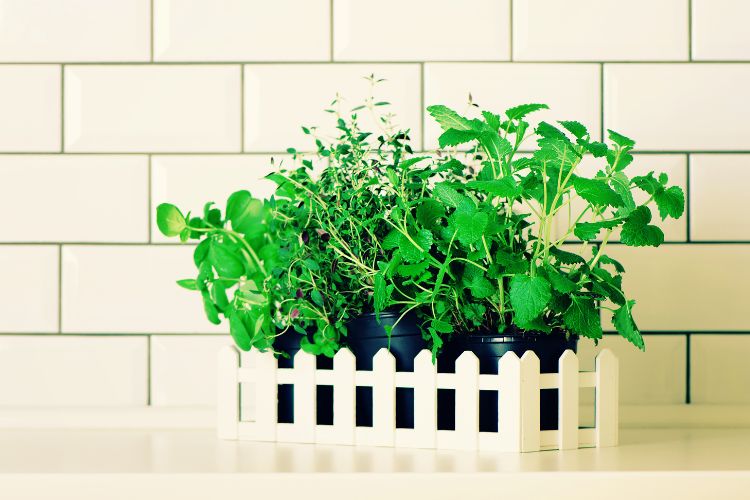
Little Gardeners, Let’s Begin! An Early Spring Starter Garden for Kids
Spring’s first whispers are here, and it’s the perfect moment to start a children’s garden at home! With simple steps, recycled pots, and plenty of curiosity, your little gardeners can watch seeds turn into green wonders right on the windowsill or in the garden. Alongside fun family time, this early spring planting links beautifully to KS1 science plants, helping kids learn while they grow. Let’s get those hands dirty and imaginations blooming with Dan the Gardener & Friends!
Simple Steps for Little Gardeners
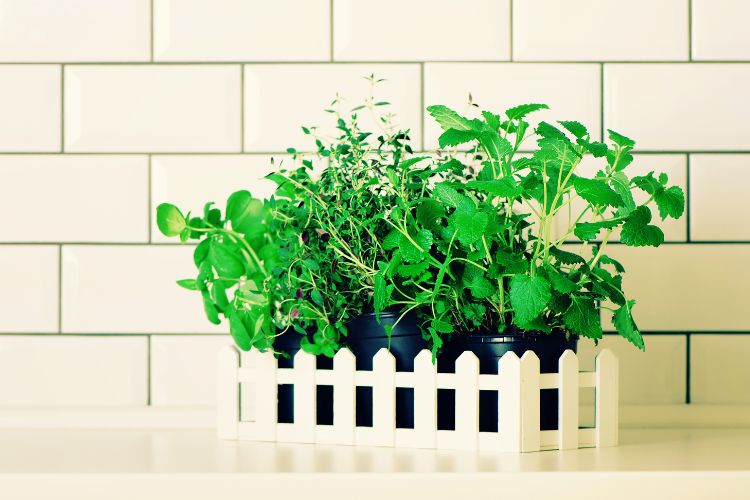
Getting your children involved in gardening can be an exciting journey into nature. It all begins with the right setup and tools, making use of things you already have at home.
Choosing Recycled Plant Pots
Did you know that a garden can start with what you might throw away? Old yoghurt pots, egg cartons, and even juice boxes make excellent plant pots for your budding gardeners. Not only do these materials reduce waste, but they also provide a great learning opportunity about recycling.
-
Step 1: Rinse and dry your selected containers.
-
Step 2: Poke small drainage holes in the bottom.
-
Step 3: Decorate them with paint or stickers for a fun personal touch.
These pots are perfect for starting small seeds and teach kids the importance of reusing materials.
Seed Sowing Indoors: Cress and Peas
Starting seeds indoors is a wonderful way to see nature’s magic. Cress is very forgiving and grows quickly, while peas offer a tasty reward.
-
Cress Heads: Fill an egg carton with soil and sprinkle cress seeds on top. Water lightly and place in a sunny spot. In just a few days, you’ll see green shoots!
-
Peas in a Pot: Use a recycled container, fill it with soil, and plant a pea seed about an inch deep. Water gently and keep it near a sunny window.
Watching seeds sprout into plants is a delightful surprise for children, introducing them to the wonders of early spring planting.
Creating a Windowsill Garden
Transform your windowsill into a mini garden with a variety of plants. This is an excellent way to utilise space and give your children pride in their little green corner.
-
Choose a Sunny Spot: Position your pots where they get plenty of light.
-
Mix and Match: Plant herbs, flowers, and small veggies like radishes. Each plant offers a different texture and scent, enriching the sensory experience.
A windowsill garden teaches kids about responsibility and the joy of nurturing life, all from the comfort of your home.
Outdoor Adventures in Early Spring
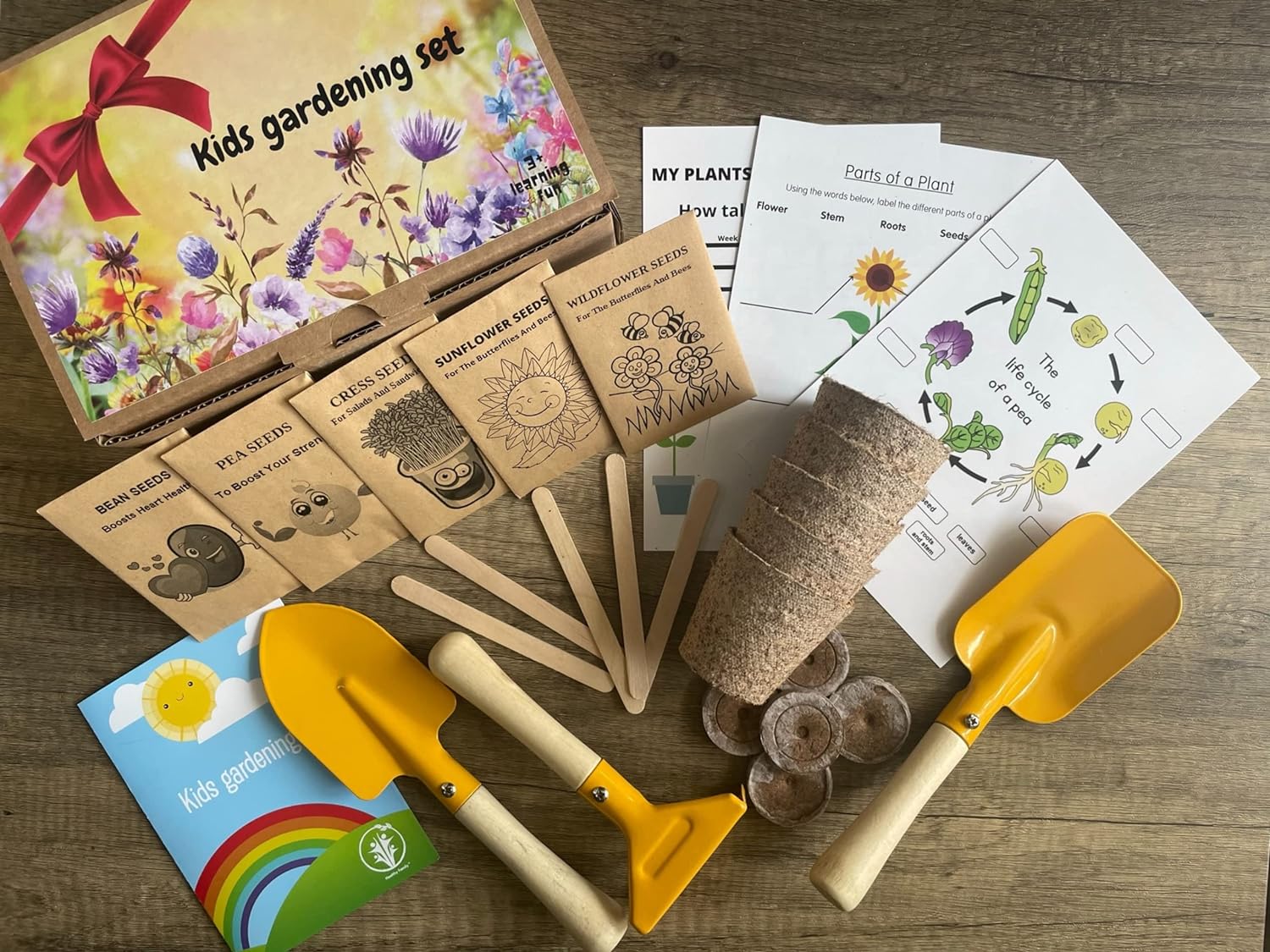
Once indoor plants are thriving, it’s time to step outside. Early spring is perfect for starting outdoor projects that connect children with the environment.
Easy First Outdoor Sowings
Getting your kids to sow seeds directly into the soil is a hands-on way of learning about nature. Radishes and lettuce are great choices for beginners.
-
Prepare the Ground: Show children how to loosen soil and create small rows.
-
Planting Time: Scatter seeds thinly, cover with soil, and water gently.
These crops grow quickly, allowing kids to see results without much waiting, fostering their patience and care for nature.
Bee-Friendly Flowers for Kids
Flowers not only brighten up the garden but also attract bees, essential for pollination. Sunflowers and marigolds are simple to grow and loved by bees.
-
Pick a Spot: Choose a sunny area in your garden.
-
Plant with Care: Teach kids to plant seeds at the correct depth, covering lightly with soil.
This activity highlights the role of bees in our ecosystem and the importance of planting bee-friendly flowers.
Fun with Water and Weather for Plants
Understanding how weather affects plants is an exciting experiment for kids. Use rainy days to discuss the water cycle and sunny days to explain photosynthesis.
-
Rainy Day Fun: Make a simple rain gauge to measure rainfall.
-
Sunny Day Play: Observe how plants grow towards the sun.
These observations help children connect daily weather patterns with plant needs, offering practical knowledge about outdoor learning at home.
Eco-Friendly Family Fun
Gardening is not just about plants; it’s about creating lasting family memories and eco-conscious habits.
Sensory Garden Ideas for All
A sensory garden is a wonderful way to engage children’s senses and inspire curiosity. Use various plants to stimulate sight, smell, and touch.
-
Textures and Colours: Plant lamb’s ear for its soft leaves or vibrant nasturtiums.
-
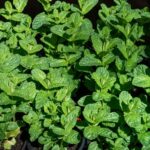
Scent Trail: Grow mint or rosemary to explore different aromas.
This garden type enriches sensory experiences, making it ideal for neurodiverse-friendly learning.
Reduce, Reuse, Recycle for Kids
Teaching kids about the three Rs is a cornerstone of eco-friendly living. Incorporate these principles into gardening activities.
-
Compost for Beginners: Start a simple compost pile using kitchen scraps.
-
Crafts from Recyclables: Create garden markers from old spoons or stones.
These practices instill a sense of responsibility and creativity in children, showing them how small actions can make a big difference.
Join Dan the Gardener & Friends Club 🌻
Discover more gardening adventures with Dan the Gardener & Friends. Join the club for free and receive a Bumper Activity Pack filled with eco-friendly crafts, games, and recipes that make learning about nature fun.
Engaging with nature through gardening is a gift that keeps on giving. By involving children in these simple, yet enriching activities, you’re not only teaching them about the environment but also fostering a lifelong love for the natural world. So, get those hands dirty and let imaginations bloom!