Composting Magic for Families: Turn Kitchen Scraps into Garden Gold
Forget everything you think you know about kitchen waste. Those leftover peelings and tea bags aren’t rubbish—they’re the secret to growing healthy soil right at home! With our family composting guide, you’ll learn simple ways to turn your kitchen scraps compost into garden gold, all while making eco-friendly family activities fun for everyone. Ready to meet Florence the Earthworm and start your own wormery for children? Let’s get digging!
Composting Adventures for Families
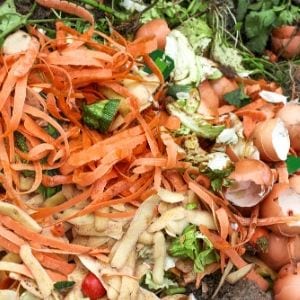
Dive into the delightful world of composting, where kitchen leftovers become treasures for your garden. This section shows how your family can turn scraps into soil.
Kitchen Scraps Turned to Treasure
Imagine transforming banana peels and eggshells into rich soil. Composting is like magic, turning everyday waste into something valuable.
When you compost, you help the environment by reducing waste. Instead of throwing away those peelings, you create nourishing soil. This soil helps plants grow strong. You might wonder how it works. It’s simple! As the scraps break down, they become a nutrient-rich mix that plants love.
Get your family involved. Challenge them to save scraps: apple cores, carrot tops, and even coffee grounds. Each piece you save makes a difference. Kids love seeing how their leftovers become garden gold. It’s a fun way to teach the Three Rs: reduce, reuse, and recycle. Soon, everyone will look at kitchen scraps in a whole new light.
What Goes In and Stays Out
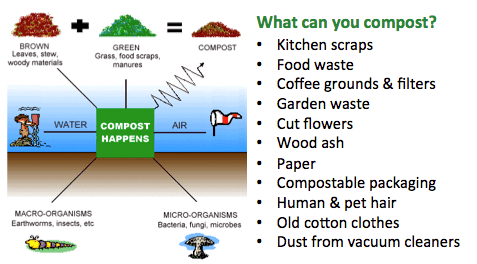
Knowing what to compost is key. Let’s explore what makes great compost and what should stay out.
Green items like vegetable scraps, fruit peels, and grass clippings are fantastic. They provide nitrogen. Browns, such as dried leaves and cardboard, add carbon. A balanced mix keeps the compost healthy.
Avoid meat, dairy, and oils. They attract pests and slow the process. Remember, composting is about balance. Too much green can make it slimy, while too many browns can make it dry. Have fun experimenting and finding the perfect mix for your family’s compost bin.
Simple Set-Ups for Home Composting
Starting a home composting system is easier than you think. Follow these steps to set up your compost area.
-
Choose a Spot: Find a corner in your garden or a bin for indoor composting.
-
Layer It Up: Start with a layer of browns, then add greens. Repeat the layers.
-
Keep It Moist: Sprinkle water to keep it damp, but not too wet.
-
Turn It Weekly: Use a garden fork to mix it up and add air.
With these simple steps, your family will have a thriving compost system. It’s rewarding to see waste turn into something wonderful. Plus, you’re helping the planet!
Sensory-Friendly Garden Fun
Now that your compost is underway, it’s time to explore the garden with all your senses. Let’s make outdoor learning fun for everyone.
Engaging Activities for All
Imagine a garden full of sights, sounds, and textures. Engaging sensory activities can make gardening enjoyable for every child.
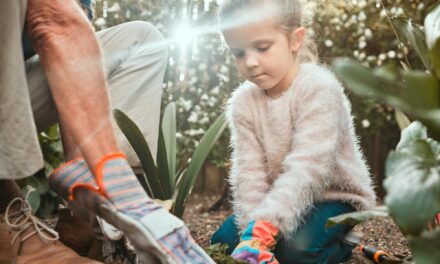
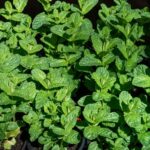
Encourage children to touch different plants. Feel the fuzzy leaves of lamb’s ear or the smooth petals of a rose. Listen for buzzing bees and chirping birds. Smell the herbs like mint and rosemary. These activities can calm busy minds.
Gardening helps children connect with nature. They learn patience as they watch seeds grow. It’s a chance for kids with different learning needs to thrive. When children engage their senses, they gain a deeper appreciation for the world around them.
Playful Ways to Learn and Explore
Gardening isn’t just for growing plants; it’s a playground for curious minds. Let’s explore how play can teach important lessons.
Create a scavenger hunt. Look for worms, count flowers, or find leaves of different shapes. This encourages observation and critical thinking. Kids can also build a bug hotel with twigs and leaves. It’s a great way to learn about insects.
Turn gardening into a game. Race to see who can plant the most seeds or water the plants the fastest. These playful moments make learning enjoyable. Remember, when learning feels like play, it sticks with children.
Safety First in the Garden
Safety in the garden is crucial. Here are some tips to keep everyone safe while having fun.
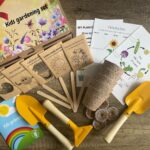
Ensure tools are child-friendly. Use small, lightweight spades and gloves. Teach kids how to handle tools properly. Supervise young gardeners, especially around sharp or heavy equipment.
Set rules like no running near the garden beds. Watch for insects or plants that can irritate the skin. Remind children to wash their hands after gardening. With these safety measures, everyone can enjoy the garden worry-free.
Join Our Eco-Friendly Club
With these activities, your family is on its way to becoming eco-heroes. But the fun doesn’t stop here! Let’s explore how you can be part of something bigger.
Fun Awaits with Dan and Friends
Imagine joining a club where gardening becomes an adventure. Dan the Gardener & Friends invite you to a world of exploration.
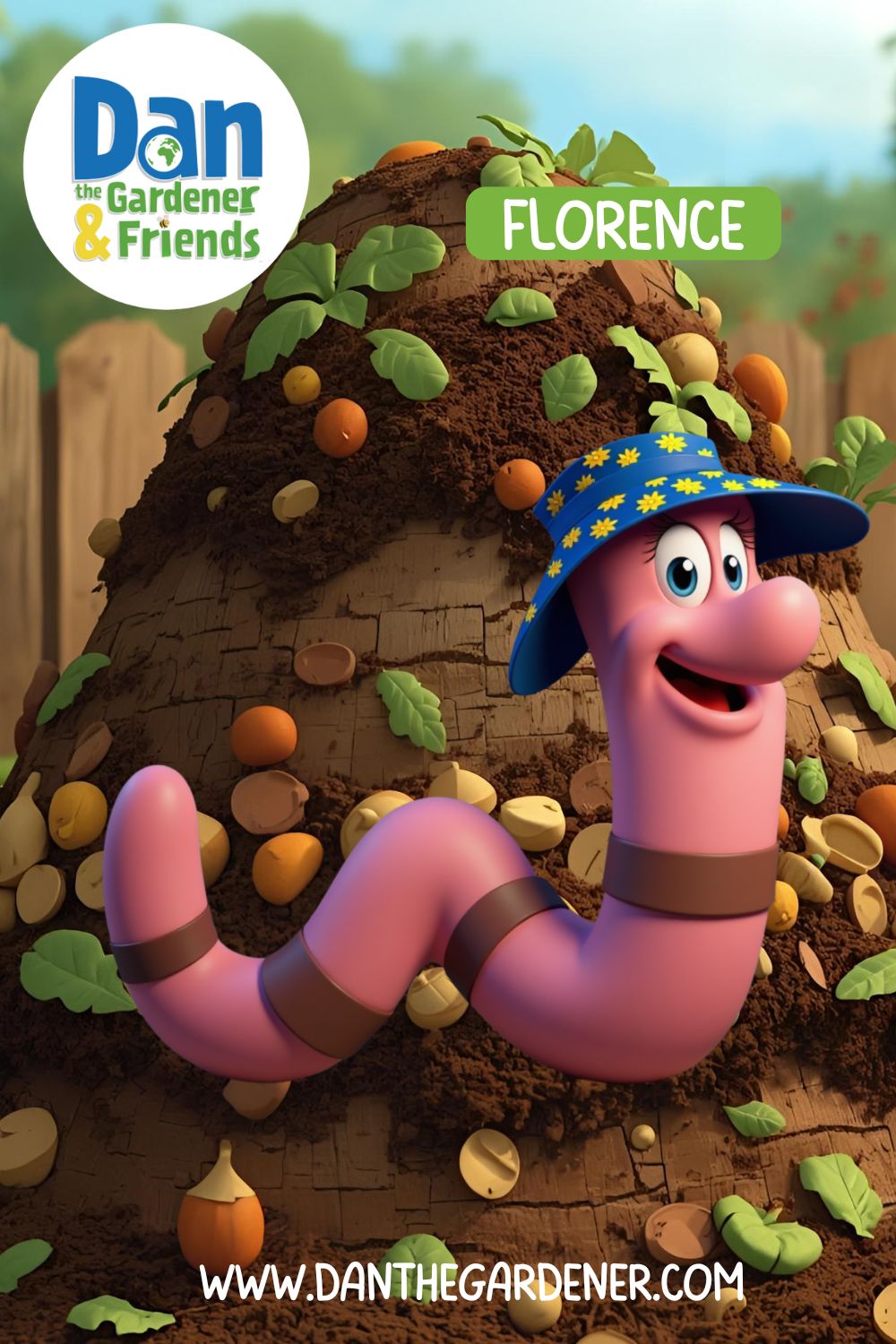
Meet characters like Florence the Earthworm and Recycle Michael. Each has a story and a lesson to share. Through these tales, children learn about nature and sustainability. It’s a chance for your family to dive deeper into eco-friendly living.
Bumper Activity Pack Benefits
When you join, you get a bumper activity pack filled with fun. Crafts, games, and recipes await.
Create recycled crafts, make nature-inspired snacks, and enjoy garden games. The pack provides endless ways to engage with nature. Every activity is designed to be educational and fun. It’s perfect for families and classrooms.
How to Get Involved Today 🌱🎉
Ready to join the fun? Becoming a member is easy and a step towards a greener lifestyle.
Visit our website to sign up. It’s free and a wonderful way to connect with other eco-conscious families. By joining, you’re not just learning; you’re part of a community that cares for the planet.
Let’s create a world where small actions lead to big changes. Together, we can make a difference and have fun doing it!