Mini Beasts Are Waking Up! Who Lives in Our Garden?
Spring’s first signs are stirring in gardens across the UK, and with them, the tiny minibeasts begin to wake! You and your little explorers can spot ladybirds, bees, earthworms, and more, learning who lives right outside your door. Join Dan the Gardener and friends for a gentle minibeast hunt that links to KS1 science and invites you to build a bug hotel using simple recycled materials. Ready to meet your garden’s tiniest neighbours?
Springtime Minibeast Adventure
Meet the Garden Residents
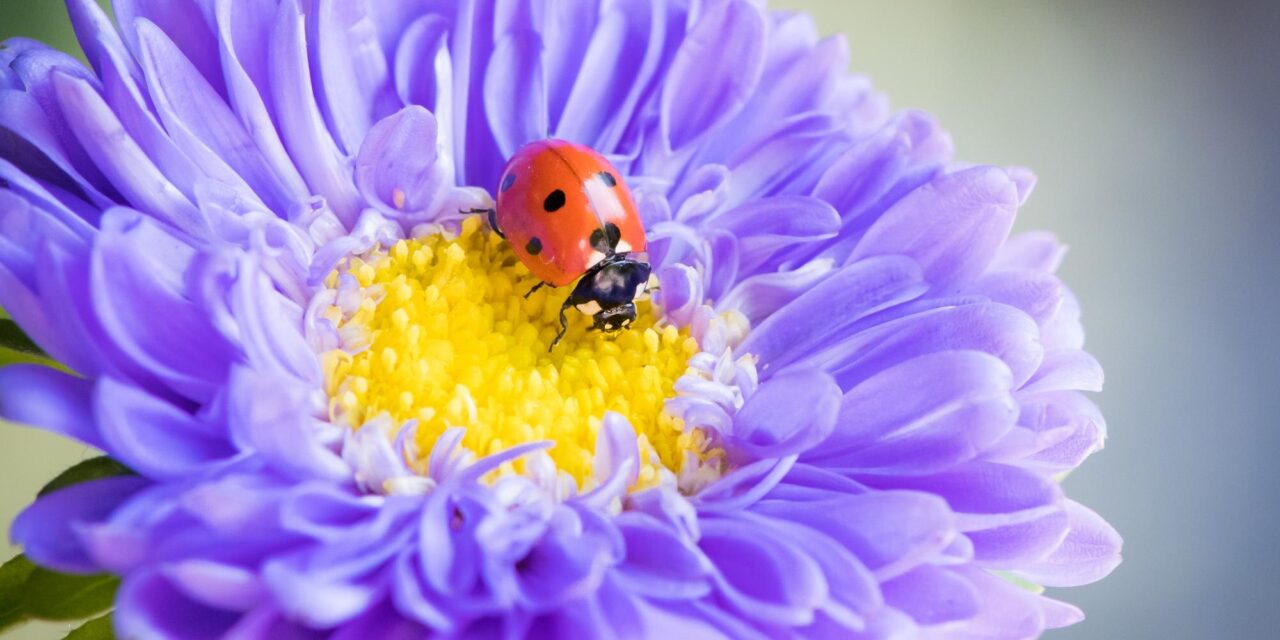
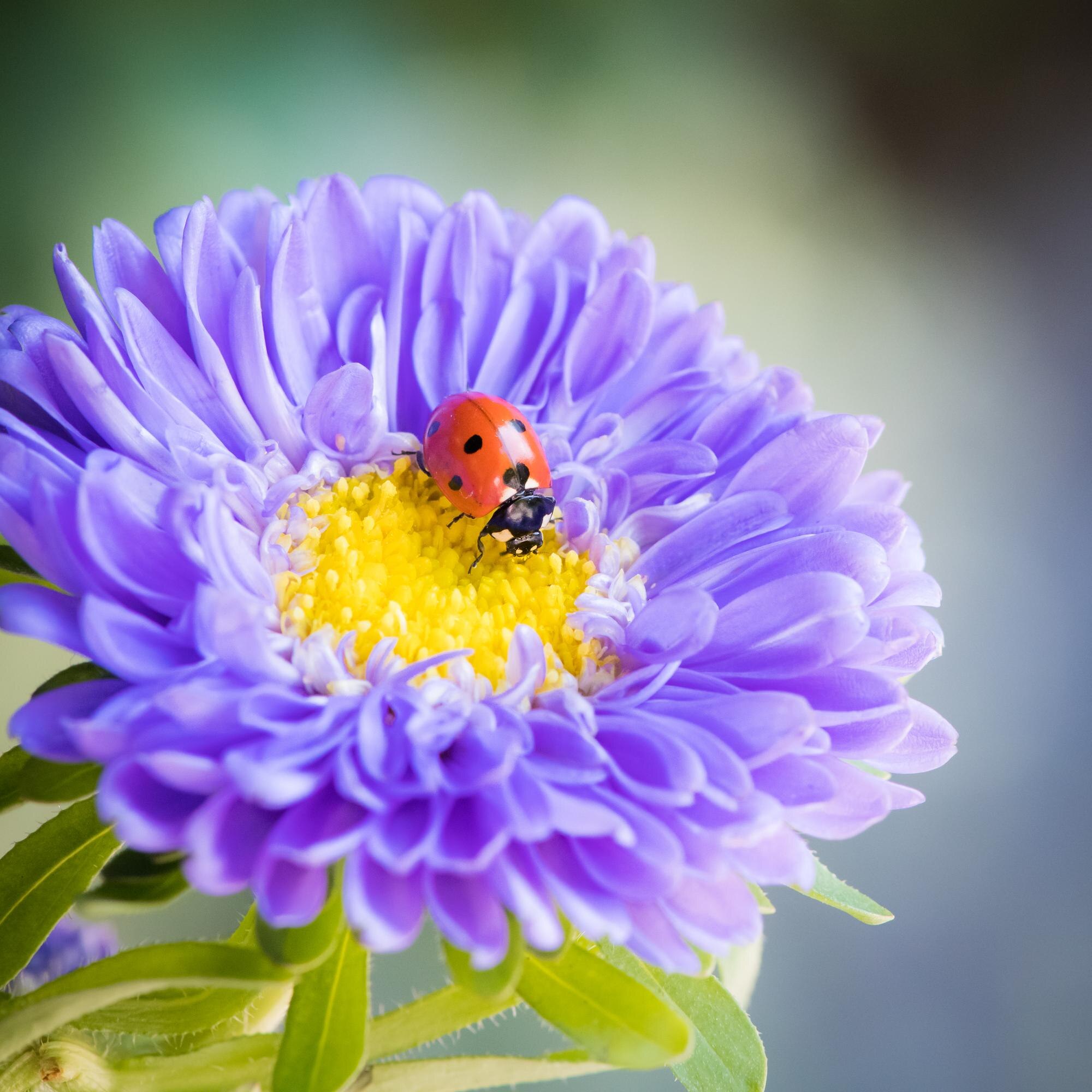
As the sun warms the soil, little creatures emerge to explore the garden. Who might you find? Let’s peek under leaves and stones to discover! Ladybirds, with their bright red shells, are a delightful sight. Did you know a single ladybird can eat up to 50 aphids a day? They’re tiny heroes in keeping your plants healthy. Then there’s the busy bee, buzzing from flower to flower. Bees are vital pollinators, ensuring our gardens bloom and our fruit trees bear fruit. And don’t forget the earthworm, wiggling through the soil. These creatures help keep our earth healthy!
Sensory Exploration for Kids
Exploring the garden isn’t just about seeing; it’s about feeling, hearing, and even smelling. Encourage your kids to touch the soft petals of flowers or listen to the gentle hum of insects. The garden’s rich, earthy scent is a treat for the nose. Ask them to close their eyes and guess the sounds they hear—a bee buzzing, the wind rustling leaves, or a bird chirping. By using all their senses, children can connect more closely with nature. This multisensory approach is especially helpful for kids who learn differently, making outdoor adventures fun for everyone!
Importance of Garden Wildlife
Every creature in your garden plays a part. From pollinators like bees to decomposers like worms, each one helps keep the garden thriving. Teaching kids about these roles can inspire a sense of wonder and responsibility. They’ll see that even the smallest actions, like caring for a ladybird or planting bee-friendly flowers, make a big difference. As you explore, remind children that these creatures depend on us to protect their home. This understanding fosters a lifelong appreciation for the environment.
Building a Bug Hotel for Children
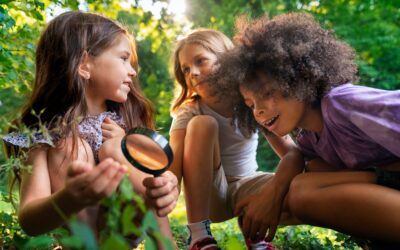
Simple Steps for Young Builders
Ready to create a cozy home for your garden friends? Building a bug hotel is a fun, hands-on project perfect for little builders. Here’s how you can start:
-
Gather Materials: Look for sticks, pine cones, and old bricks. These will make perfect bug nooks.
-
Find a Spot: Choose a quiet corner of your garden.
-
Stack and Arrange: Let kids stack materials, leaving gaps for insects to hide.
-
Observe and Learn: Check back often to see who moves in!
This project not only engages kids creatively but also teaches them about sustainability and wildlife habitats.
Eco-Friendly Materials to Use
Using recycled materials is a great way to teach children about sustainability. Encourage them to collect items like broken pots, cardboard tubes, and fallen leaves. Each piece adds to the hotel’s charm and functionality. Explain how these materials provide different textures and spaces for various insects. For example, hollow sticks are great for solitary bees. By reusing what’s around us, we reduce waste and create a welcoming space for our garden guests.
Encouraging Biodiversity for Kids
A bug hotel invites a wide range of insects, promoting biodiversity in your garden. Explain to your children how different bugs help our ecosystem. Bees and butterflies are pollinators, while beetles and woodlice break down organic matter, enriching the soil. By attracting these creatures, your garden becomes a thriving mini ecosystem, full of life and learning opportunities. Children can witness firsthand how their actions contribute to a healthy environment.
Fun and Inclusive Outdoor Learning
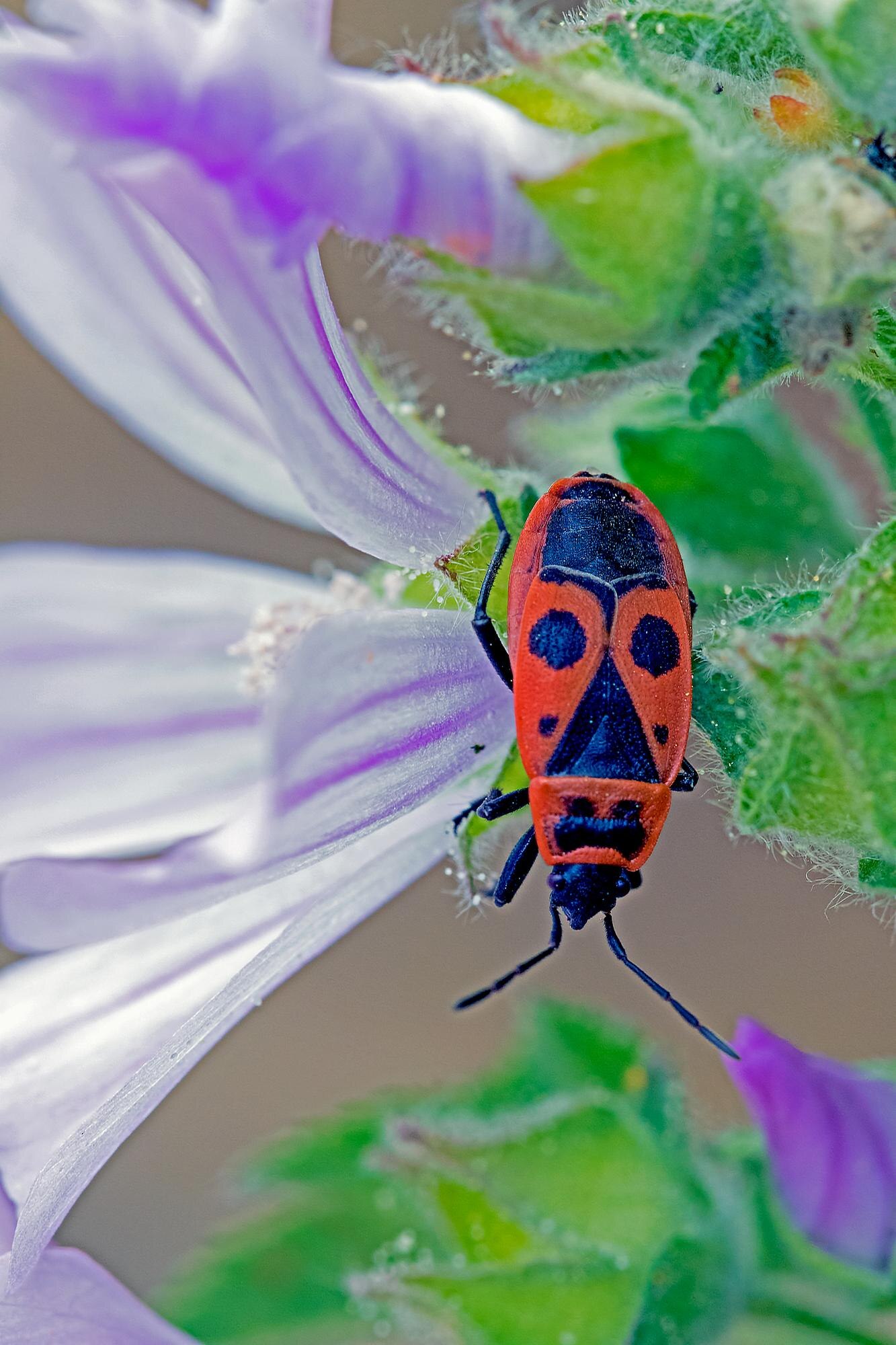
Nature Scavenger Hunt Ideas
Transform your garden into a treasure trove of discovery with a nature scavenger hunt. Create a list of items for your kids to find: a smooth pebble, a feather, or a yellow flower. This activity is not only entertaining but also educational. It encourages children to look closely at their surroundings, enhancing their observation skills. Include sensory challenges too, like finding something that smells sweet or something that feels rough. This ensures every child can engage in their own unique way.
Connecting with the Seasons
Spring is a time of change, and the garden is the perfect place to observe it. Encourage children to note the differences they see each week. Are there new flowers? Can they spot any nests? This activity teaches kids about seasonal cycles and the natural world. It’s also a great way to introduce them to weather patterns and how they affect the garden. By understanding these changes, children learn to appreciate the beauty of each season.
Inclusive Activities for All Kids
Outdoor learning offers something for every child. Whether they enjoy quiet observation or active exploration, the garden is a welcoming space. Create activities that cater to varied interests: drawing what they see, writing garden stories, or building small structures. Highlight that there’s no wrong way to enjoy nature; it’s all about discovering what they love. This approach fosters confidence and a sense of belonging, ensuring every child feels valued and inspired to learn.