How to Start a Children’s Garden at Home: A Step-by-Step Guide for Families
Starting a children’s garden at home can feel tricky, especially when you want to make it fun and easy for every little gardener. But with the right steps, your family can create a lively garden that sparks curiosity and supports KS1 learning—all while caring for nature. This guide will walk you through simple ideas for kids gardening UK style, from sunny spots to pollinator-friendly flowers. Ready to grow your own green adventure? Let’s get planting!
Choosing the Perfect Spot
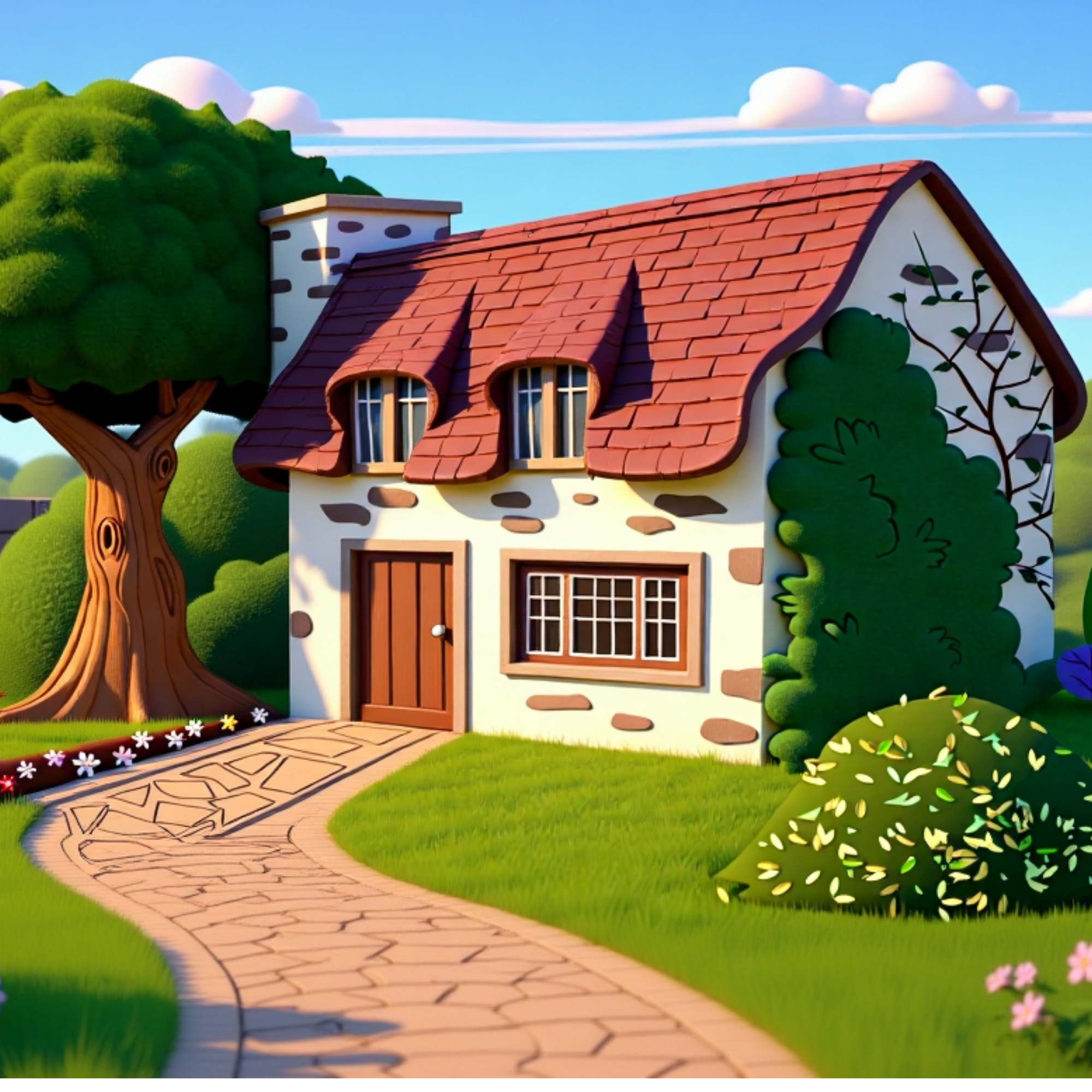
Finding the right location is the first step to creating a delightful garden for your children. Let’s explore how to maximise your space, ensuring every plant has a chance to thrive.
Finding Sunny Spaces
Sunlight is like magic for plants, making it essential to find the best spots for your garden. Start by observing your garden throughout the day. Notice where the sun shines the longest. These sunny patches are perfect for most plants, especially flowers and vegetables. Did you know that most plants need at least six hours of sunlight a day? That’s why a south-facing spot is ideal. Encourage your kids to map out these areas and decide where they’d like to plant. This way, they’re part of each step, sparking their curiosity and excitement. Remember, even small balconies or backyards can turn into vibrant gardens with the right sunny spot!
Containers vs Raised Beds
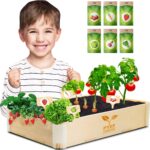
Choosing between containers and raised beds can be simple with a few considerations. Containers are versatile and great for small spaces. They let you move plants around to catch the sunlight. Plus, they’re perfect for herbs and smaller plants. Use upcycled planters like old pots or buckets for a fun, eco-friendly twist. On the other hand, raised beds are wonderful if you have a bit more room. They’re great for larger plants or a dedicated vegetable patch. They also make gardening accessible for little ones, as they can easily reach in to help with planting. Whichever you choose, both options will offer your children a hands-on gardening adventure!
Planting Basics for Beginners
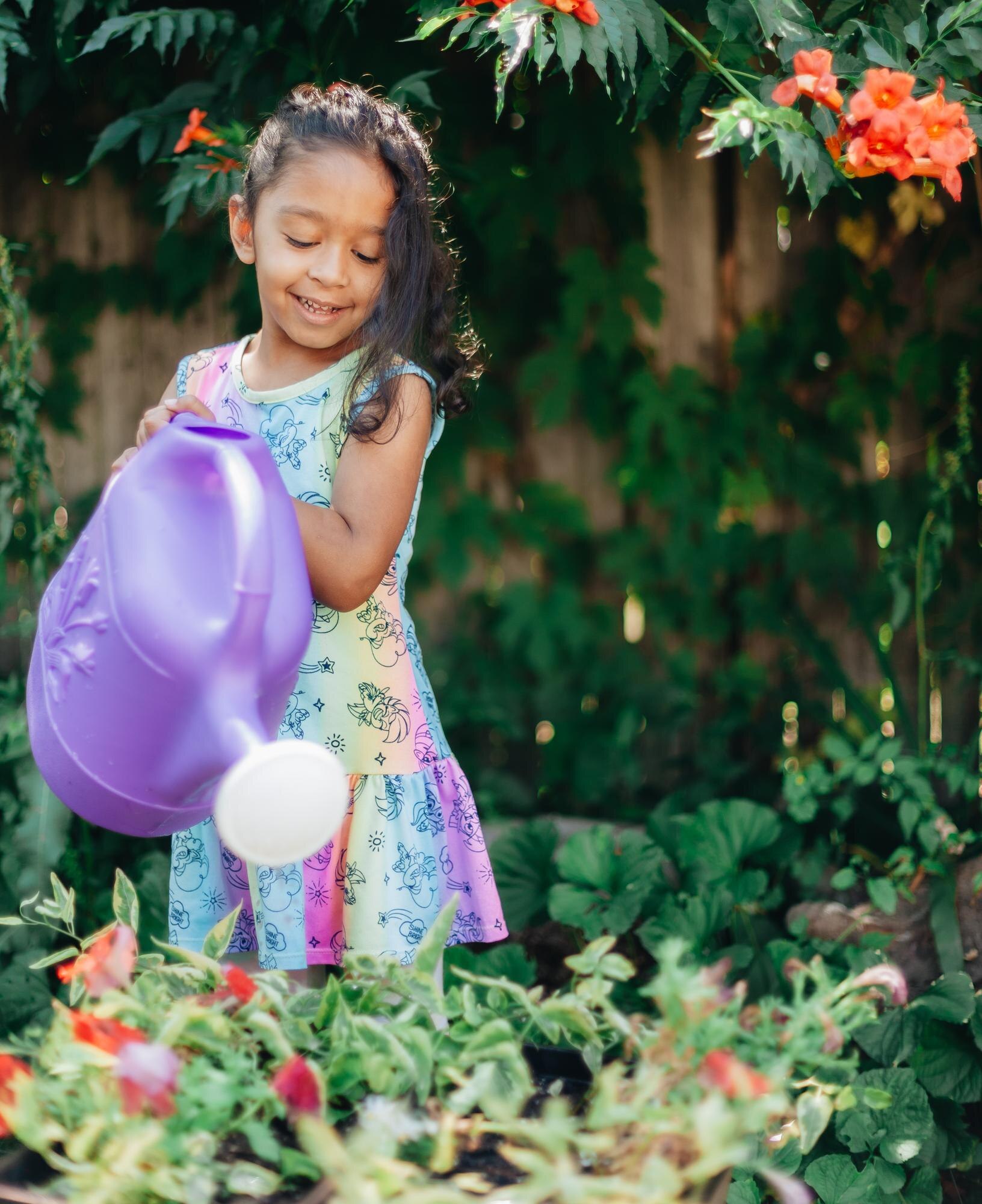
Equipped with your perfect garden spot, it’s time to dig into the basics of planting. It’s simpler than you think, and we’ll guide you through selecting the right plants and creating rich soil.
Easy Starter Plants for Kids
Starting with easy plants builds confidence in budding gardeners. Some of the best beginner plants include sunflowers, radishes, and marigolds. Sunflowers are a favourite because they grow tall and strong, almost like watching magic unfold before your eyes. Radishes germinate quickly, often showing results within a week, which keeps excitement high. Marigolds bring a splash of colour and are known to repel pests, protecting your garden. Invite your children to pick their favourites and plant seeds together. Watching the seeds sprout and grow is not only rewarding, but it also introduces them to the fascinating world of plants.
Soil and Compost with Florence
Healthy soil is the foundation of a thriving garden, and Florence the Earthworm is here to help you create it. Start with a mix of soil and compost to give your plants the nutrients they need. Composting is a fantastic way for kids to learn about recycling and the natural cycle. Encourage them to collect kitchen scraps like vegetable peels and coffee grounds to add to the compost pile. Florence will show them how worms break down these materials into rich soil. This process not only enriches the garden but also teaches children about the importance of sustainability and the role of tiny creatures in our ecosystem.
Sensory and Inclusive Garden Ideas
Making your garden inclusive and sensory-rich ensures it becomes a haven for every child. Let’s look at activities that cater to neurodiverse learners and create a buzzing pollinator paradise.
Neurodiverse-Friendly Activities
Gardening can be an excellent activity for neurodiverse children, offering sensory experiences and relaxation. Introduce activities that engage all the senses, like feeling the soil, smelling herbs, and listening to the rustle of leaves. Create a small path with varied textures, such as smooth pebbles and rough bark, for a tactile adventure. Encourage children to plant and care for their favourite herbs or flowers. This not only provides a sense of responsibility but also helps in developing focus and reducing anxiety. Remember, the garden is a space where every child can explore at their own pace and enjoy the wonders of nature.
Pollinator Patches with Queenie 🌻
Creating a pollinator patch helps support local wildlife while adding life to your garden. Bees, butterflies, and other pollinators are vital for healthy ecosystems. Queenie the Bee recommends planting flowers like lavender, foxglove, and daisies. These are perfect for attracting pollinators in the UK. Teach your children about the importance of bees and how they help gardens flourish. Watching these creatures in action can be a magical experience, fostering a deep appreciation for nature. By planting pollinator-friendly flowers, you’re not only beautifying your garden but also supporting biodiversity and teaching invaluable lessons about the interconnectedness of life.
With these steps, your family is well on its way to nurturing a flourishing children’s garden. By blending learning with fun, you’re cultivating a love for nature that can last a lifetime. Happy gardening!
Join Our Club https://www.danthegardener.com/dan-the-gardener-friends-club/