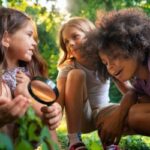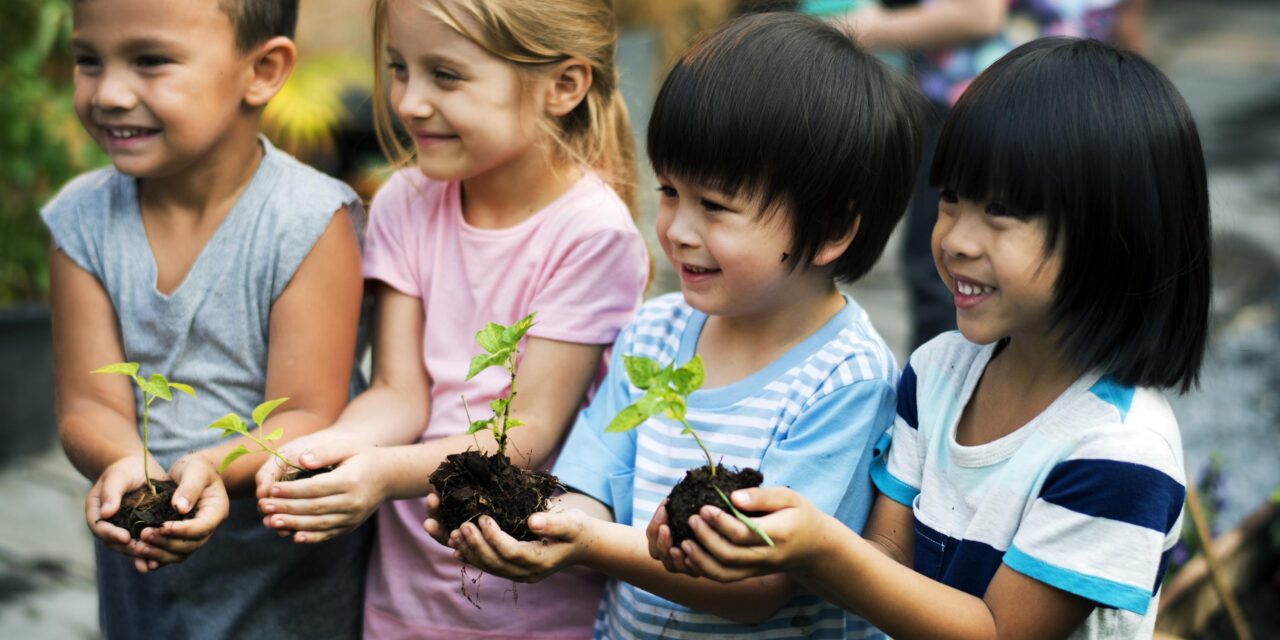
Forget the usual Earth Day crafts that end up in a drawer! This year, you can spark real wonder with Earth Day activities for kids UK that bring nature to life. Imagine your little ones planting seeds, building bug hotels, and exploring sensory nature play—all designed just for children aged 4 to 9. Ready to make Earth Day joyful and meaningful? Let’s explore 12 simple, playful eco activities KS1 families will love!
Joyful Earth Day Adventures
Eco Activities for Little Ones 🌱
Imagine a day filled with laughter and exploration. Earth Day is the perfect time to introduce your little ones to the wonders of our planet. Through simple yet engaging activities, children can learn about nature and how to care for it.
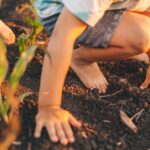
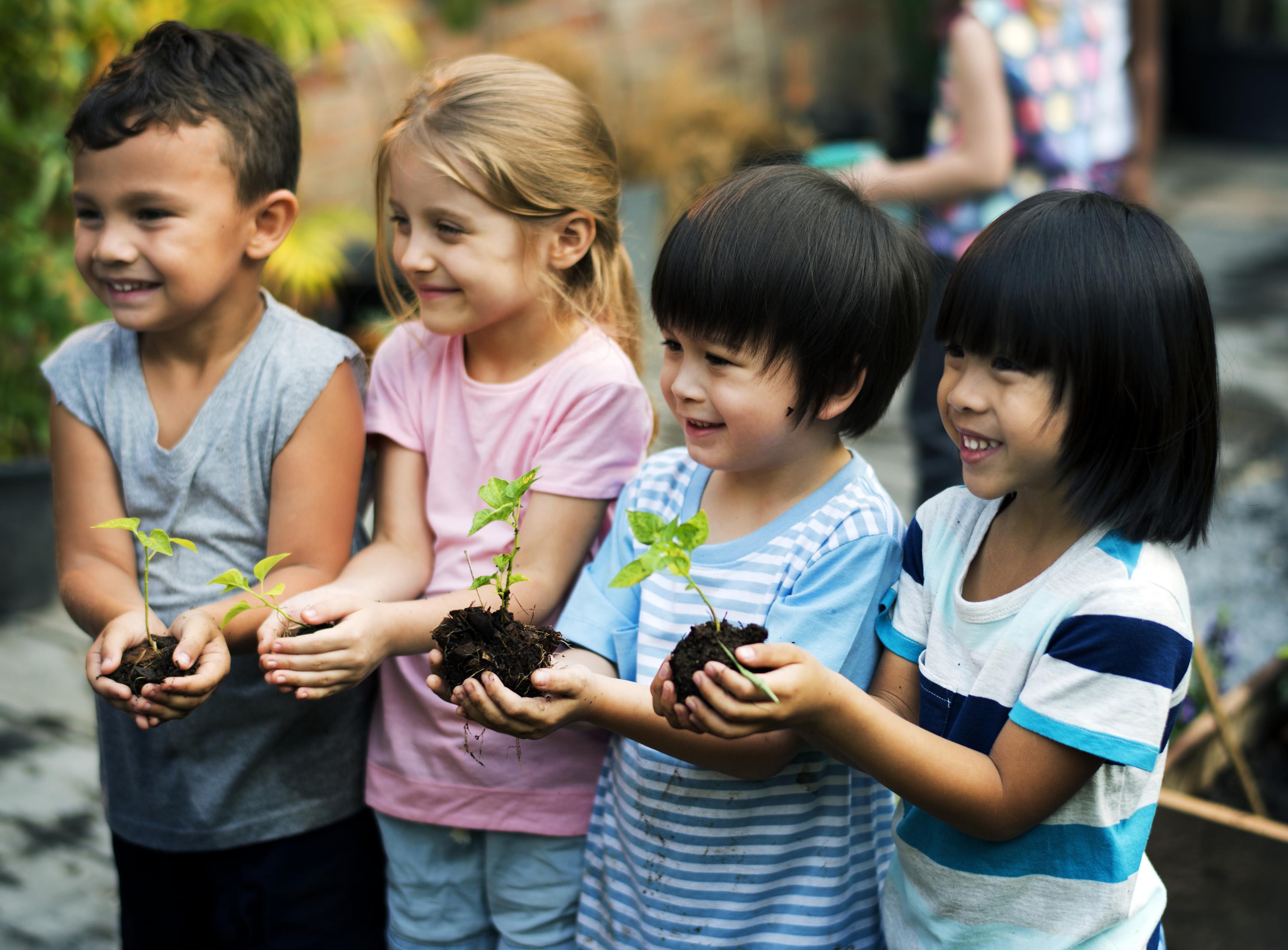
Planting seeds is a wonderful way to start. You can find a small pot, some soil, and let your child choose the seeds. Watching plants grow is magical for kids. They learn patience and responsibility as they water their little garden every day. Another fun idea is to create a nature treasure hunt. Write a list of items to find, like a feather, a smooth stone, or a flower petal. Your garden or local park is the perfect place to explore. Lastly, try a sound safari. Have your children close their eyes and listen. Can they hear the birds? The wind rustling leaves? This exercise helps them appreciate the world around them.
Sensory Nature Play Ideas 🌿
Let’s dive into a world of sensory play where children can touch, smell, and see nature at its best. Sensory activities are not only fun but also enhance learning and development.
Create a tactile nature table. Gather items like pinecones, leaves, and flowers. Let your child explore different textures and smells. You can also make nature-inspired play dough. Add herbs or flower petals to homemade play dough for a fragrant twist. Encourage your little ones to shape the dough into animals or plants. A mud kitchen is another fantastic idea. Set up a small outdoor area with kitchen utensils and let the children play with mud. It’s messy, but it’s a great way for kids to connect with the earth.
Sustainable Family Fun Tips 🌍
Sustainability can be part of family fun. Here’s how small actions can lead to big changes for our planet, all while having a great time together.
Host a family recycling challenge. Set up bins for different materials and see who can fill theirs the fastest. This teaches kids about recycling while encouraging teamwork. Plan a no-waste picnic. Use reusable containers and cloth napkins, and try to leave no trace behind. Lastly, make homemade bird feeders using pinecones and peanut butter. Hang them outside and watch the birds visit. It’s a delightful way to learn about local wildlife.
Celebrate Nature with Creativity
Recycling Crafts for Children ♻️
Turn everyday items into treasures with these recycling crafts. Children will love creating, and it’s a fantastic way to teach them about the Three Rs: Reuse, Reduce, Recycle.
Start with a simple bird feeder. Use an empty milk carton, cut a hole for the birds, and decorate it with paint or stickers. It’s a craft that helps nature too! Another idea is to make a cardboard tube telescope. Decorate it with colours and glitter, and encourage your child to imagine a world of wonder. You can also craft a paper mache bowl using old newspapers and glue. It’s a messy activity, but the results are worth it. Children can use their bowls to hold their treasures.
Bee-Friendly Garden Ideas 🐝
Bees are crucial to our ecosystem. Let’s create a garden that invites bees and teaches children about these amazing pollinators.
Planting bee-friendly flowers is a great start. Lavender and daisies are beautiful options that attract bees. Explain to your children why bees are important and how their garden helps. You can also make a bee bath. Fill a shallow dish with water and add pebbles, so bees can land safely. This simple project teaches kids about compassion for all creatures. Lastly, consider building a mini bee hotel using bamboo canes. Arrange the canes in a wooden box and place it in the garden. Children will love watching the bees come and go.
Bug Hotel Instructions for Kids 🐞
A bug hotel is a wonderful project that supports biodiversity in your garden. It’s easy to make and provides a home for insects.
Start by gathering materials like twigs, leaves, and small stones. Use an old wooden box or create a frame with sticks. Let your child fill the compartments with different materials to attract various bugs. Place the bug hotel in a quiet corner of the garden. Encourage your child to check on it regularly. They’ll be fascinated by the tiny guests moving in. This project is an excellent way to teach children about the role insects play in our ecosystem.
Gardening and Outdoor Learning
Seed Planting with Children 🌻
Gardening is a great way to teach kids about the environment and responsibility. Seed planting is an easy activity with rewarding results.
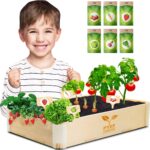
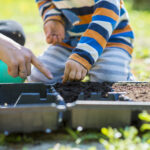
Choose quick-growing seeds like sunflowers or beans. Provide small pots and soil, and let your child do the planting. Make it fun by decorating the pots with paint or stickers. Explain how plants need sunlight and water to grow. Encourage your child to check their plants daily, observe changes, and measure growth. This activity not only teaches patience but also the science of life cycles.
Composting for Kids Explained 🍂
Composting is an incredible way to reduce waste and enrich your garden soil. It’s a hands-on lesson in natural recycling.
Begin with a small compost bin. Explain what can go into it: fruit peels, veggie scraps, and garden clippings. Avoid meat and dairy to keep it healthy. Let your child help by adding scraps and turning the compost with a small shovel. Discuss how microbes break down the materials into nutrient-rich soil. After a few months, use the compost in your garden. Kids will feel proud knowing they helped create something valuable from waste.
Inclusive Nature Learning 🌳
Nature is a welcoming classroom for every child. Here’s how to make outdoor learning inclusive and enjoyable for all.
Create a sensory garden with plants that engage all senses. Include fragrant herbs, colourful flowers, and plants with interesting textures. Encourage children to explore at their own pace. Use storytelling to make learning relatable. Share tales of plants and animals, and let children imagine their own nature stories. Finally, ensure your garden is accessible to everyone, with clear paths and spaces for play. Nature learning should be a joyful experience for every child.