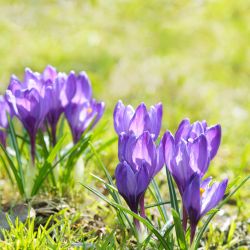
Spring is the perfect time to welcome little hands into the garden and watch curiosity bloom. Creating a child-friendly garden at home means setting up a safe, colourful space where children can explore, learn, and grow alongside nature. From quick-growing seeds to bee-friendly flowers, we’ll guide you through simple steps to craft a garden that suits every child’s way of learning and playing. Ready to make spring gardening with children a joyful adventure? Let’s get started!
Setting Up Your Child-Friendly Garden
Ready to transform your backyard into a wonderland for young explorers? Let’s dive into the essentials of choosing the right spot and plants for your garden.
Choosing a Sunny, Safe Spot
Imagine a space where sunlight dances through the leaves, inviting your kids to explore. Select an area that enjoys a good amount of sun each day. Safety is key, so check for any hazardous plants or sharp objects. Fences or natural barriers can keep the little adventurers safe. It’s also a great idea to keep the garden visible from your kitchen window, so you can watch them while they play.
Perfect Plants for Little Hands
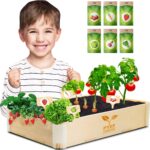
For a garden that excites young minds, choose plants that are easy and quick to grow. Sunflowers, beans, and marigolds are delightful choices. They grow fast and provide a visual treat. Consider bee-friendly flowers like lavender and daisies, which attract pollinators and teach children about the wonders of nature. Raised beds can be great for smaller spaces, allowing children to plant seeds with ease.
Simple Sensory Corners 🌿
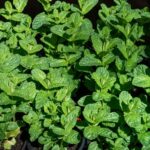
Create spots in the garden where children can engage all their senses. A patch of herbs like mint or rosemary can offer delightful scents. Include textured plants such as lamb’s ear for a soft touch. A small water feature or wind chime can add soothing sounds, making the garden a peaceful retreat. Encourage children to explore these areas, fostering a deep connection with nature.
Fun Gardening Activities for Kids
Once your garden is set up, it’s time to engage kids with exciting activities that make gardening fun!
Seed Starting with Kids 🌱
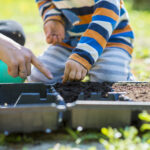
Starting seeds is a magical process for children. Grab some seeds, soil, and trays, and let them plant. Discuss how seeds need water, light, and warmth to grow. It’s a great way to teach patience as they watch their little plants emerge. You can even track growth with a simple chart, noting how tall each plant gets over time.
Upcycled Planters for Kids ♻️
Turn trash into treasure by using old containers as planters. Plastic bottles, tin cans, and egg cartons can become quirky plant homes. Let kids decorate them with paint or stickers, making each planter unique. This activity not only sparks creativity but also teaches the importance of reusing materials to reduce waste.
Gardening Safety for Children 🧤
Safety first! Equip your children with gloves and hats to protect them while they garden. Teach them about the importance of washing hands after gardening. Discuss which plants are safe to touch and which are not. Supervised gardening can be a delightful learning experience, helping them understand the balance between fun and safety.
Eco-Friendly Practices and Learning
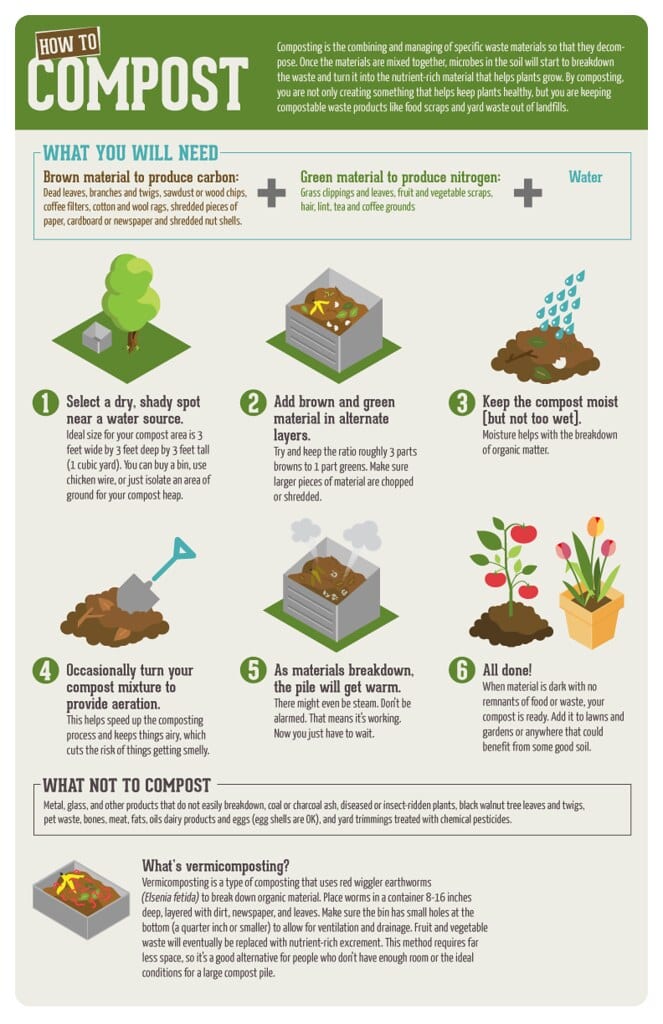
Gardening is not just about growing plants; it’s a platform for teaching sustainable practices.
Reuse, Reduce, Recycle Crafts
Encourage children to think green with simple crafts. Collect leaves and twigs to make art projects. Use old newspapers to make biodegradable plant pots. These activities instil a love for the environment and a habit of thinking creatively about recycling.
Pollinator Plants for Children 🐝
Teach kids the importance of bees and butterflies by planting pollinator-friendly plants. Flowers like zinnias and cosmos can attract these creatures, making your garden a lively spot. Observe how these pollinators interact with flowers, sparking curiosity and learning about the ecosystem.
Outdoor Learning Ideas for KS1 📚
Integrate learning into your garden activities with educational games. Create a scavenger hunt where children find different plants or insects. Use a magnifying glass to explore the tiny details of leaves and bugs. Such activities make learning exciting, ensuring that children connect what they see with what they learn in school.
With these steps, your garden will not only flourish with plants but with the joy and curiosity of young minds as well. Happy gardening!