Forget the idea that learning only happens at a desk. Gardening for children UK opens a world where play, movement, and curiosity grow together. Watch your child’s imagination spark as they dig, measure, and explore nature’s secrets right outside your door. Ready to see how simple garden activities build KS1 skills while celebrating every child’s unique way of learning? Join Dan the Gardener & Friends Club for free and start your garden adventure today!
Gardening for Curious Minds
Playful Learning in the Garden
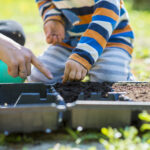
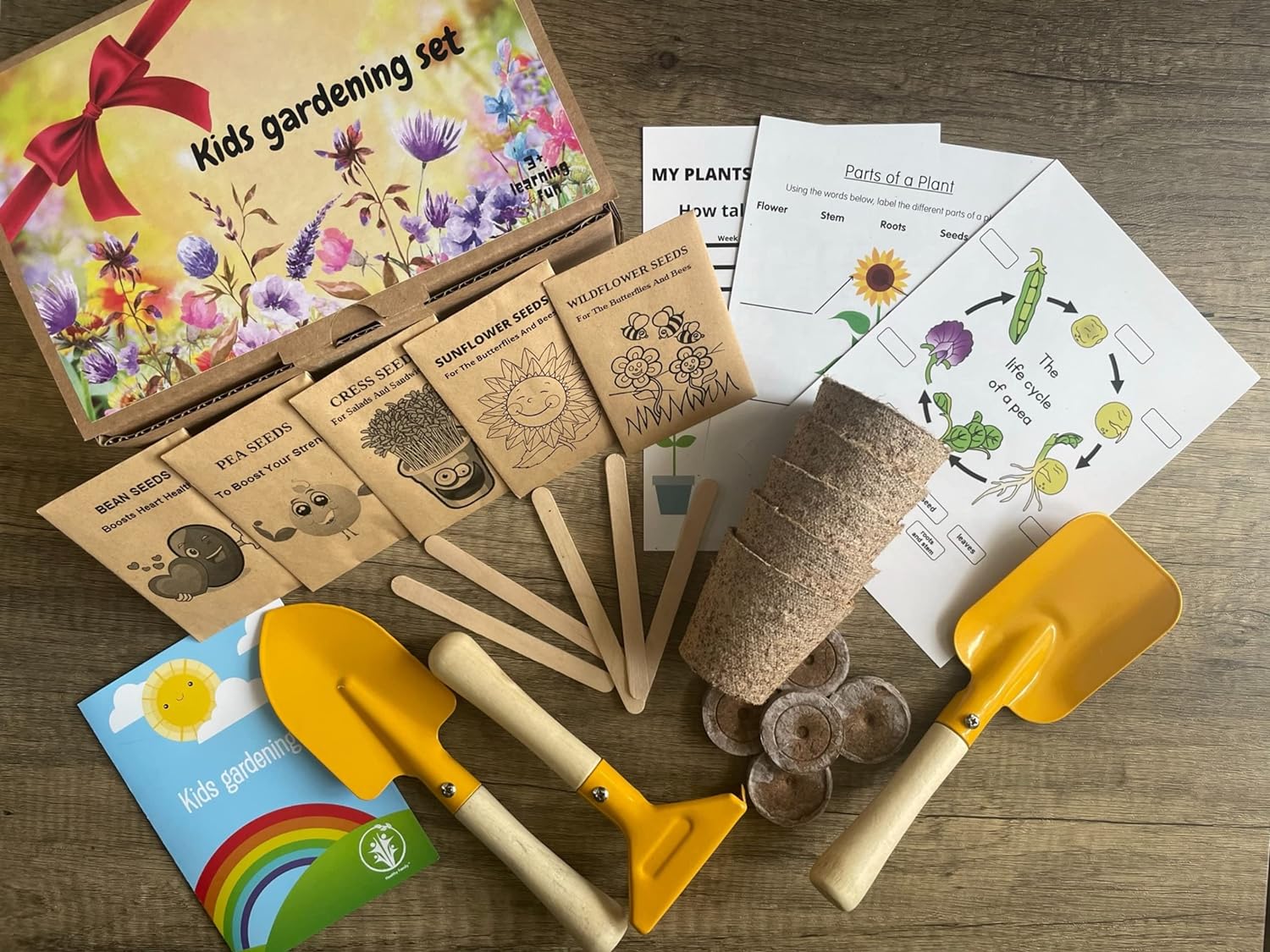
Imagine a world where children learn through play, surrounded by the wonders of nature. In the garden, learning comes alive with every curious dig and joyful discovery. A simple activity like planting seeds can teach kids about life cycles and growth.
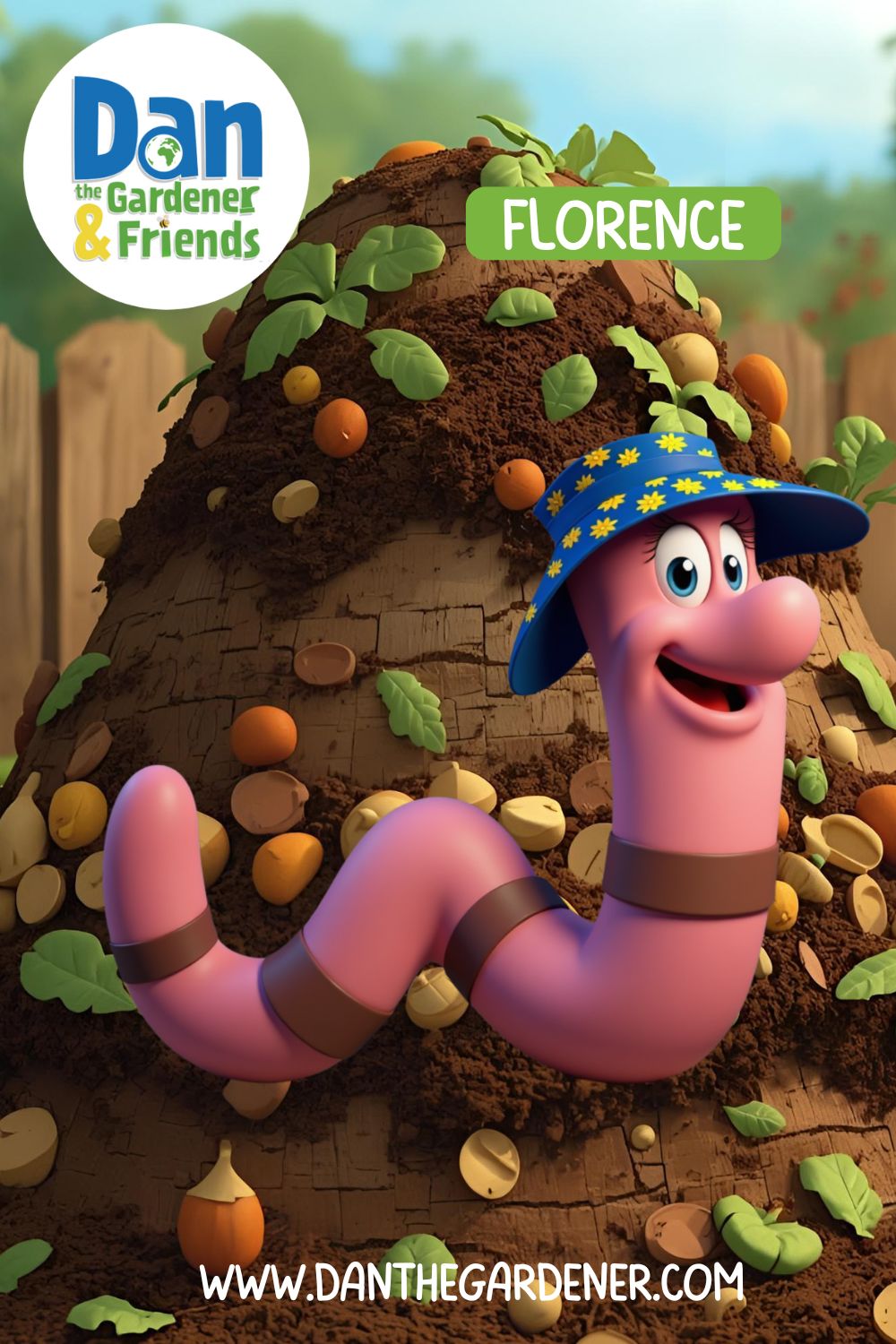
Consider the joy of finding a wiggly worm. It’s a chance to talk about how worms help the earth breathe. Your child might not even realise they’re learning science as they observe and question. Learning through play in the garden makes lessons stick because they’re wrapped in fun.
Boosting Curiosity with Nature
Nature naturally sparks curiosity. Each flower, leaf, and creature offers a new question to explore. As children play in the garden, they learn to look closer and wonder why things are the way they are. This curiosity fuels learning.
Have you ever seen a child’s eyes light up when they find a ladybug? That’s curiosity in action. Ask them why ladybugs are colourful, and you’ve opened a door to a world of knowledge. Gardens nurture this natural curiosity and turn it into a lifelong love of learning.
Encouraging Questions and Exploration
Questions are the heart of learning. Gardens encourage children to ask why and how, pushing them to explore further. When kids wonder why the sunflower turns to face the sun, they’re engaging with science.
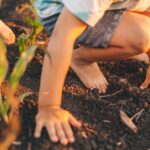
Exploration leads to discovery. A child digging in the dirt might stumble upon a hidden bug or an unusual plant. These moments teach kids to think critically and creatively. In a garden, every question is a step toward understanding the world.
Fun Activities for Little Gardeners
Cress Hair Heads Craft
Creating cress hair heads is a delightful way to introduce children to gardening. With just egg shells, cress seeds, and some soil, kids can grow their own quirky characters. It’s a simple craft that brings gardening right to your kitchen table.
Start by letting your child draw faces on empty egg shells. Fill them with soil and sprinkle cress seeds on top. As the seeds sprout, they’ll form funny hair for the egg heads. Kids will love watching their creations grow, learning about plant life cycles in the process.
Measuring Sunflowers Adventure
Sunflowers offer a grand adventure in measuring and growth. Plant a few sunflower seeds with your child, and watch their amazement as these giants reach for the sky. It’s a brilliant way to integrate maths into outdoor learning.
Each week, grab a tape measure and track the progress of the sunflowers. Ask your child to predict how tall they will grow. This activity not only teaches measurement but also encourages kids to make predictions and check their accuracy.
Bug Hotel Building Fun
Building a bug hotel is an exciting project that supports biodiversity. It’s simple: use recycled materials like wood, bamboo, and leaves to create a haven for insects. This hands-on activity lets kids learn about the important role bugs play in the ecosystem.
Encourage your child to decorate the bug hotel, making it inviting for tiny guests. As they build, talk about the different bugs that might visit. This project nurtures creativity, problem-solving, and an appreciation for nature’s little helpers.
Inclusive Gardening for All
Neurodiverse-Friendly Activities
Gardens are a haven for neurodiverse children, offering a sensory-rich environment that supports varied learning styles. Activities like digging, planting, and watering can be calming and focus-enhancing.
For children with ADHD, the freedom to move and explore without restrictions is invaluable. Encourage them to create their own garden plot, giving them ownership and a sense of responsibility. This hands-on learning approach celebrates diverse strengths and abilities.
Mindful Gardening with Jasmine
Jasmine, a character from Three Little Woods, shows the beauty of slowing down. Her gentle approach to gardening teaches mindfulness and appreciation. Invite your child to sit quietly and observe the garden, noticing the sounds, colours, and textures around them.
Mindful gardening encourages children to be present and appreciate the moment. It’s a valuable tool for managing stress and fostering a deep connection with nature. Through Jasmine’s example, kids learn that patience and observation can be powerful.
Sensory Play Outdoors 🌱
The garden is the ultimate sensory playground. From the smell of fresh herbs to the feel of soil between fingers, sensory play outdoors stimulates all five senses. Encourage your child to explore different textures, like soft moss or rough bark.
Creating a sensory path with various materials can enhance this experience. Use pebbles, sand, water, and leaves to create a pathway for children to walk on barefoot. This sensory-rich environment supports learning and development in a playful, engaging way.
Gardens are a magical place for children to learn, explore, and grow. By embracing simple garden activities, you’re opening a world of discovery and joy for your little ones.
Join Our Club https://www.danthegardener.com/dan-the-gardener-friends-club/