How to Start a Children’s Spring Garden: Simple, Fun Steps for Families to Grow Together
Starting a children’s spring garden in the UK can feel tricky, especially when you want it to be fun, eco-friendly, and full of learning moments. Many families and teachers wonder where to begin or which seeds are easiest for little hands. This guide shares simple, joyful steps to spark your child’s curiosity, nurture their confidence, and connect gardening with KS1 learning — all while caring for our buzzing friends and blossoming wildflowers. Ready to grow together? Join the Dan the Gardener & Friends Club for free today and get instant access to our Bumper Activity Pack filled with crafts, games, and recipes. Please follow us!
Creating Your Spring Garden
Creating a garden that sparks joy and learning doesn’t have to be hard. Let’s start with a sunny spot where your little gardeners can dig and discover.
Choosing a Sunny Spot
The key to a thriving garden is finding the right location. Look for a place that receives at least six hours of sunlight a day. This will ensure your plants grow strong and healthy. Check the ground: is it easy to dig? If not, consider raised beds or pots. You can even use old containers. Remember, the spot should be accessible for your child, making it easier for them to help.
Creating a garden map can be a fun way for kids to plan. Let them draw where each plant will go. This little project can excite them about the gardening journey ahead.
Picking Easy Starter Seeds
Choosing seeds for small hands is a big step. Start with fast-growing varieties like radishes, peas, or sunflowers. Sunflowers are a favourite: they grow tall and fast, making them perfect for a fun challenge. Peas are also great as they can be eaten straight from the garden.
Explain to your little one how seeds turn into plants. This simple lesson links to KS1 learning, making the garden educational as well as fun.
Windowsill Gardening Ideas
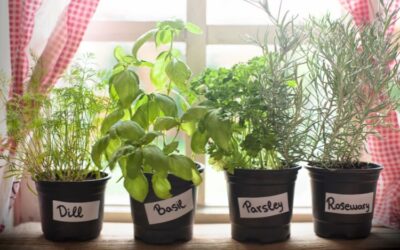
Not enough space outside? No problem! Windowsill gardening is perfect for small spaces. Try herbs like basil or chives. They’re easy to grow and can be used in cooking.
Create a mini-greenhouse using recycled plastic bottles. This keeps plants warm and moist. Kids will love watching their seedlings sprout right before their eyes, making gardening possible all year round.
Fun, Eco-Friendly Garden Projects
Gardening is not just about plants. It can also be a creative playground. Let’s explore some projects that combine fun with eco-friendly practices.
Upcycling Plant Pots with Kids
Turn everyday items into plant pots. Old shoes, tin cans, or even broken toys can find new life as planters. This teaches kids about recycling and creativity.
Paint the pots together to make them special. Let your child’s imagination run wild with colours and patterns. This activity shows how reducing waste can be fun and beautiful.
Sensory Garden Ideas for Children
A sensory garden is a wonderful way to engage all of your child’s senses. Include plants with different textures and scents, like lavender or lamb’s ear. These can be calming and encourage exploration.
Add wind chimes or a small water feature for sound. Let children touch, smell, and listen. This garden becomes a peaceful retreat, ideal for neurodiverse learners and all children.
Reduce Reuse Recycle Crafts
Crafting with recycled materials shows how we can care for our planet. Collect items like bottle caps, egg cartons, and paper tubes. These can be turned into garden labels or bug hotels.
Involve your child in creating these crafts. It fosters creativity and teaches the importance of reducing waste. Each craft is a step towards a greener world.
Encouraging Nature Exploration
Gardens are alive with learning opportunities. Encourage your child’s curiosity with hands-on activities that connect them to nature.
Wildlife Care in Your Garden
Invite wildlife into your garden by creating habitats. Bird feeders, bee hotels, and hedgehog homes make great projects. They teach children about the importance of caring for wildlife.
Explain how bees and birds help our gardens grow. It’s a simple way to show how everything in nature is connected, promoting a love for the environment.
Measuring Plant Growth KS1
Incorporate maths into gardening by measuring plant growth. Use rulers or tape measures to track how tall plants grow over time. Keep a garden diary to record these observations.
This activity helps children practice counting and measuring, linking to KS1 curriculums. It’s a practical and engaging way to learn.
Quick Wins to Keep Kids Motivated
Gardening can be slow, so quick wins keep kids excited. Fast-sprouting seeds or instant results, like making bird feeders, are great choices.
Celebrate each small achievement. Whether it’s a sprout popping up or a bird visiting, these moments keep motivation high and spirits bright.
Inspire your family to engage with nature by starting a spring garden. With these simple steps, you’re not just planting seeds; you’re growing future stewards of our planet. Remember, small changes can make a big difference! Please follow us to learn more about fun eco-friendly activities.