Spring in Three Little Woods: What’s Changing?
Spring is tiptoeing into Three Little Woods, and the garden is buzzing with new life! You’ll spot daffodils nodding happily and bees like Queenie fluttering from bloom to bloom. Join Dan and friends to spot the signs of spring UK and try fun spring nature activities that bring science and stories alive for your little ones. Ready to plant bulbs with kids and watch nature’s magic unfold? Keep reading for simple ways to welcome spring into your home and classroom!
Signs of Spring in Three Little Woods
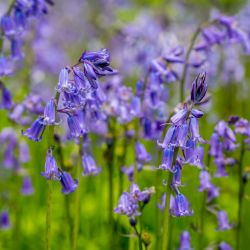
As the days grow longer and brighter, the transformation in Three Little Woods is magical. This season is a perfect opportunity to engage children with the wonders of nature by exploring the vibrant changes around them.
Buds, Blossom, and Bees
The garden is waking up! Look closely, and you’ll see buds on trees starting to burst into blossom. These delicate pinks and whites are more than just pretty; they signal the start of a new life cycle for many plants. Bees, such as our friend Queenie, are busy buzzing from flower to flower, collecting nectar. Did you know that bees are crucial for pollination? Without them, many of our favourite fruits and veggies wouldn’t grow. So next time you spot a bee, remember it’s doing an important job!
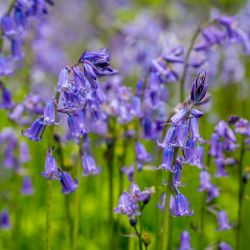
Spring is also the time to spot bright daffodils and bluebells. These flowers are not only beautiful but also an essential food source for early pollinators. Encourage your kids to be gentle observers, noticing the different colours and shapes that each blossom brings.
Spring Wildlife in the UK
Spring brings new life! Look out for baby animals like lambs in fields and ducklings paddling in local ponds. It’s a wonderful time to teach children about animal life cycles. For instance, frogs begin as tadpoles before growing legs and hopping onto land. How many different birds can you spot? Listen for the cheery songs of robins and blackbirds welcoming the season.
Did you know that hedgehogs wake up from hibernation in spring? Encourage children to look for signs of wildlife in their gardens. Remember, leaving out fresh water and a little food can help support these creatures.
Eco-Friendly Family Activities
Spring is the perfect time to embrace eco-friendly family activities. Start by creating a small compost bin for your kitchen scraps. This not only reduces waste but provides rich soil for your garden. Get crafty by making a bird feeder from a recycled bottle. It’s a fun project that helps birds find food as they build nests.
Family walks in the woods can turn into treasure hunts for natural items like leaves and twigs. These can later be used for creative art projects at home. Remember, the little changes we make add up to big differences for our planet.
Engaging Kids with Nature
Connecting children with nature can spark curiosity and creativity. Let’s explore how we can make the most of the outdoors, turning every moment into an educational experience.
Gardening with Children
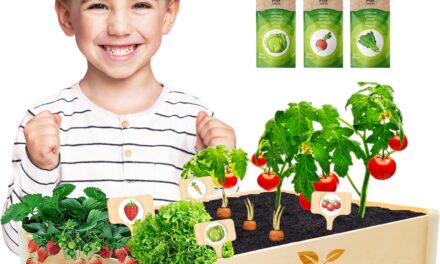
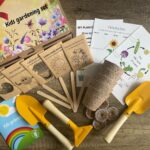
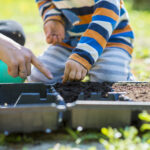
Gardening is a hands-on activity that kids adore. Start with something simple, like planting sunflower seeds. These grow quickly, giving children a sense of achievement. Encourage them to measure and note the plant’s growth weekly. This not only teaches responsibility but integrates elements of Key Stage 1 science.
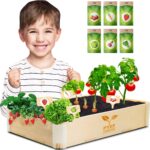
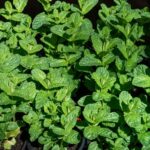
You can also create a small vegetable patch. Radishes and lettuces are fast-growing and can be harvested within weeks. This teaches children where food comes from and the joy of eating something they’ve grown themselves.
Nature Mindfulness for Children
Nature offers a perfect setting for mindfulness. Next time you’re outside, ask your children to close their eyes and take five deep breaths. What can they hear? Birds chirping, leaves rustling, maybe even a distant dog barking. This exercise helps them focus and relax.
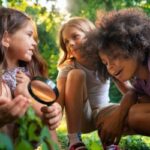
Encourage them to slow down and observe the world around them. Can they spot ants marching or clouds changing shape? These simple activities foster a deeper connection with the environment.
Inclusive Learning in the Outdoors
Nature is an inclusive classroom where every child can learn at their own pace. For neurodiverse children, the outdoors offers a sensory-rich experience without the constraints of a traditional classroom. Encourage exploration: let them feel different textures, from rough tree bark to soft petals.
Outdoor learning also promotes social interaction. Working together to build a mini bug hotel or plant a garden encourages collaboration and communication. Every child, regardless of their learning style, can find joy and inspiration in nature.
Creative Spring Activities
Unleash your creativity this spring with activities that blend fun and learning. Get your hands dirty and let your imagination bloom!
Planting Bulbs with Kids
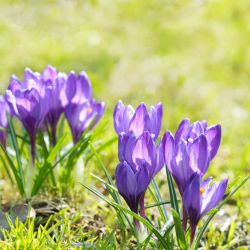
Planting bulbs is a fantastic way to teach children about patience and growth. Choose easy-to-plant bulbs like tulips or daffodils. Show your child how to dig a hole, place the bulb, and cover it with soil. Then, wait for the magic to happen as the first green shoots appear!
This activity also provides a great opportunity to talk about what plants need to grow: sunlight, water, and love. It’s a simple yet impactful lesson in nature’s cycles.
Bird Feeder from Recycling
Turn a simple plastic bottle into a bird feeder! Start by cutting a small hole in the bottle, then insert a wooden spoon just below it. Fill the bottle with birdseed, hang it in the garden, and watch as birds come to visit. This activity is not only fun but teaches children about the importance of recycling and caring for wildlife.
Encourage them to keep a journal of the different birds they see. Over time, they’ll learn to identify various species, enhancing their observation skills.
Mini Bug Hotel Creation 🐝🌼
Create a mini bug hotel using items you have at home. Gather twigs, pine cones, and leaves. Stack them in a small box or old pot, creating cozy nooks for insects to hide. This simple project highlights the importance of biodiversity, showing children how every creature has a role in our ecosystem.
Children will love checking back to see who has moved in. It’s a living lesson in the balance of nature and the beauty of small ecosystems working together.
Spring in Three Little Woods is all about discovering and learning. By engaging with these activities, you’re not only teaching your children about nature but also fostering a lifetime of curiosity and care for our planet.