From Seed to Sprout – A Simple Science Lesson for Spring
Spring’s first signs are here, and it’s the perfect moment to watch tiny wonders unfold! Join Dan, Jake, and Jasmine as they show you how to grow beans with kitchen roll in a simple bean in a jar experiment. This hands-on spring science lesson UK links beautifully to KS1 plant science, making germination for kids a joyful discovery. Ready to see how seeds wake up and turn into sprouts? Keep reading and start your own windowsill gardening for children today!
Setting Up Your Spring Science Adventure
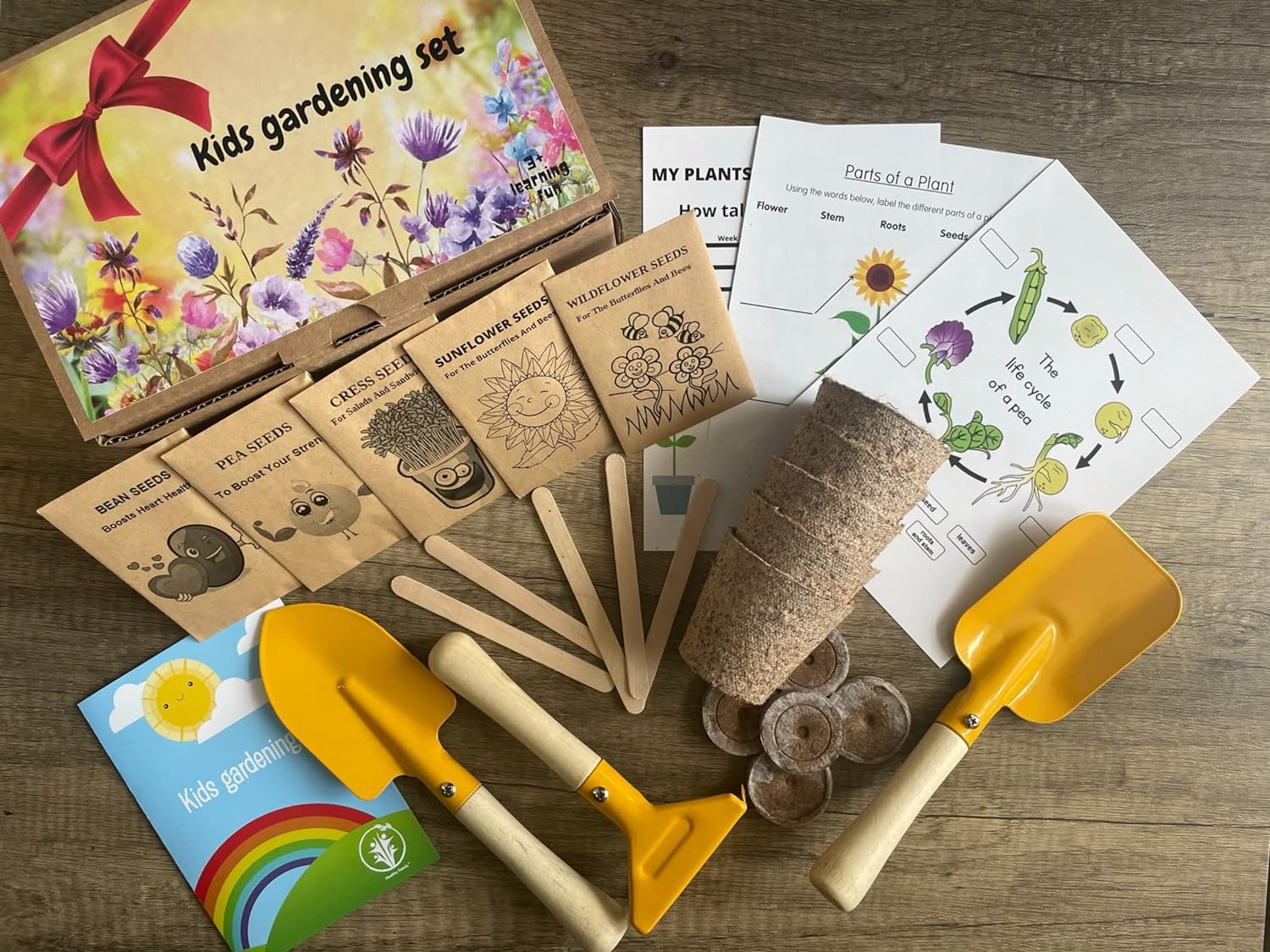
Get ready to turn your windowsill into a mini garden with our simple and fun activities! We’re diving into two exciting plant experiments. These will bring the joy of nature right into your home.
Bean in a Jar Experiment
Let’s start with the bean in a jar experiment. This is an excellent way for kids to see how seeds grow. Begin by gathering your materials: a clear jar, a few beans, and some kitchen roll. First, dampen the kitchen roll and place it inside the jar, covering the sides. Next, tuck the beans between the glass and the roll. Ensure they have enough space to sprout. Place the jar on a sunny windowsill and watch the magic unfold!
Each day, take a peek at your beans. Soon, you’ll notice the seed coat splitting, revealing a small shoot. This is called germination. Keep the kitchen roll moist, and in no time, you’ll see roots and shoots growing. This process is a fantastic way to engage children with nature-based learning, providing a visual and hands-on experience of seed germination.
Speedy Cress for Quick Wins
For a faster-growing experiment, try cress seeds. Grab a shallow dish, some cotton wool, and a packet of cress seeds. Spread the cotton wool across the dish, ensuring it’s damp but not soggy. Sprinkle the cress seeds evenly over the top. Now, place the dish on a bright windowsill and wait. Within just a few days, you’ll see tiny green sprouts peeping through.
Cress grows quickly, providing almost instant gratification for young gardeners. This activity not only teaches kids about plant growth but also allows them to enjoy the fruits of their labour. You can snip the cress and add it to salads or sandwiches, making it a delicious and nutritious reward for their efforts.
Understanding Seeds and Germination
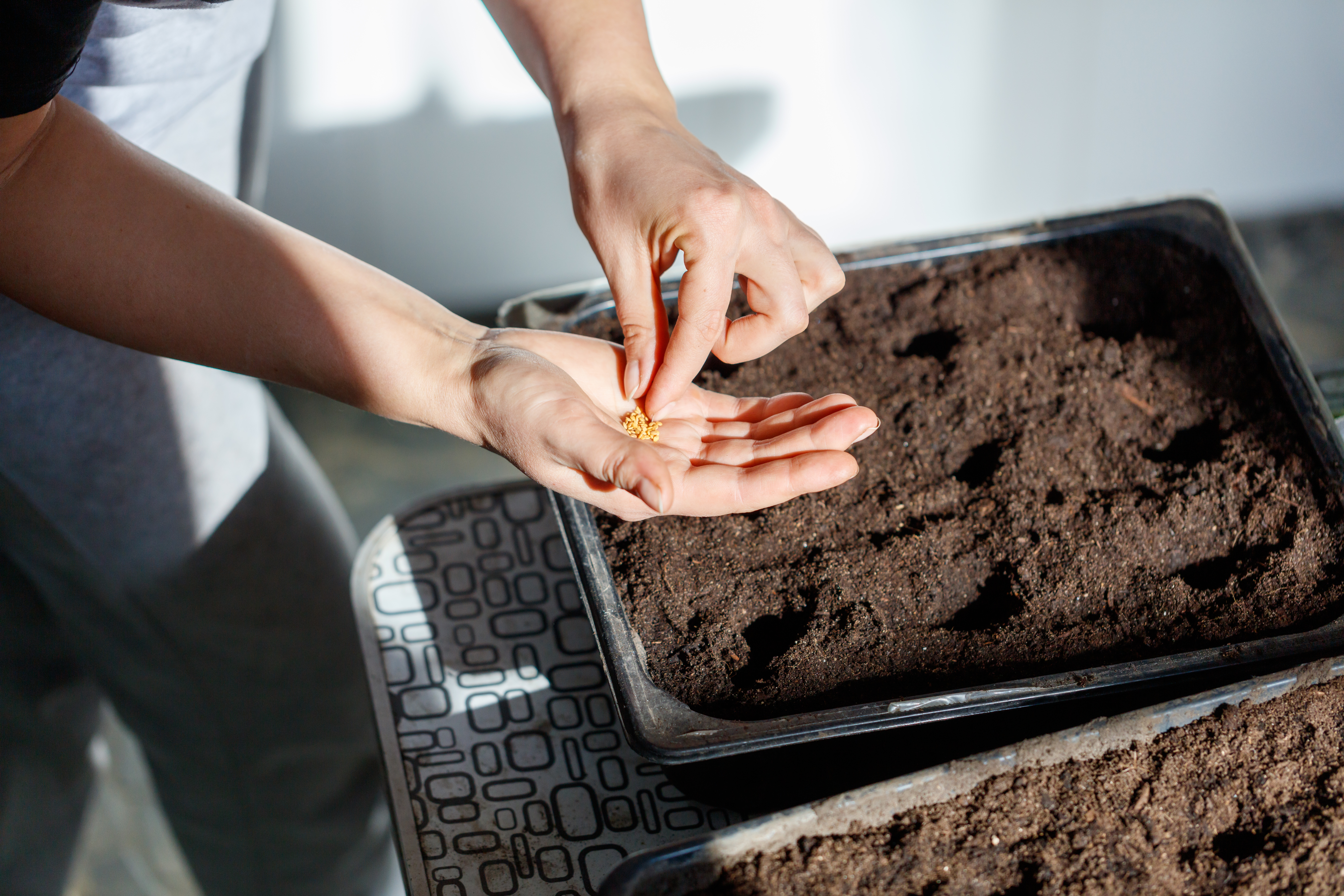
Now that your seeds are set up, let’s explore what makes a seed grow. We’re going to discover the secrets that turn these tiny wonders into thriving plants.
What Seeds Need to Grow
Seeds need a few key things to sprout. First, they require water. Water softens the seed coat, allowing the plant inside to expand and grow. Next, they need warmth. Most seeds sprout best at room temperature. Lastly, light plays a crucial role once the seedling emerges. It helps the plant make food through a process called photosynthesis.
You might think seeds need soil to grow, but they don’t. The kitchen roll and cotton wool provide enough support and moisture for our experiments. This is a great way to show children that seeds can grow in various ways, sparking curiosity and wonder.
Parts of a Seed: Radicle to Plumule
Inside each seed lies a tiny plant. The first part to emerge is the radicle, which becomes the root. It anchors the plant and absorbs water and nutrients. Next comes the plumule, which grows into the shoot. It pushes upwards, reaching for light.
The seed coat protects these parts until the conditions are right for growth. As the seed absorbs water, the coat softens and splits, allowing the plant to emerge. This fascinating process is easy to observe with our jar and dish experiments, making it perfect for young scientists eager to learn about plant science.
Inclusive and Eco-Friendly Tips
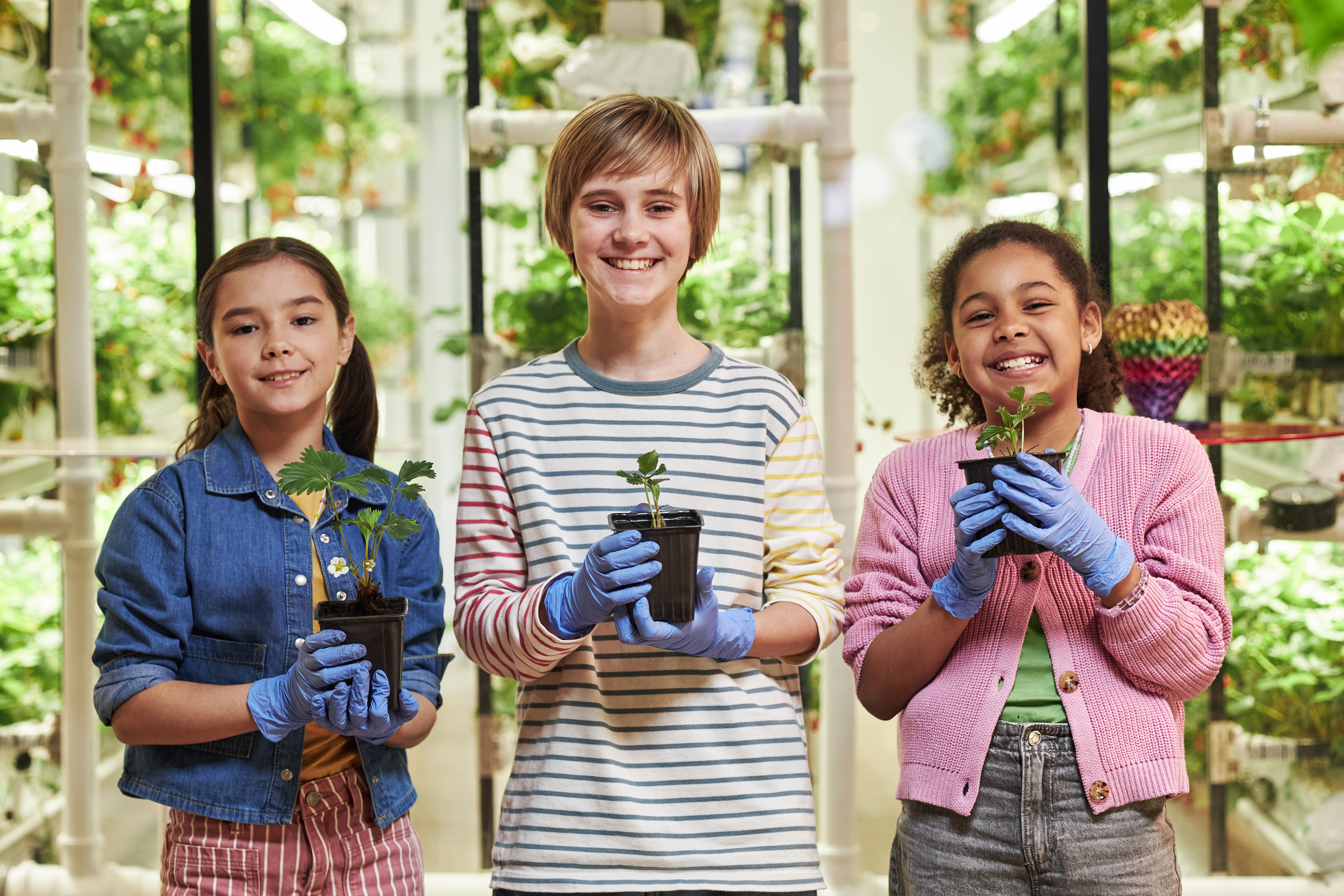
Our gardening adventure is about more than growing plants. It’s about making learning fun and accessible for everyone. Let’s explore some inclusive and eco-friendly tips to enhance this experience.
Adapting for Neurodiverse Learners
Gardening can be a soothing activity for neurodiverse children. The tactile nature of handling seeds and soil, combined with the routine of watering and observing, can provide a calming experience. Allow children to explore at their own pace. Encourage them to describe what they see, touch, and smell. This sensory engagement helps build confidence and focus.
Consider using visual aids like observation charts. These can help track growth and provide a structured way to record observations. Remember, there’s no right or wrong way to garden. Celebrate each child’s unique approach to learning and discovery.
Eco Tips for Sustainable Gardening 🌱
Gardening is a wonderful way to teach children about sustainability. Start by reusing containers like jars and dishes. This simple act demonstrates the importance of recycling and reducing waste. You can also create your own compost using kitchen scraps. This enriches the soil and reduces landfill waste.
Encourage children to think about water usage. Collect rainwater in a small bucket or jar for watering plants. This promotes conservation and teaches valuable lessons on resource management. By incorporating these eco-friendly practices, you’re nurturing not only plants but also a generation that values and protects our planet.
Join Our Club https://www.danthegardener.com/dan-the-gardener-friends-club/