Let’s Grow a Rainbow Garden This Spring 🌈 — Bee-friendly, child-approved!
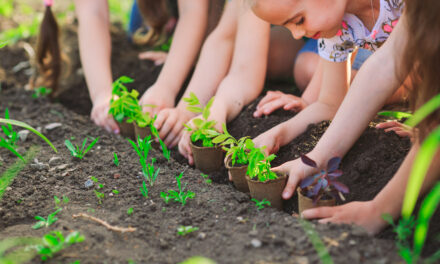
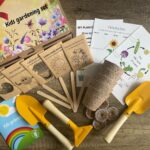
Forget the dull garden beds of the past: this spring, your family can create a brilliant rainbow garden for kids that welcomes buzzing bees and fluttering butterflies. Imagine pots bursting with red poppies, yellow sunflowers, and violet lavender, all grown by little hands eager to learn about plants and seasons. Join us for simple, inclusive steps that turn seed sowing into a colourful adventure full of science, art, and care for our planet. Ready to start? The free Dan the Gardener & Friends Club offers a Bumper Activity Pack to guide you every step. Please follow us.
Planting a Colourful Garden
Step into the world of bright blooms that attract lively pollinators and delight young gardeners. Let’s explore how to choose plants that create a vibrant palette.
Choosing Your Rainbow Plants
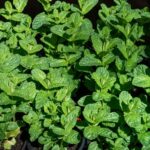
Start with a splash of colours that attract both bees and butterflies. Marigolds, poppies, and sunflowers are excellent choices for sunny spots. If you have a little shade, try planting fuchsias or foxgloves. They’re not only pretty but also friendly to our pollinator pals. Consider adding herbs like lavender or mint: these plants are fragrant and ideal for sensory exploration.
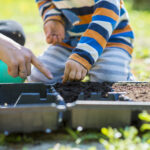
When planting, make sure each plant has enough space to grow. Use pots or containers if space is tight. Containers are great for kids to handle and can be moved to catch the sun. Encourage your children to pick their favourite plants and colours. This choice makes them feel involved and excited. Remember, the more diverse your garden, the more wildlife it attracts!
Creating Your Colour Wheel
Transform your garden into a living colour wheel with clever plant placement. Arrange your flowers in a way that mirrors the rainbow: red, orange, yellow, green, blue, and violet. This setup not only looks stunning but also teaches children about colours and order in nature. You can use coloured markers or flags to plan your planting scheme. This activity combines art and gardening, making it fun and educational.
A colour wheel helps children understand the concept of patterns. It also shows how different plants can grow together harmoniously. As the plants grow, children will witness how colours blend and change with the seasons. This hands-on experience deepens their appreciation for nature’s beauty.
Engaging Young Gardeners
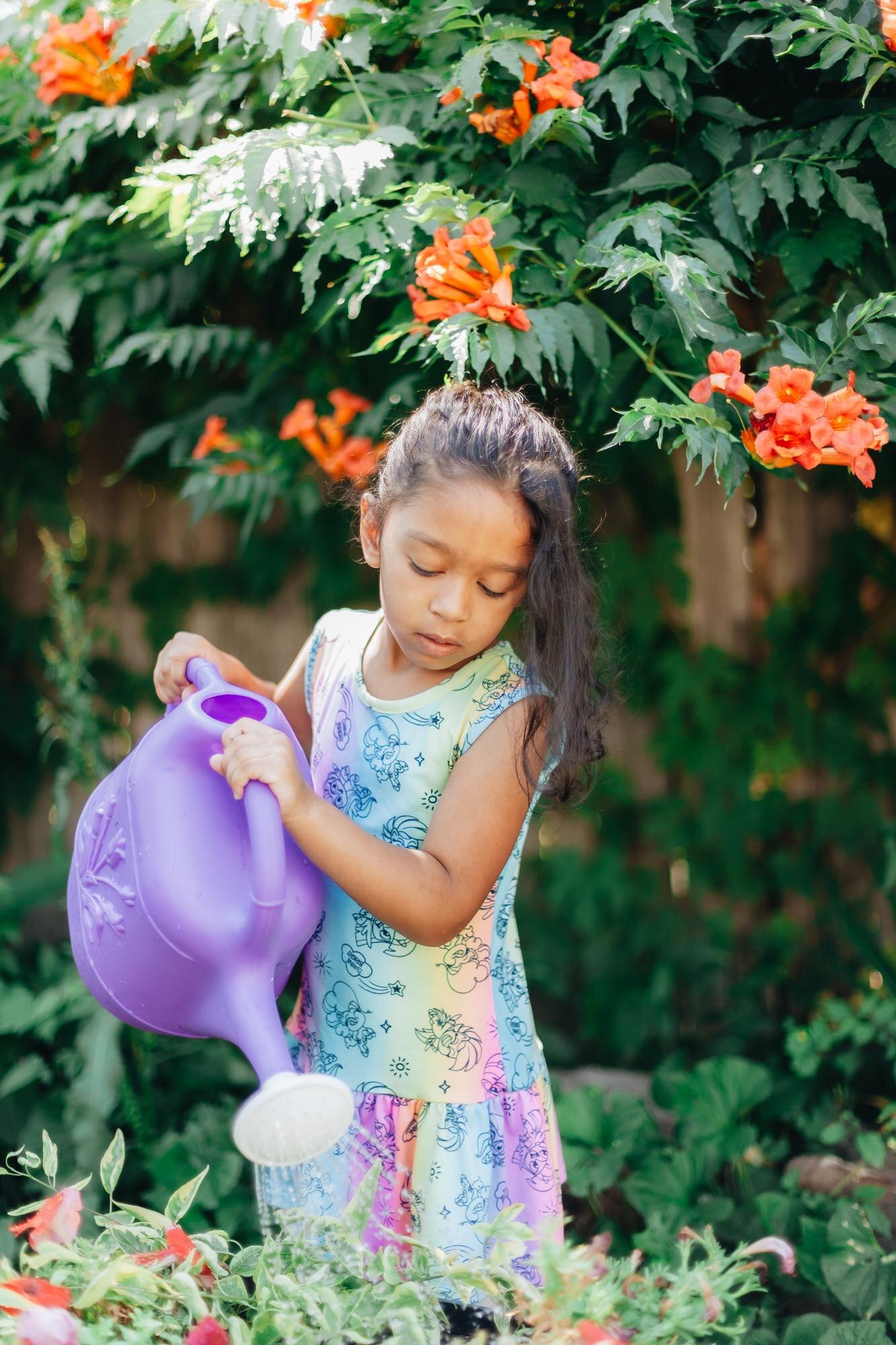
Gardening is a fantastic way to engage children and spark curiosity. Let’s dive into activities that captivate their senses and teach valuable lessons.
Sensory Garden for Children
A sensory garden is a feast for the senses: sight, smell, touch, and even taste! Include plants with interesting textures like lamb’s ear or soft grasses. Scented plants such as rosemary or thyme add a delightful aroma. Encourage your children to gently touch and smell the leaves. This interaction helps them connect with nature.
Create a sound corner with wind chimes or rustling grasses. It’s a perfect spot for children to relax and listen. Consider adding edible plants like strawberries or cherry tomatoes. They’re easy to grow and allow kids to taste the fruits of their labour. A sensory garden provides endless exploration and discovery opportunities.
Measuring Plant Growth for Kids
Introduce simple science by measuring plant growth. Provide a ruler or measuring tape and let your children track the height of their plants weekly. This activity teaches them about growth patterns and the importance of light and water. It’s also a fun way to practice counting and recording data.
Use a chart to collect measurements, encouraging your kids to observe changes over time. Ask them questions like, “Which plant is growing the fastest?” or “Why do you think this plant needs more sunlight?” These questions stimulate critical thinking and curiosity. Watching their plants grow gives children a sense of achievement and responsibility.
Eco-Friendly Gardening Practices
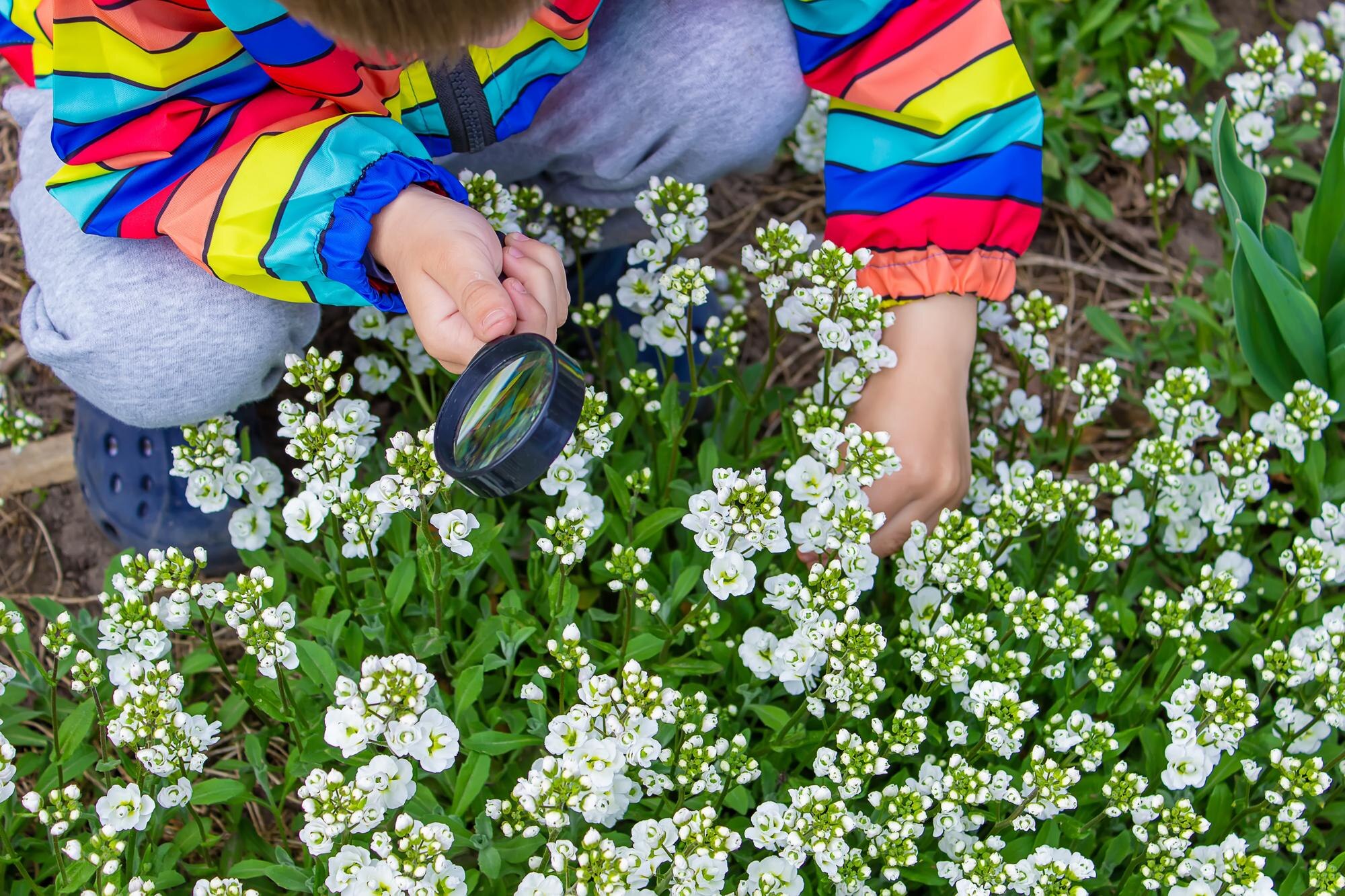
Gardening offers wonderful lessons about sustainability. Let’s explore how to garden in ways that protect our planet.
Reuse, Reduce, Recycle Gardening
Teach your children the Three Rs: Reuse, Reduce, and Recycle. Start by reusing old containers as plant pots. Milk cartons or tin cans can become charming planters with a bit of creativity. Involve your kids in decorating these containers, making the process fun and personal.
Reduce waste by composting kitchen scraps. Show your children how vegetable peels and eggshells can turn into rich soil. It’s a magical transformation that illustrates nature’s recycling process. You can also recycle rainwater by collecting it in barrels to water your garden. These practices instil a lifelong respect for the environment.
Bee and Butterfly Friendly Ideas 🐝🦋
Encourage a garden teeming with life by attracting bees and butterflies. Plant nectar-rich flowers like echinacea or lavender. These blooms are favourites among pollinators. Create small water stations by placing shallow dishes of water with stones in your garden. This setup offers a safe drinking spot for bees.
Consider leaving a patch of wildflowers to grow naturally. They provide food and habitat for various insects. Explain to your children the vital role these creatures play in pollination. This understanding fosters a sense of stewardship for the natural world. By creating a bee and butterfly haven, you’re nurturing biodiversity in your backyard.
Join the adventure with Dan the Gardener & Friends and discover more eco-friendly activities to enjoy with your family. Remember, every small action helps our planet thrive. Please follow us for more tips and inspiration!
Join Our Club https://www.danthegardener.com/dan-the-gardener-friends-club/