How Gardening Engages Diverse Learners 🌿
Gardening activities open a wonderful door for diverse learners to connect with nature in their own special way. When children dig, plant, and watch things grow, they start to feel a real sense of care for the world around them. Let’s explore how these fun moments spark environmental stewardship and inspire every child to become a little nature hero! Join us to find joyful ways to bring nature education into your home or classroom.
Gardening Activities for Diverse Learners

Gardening is more than just planting seeds; it’s a vibrant way to learn. With every dig and plant, children engage with the world in ways that books cannot teach. Let’s see how we can create spaces that welcome every learner to flourish.
Creating Inclusive Garden Spaces
Imagine a garden where every child feels at home. That’s the secret to inclusive gardening. You’ll need to consider different needs to make it happen. Start by involving children in the planning. Ask them what they want to grow or how they want the garden to look. This gives them a sense of ownership.
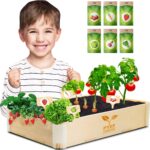
Think about accessibility, too. Raised beds can make gardening easier for those who find bending tough. Wide paths ensure everyone can move around freely. Include sensory-friendly plants like lavender and sunflowers for a calming touch. A successful garden is one where every child can thrive, regardless of their abilities.
Sensory Exploration in the Garden
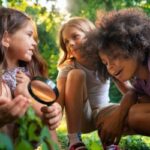
Gardens are sensory wonderlands. They are full of textures, sounds, and smells waiting to be discovered. Encourage children to explore with their senses. Let them feel the soil or listen to the rustle of leaves. This tactile experience can be particularly engaging for those who learn differently.
Create sensory stations with items like pine cones, smooth stones, and fragrant herbs. Encourage children to describe what they feel and smell. This builds vocabulary and helps them express their thoughts. Gardens offer endless opportunities to engage the senses and the mind.
Fostering Environmental Stewardship

Gardening isn’t just about growing plants; it’s about growing responsible individuals. When children care for a garden, they learn to care for the earth. Let’s dig into how these activities can nurture a lifelong commitment to our planet.
Nurturing a Sense of Responsibility
When children take charge of a garden, they learn responsibility. Assign each child a task, like watering or weeding. This teaches them that their actions have direct consequences. If they forget to water their plants, the plants won’t grow. It’s a simple yet powerful lesson in accountability.
You can also introduce them to the concept of composting. Explain how food scraps can turn into healthy soil. This teaches them about recycling and waste reduction. Plus, it’s a fun, hands-on way to see science in action. With each task, children grow more aware of their role in the ecosystem.
Connecting with Nature Through Play
Play is a powerful tool for connection. By turning gardening into a game, children naturally learn about nature. Try hosting a scavenger hunt where they look for worms, different types of leaves, or garden critters. This makes learning engaging and fun, and they won’t even realise they’re absorbing important lessons.
Storytelling is another great way to connect with nature. Share tales of how plants grow or why bees are important. Encourage children to create their own garden stories. This nurtures creativity and deepens their understanding. Play transforms the garden into a dynamic classroom.
Engaging with Eco-friendly Crafts

Crafts offer a hands-on way to explore sustainability. Children can turn everyday objects into treasures, teaching them creativity and eco-consciousness. Let’s delve into some delightful activities that blend fun with an important lesson in caring for the planet.
Fun and Educational Garden Projects
Garden projects can be simple yet impactful. Start with making seed bombs. Mix clay, compost, and seeds, then dry them in the sun. Kids can throw these in the garden or a neglected area to create bursts of wildflowers. This project teaches about plant growth and biodiversity.
You can also create a bird feeder using a pine cone, peanut butter, and birdseed. Hang it in a tree and watch as birds visit. This activity links children to local wildlife and teaches them about animal care. Each project blends fun with learning, leaving children eager for more.
Creative Ways to Reuse and Recycle 🌿
Recycling isn’t just for the bin; it can be an art form. Turn old plastic bottles into plant pots. Let children decorate them with paint or stickers. This not only reduces waste but also teaches about the value of reusing materials.
Another idea is to make a scarecrow from old clothes and straw. Each child can contribute a piece, creating a patchwork of creativity. It’s an exciting way to learn about teamwork and recycling. Through these crafts, children learn that creativity and sustainability go hand in hand.
Each of these sections provides a unique takeaway for parents and educators. They show how gardening can be an inclusive, educational, and fun experience for diverse learners. By integrating these activities into your routine, you cultivate not just a love for gardening but also a commitment to nurturing our planet.
Give your little ones the joy of creativity and learning. Join the Dan the Gardener & Friends Club now and start your eco-friendly journey!
Join Our Club https://www.danthegardener.com/dan-the-gardener-friends-club/