

How to Start a Children’s Spring Garden: Simple Steps for Families to Grow Together
Starting a children’s spring garden in the UK can seem tricky, especially when you want to include little ones aged 4 to 9. But planting seeds with children doesn’t have to be complicated or messy! With a few simple steps, your family can enjoy sensory gardening for kids, explore KS1 science plants, and create bee-friendly flowers together. Ready to grow fun and learning side by side? Let’s make your children’s spring garden bloom with joy and discovery!
Getting Started with Children’s Spring Garden UK
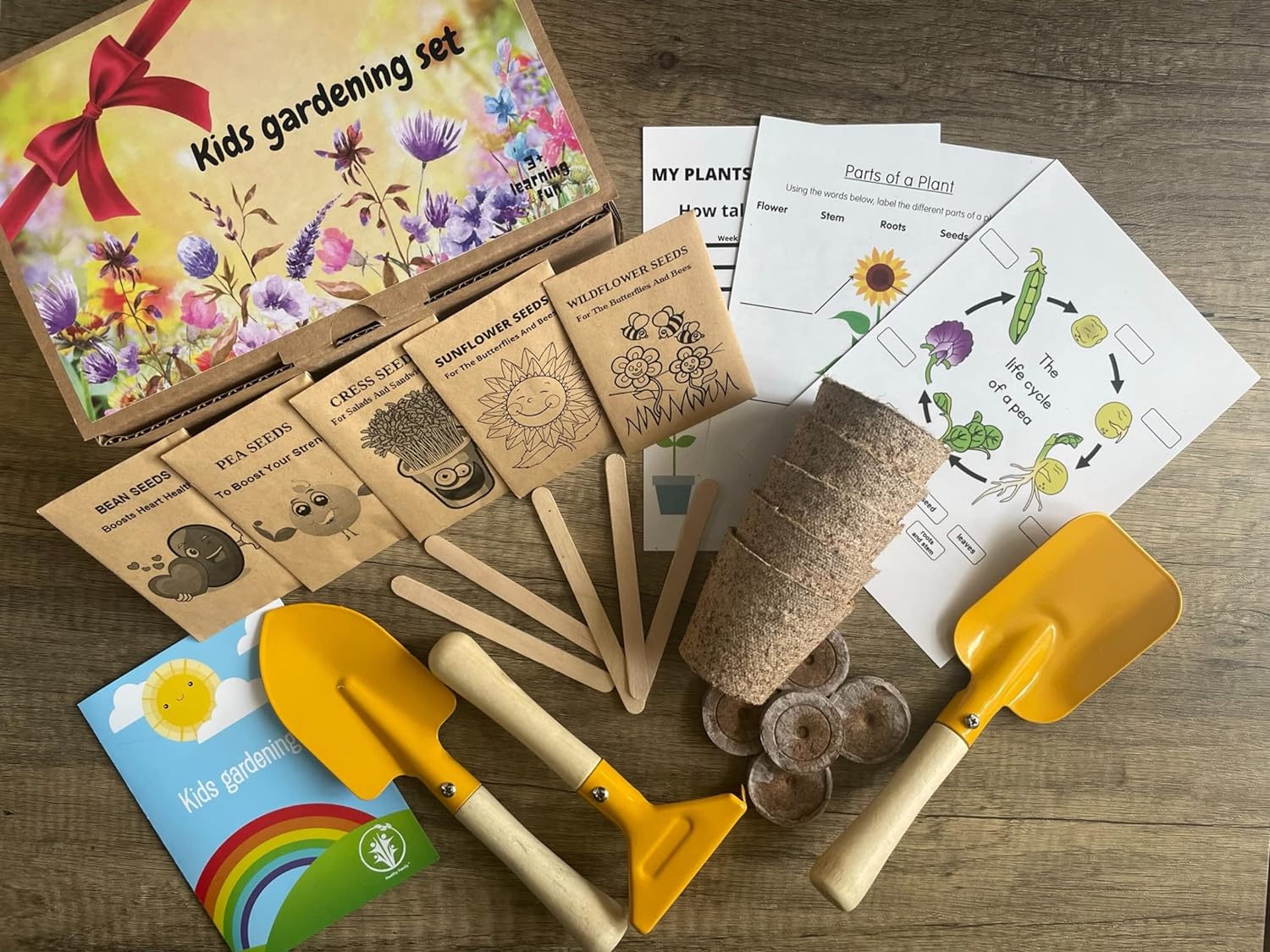
Embarking on a gardening adventure with your kids can be a joyful experience. Let’s get those little hands busy and curious minds exploring.
Choosing Easy Seeds for Kids
Starting with the right seeds is crucial. Choose seeds that are quick to sprout and easy to handle, like sunflowers and cress. Sunflowers can reach impressive heights, making them perfect for a growing challenge. Cress, on the other hand, grows swiftly on a windowsill, providing almost instant results that kids love to see. You can even set up a sunflower growing challenge with your children to see whose plant gets tallest first. Such activities not only teach patience but also introduce kids to the wonders of nature’s growth cycle.
Involving your children in seed selection is a great way to spark their interest. Allow them to pick their favourites, and maybe even name each seed. This makes the process personal and engaging. Make sure to explain how each seed type grows and what it needs. This early involvement can inspire a lifelong love for gardening and nature.
Upcycled Plant Pots Ideas
Gardening doesn’t need fancy equipment. You can use everyday items to create fantastic plant pots. Toilet roll tubes and yoghurt pots are perfect for starting seeds. Not only are these materials readily available, but they also teach children about recycling and reusing. Turn this into a creative craft session by letting kids decorate their plant pots with paint or stickers. This adds an artistic touch to your garden and gives each pot a unique flair.
This approach helps children understand the importance of the Three Rs: Reuse, Reduce, Recycle. By turning simple waste into useful garden tools, kids learn how small actions can make a big difference. Plus, it’s a fun way to keep them engaged and let their creativity flourish.
Indoor Windowsill Herb Garden UK
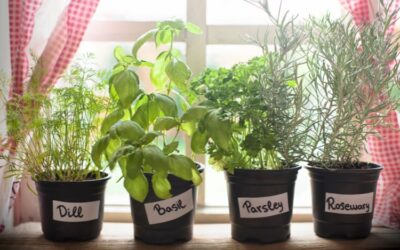
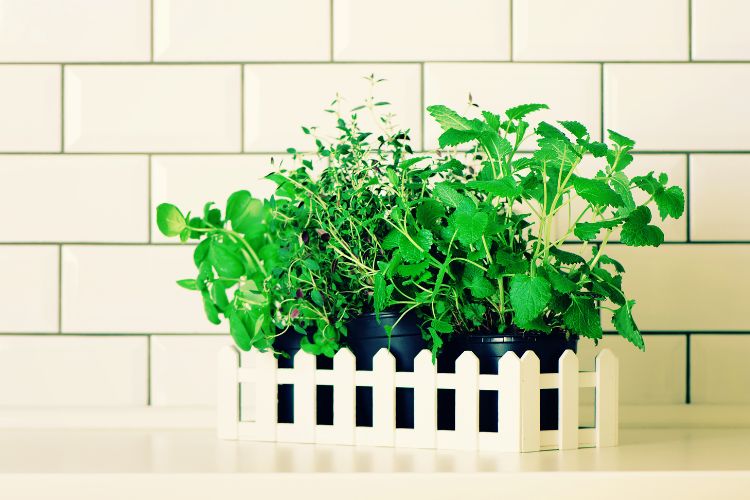
If outdoor space is limited, why not try an indoor herb garden? Herbs like mint, basil, and parsley grow well on windowsills. They require minimal care and are perfect for kids to learn about different plant textures and scents. Planting a windowsill herb garden helps children understand how plants can be used in everyday life, from cooking to home remedies.
This activity is more than just planting; it’s an educational journey. Children can learn about each herb’s uses and watch them grow day by day. Encourage them to pick and taste the herbs, connecting the garden to their daily meals. This not only enriches their diet but also instills a sense of achievement as they contribute to family meals.
Fun and Engaging Gardening Activities
Now that you’ve set up your garden, it’s time to dive into some fun activities that will keep your children entertained and learning.
Colourful Garden Activities for Children
Bring colour and creativity to your garden with vibrant activities. Encourage your children to paint garden stones or create colourful plant markers. These simple crafts add a splash of colour and make your garden unique. You can use these markers to identify different plant types, making it easier for kids to remember what they planted.
Incorporating art into gardening allows children to express themselves and boosts their creativity. Let them design a rainbow garden by planting flowers in a sequence of colours. This not only makes for a beautiful garden but also a practical lesson in colour recognition and sequence.
Sensory Gardening for Kids
Gardening is more than just planting; it’s a full sensory experience. Encourage your children to touch different textures, smell the fragrant herbs, and listen to the rustle of leaves. This sensory exploration can be particularly beneficial for neurodiverse children, offering a calming and engaging way to connect with the world.
Create a sensory path with different materials like bark, pebbles, and sand. This path encourages children to explore different sensations underfoot. Sensory gardening helps improve focus and mindfulness, offering a peaceful break from everyday hustle and bustle.
Bee-Friendly Flowers for Kids UK
Teach your children about the importance of bees by planting bee-friendly flowers. Flowers like lavender, daisies, and foxgloves are perfect for attracting pollinators. Explain how bees help plants grow by spreading pollen, and how vital they are for our ecosystem.
Creating a bee-friendly garden can also lead to observing these incredible insects in action. It’s a great opportunity to teach children about the role of bees in food production and the environment. Plus, watching bees buzzing from flower to flower adds a lively element to your garden.
Encouraging Eco-Friendly Practices
As your garden grows, instill eco-friendly habits in your children to nurture both plants and their love for the environment.
Composting for Kids
Composting is a fantastic way to reduce waste and enrich your garden. Teach your children how to compost kitchen scraps like vegetable peels and eggshells. Create a small compost bin in your garden and let your kids be in charge of adding materials and turning the compost.
This process teaches patience and the importance of recycling organic waste. Children will learn that even waste can be transformed into something valuable — rich soil for your garden. It’s a practical lesson in nature’s recycling system.
Rainwater Butt Tips UK
Installing a rainwater butt is not only eco-friendly but also a great way to conserve water. Show your children how rainwater is collected and used to water the garden. It’s a simple way to teach the importance of water conservation.
Encourage kids to monitor the water levels and use rainwater for their plants. This hands-on involvement fosters a sense of responsibility towards natural resource management and highlights the significance of sustainable living practices.
Family Veg Patch Ideas 🌿
Create a family veg patch to grow your own food. Select easy-to-grow vegetables like carrots, lettuce, and radishes. Let each family member have a role, from planting to watering and harvesting. This shared activity strengthens family bonds and encourages teamwork.
Growing your own vegetables teaches children where food comes from and the effort required to produce it. It’s a rewarding experience, culminating in a delicious meal from your own garden. This patch can be a small corner of your garden or even a series of pots, proving that you don’t need much space to start.
Let your children enjoy the fruits of their labour while learning invaluable lessons about nature, responsibility, and the environment. Gardening is a joyful journey of growth and learning for the whole family.


