Nurturing Every Mind: Inclusive Educational Adventures for Neurodiverse Children 🌱
Creating educational adventures that truly welcome every child’s unique way of thinking is a challenge many parents and educators face. When it comes to neurodiverse learning, simple tweaks can open doors to curiosity and joy. This guide shares practical tips for crafting inclusive education that sparks a love for nature in every young explorer. Ready to make learning an adventure for all minds? Let’s grow together!
Inclusive Learning Environments

Creating a learning space where every child feels valued is essential. Understanding and supporting neurodiverse learners can transform the classroom into a nurturing haven.
Embracing Neurodiverse Learning
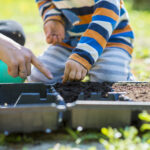
Helping children with different ways of thinking starts with understanding their needs. Neurodiverse learners often thrive with hands-on activities. Imagine a classroom where sensory experiences lead the way. Using simple tools like sand trays or water tables, children can engage with lessons in a tactile manner. Explore more techniques for supporting neurodivergent students here.
Let’s consider a child with ADHD. When given the chance to move and explore, their learning can skyrocket. Outdoor lessons and physical activities can provide the freedom their minds crave. This approach not only benefits neurodiverse children but enriches all students.
The key is flexibility. By adapting lessons to include movement and varied sensory inputs, we create spaces where every child can excel. Most people think learning happens best at a desk, but nature shows us a different path.
Mindful Parenting in Education
Parents play a crucial role in education. When parents embrace mindfulness, children learn to approach challenges with calm and focus. Imagine starting each day with a mindful moment. Simple breathing exercises can set a positive tone for the day.
Mindful parenting involves listening and observing. Recognising when a child needs a break can prevent frustration. It’s about finding balance. Check out these strategies to support neurodiverse students.
Including children in decision-making can also boost their confidence. For instance, letting them choose between two activities gives them a sense of control.
Incorporating mindfulness into daily routines helps children handle stress better. Remember, the longer you wait to introduce these practices, the more challenging it might become to instil them.
Nature for Children: A Gateway to Wonder
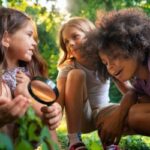
Nature is a powerful teacher. With its vast landscapes and endless wonders, it invites children to explore and learn. Whether it’s watching ants build a nest or identifying leaves, kids can learn lots outside.
Research shows that nature helps calm busy minds. Children with ADHD, for instance, may find peace in outdoor environments. Nature doesn’t demand stillness; it encourages curiosity and movement. Discover more about how nature supports neurodiverse children.
When we connect children to nature, we give them tools for lifelong learning. Nature encourages questions — why is the sky blue, or how do plants grow? These questions spark creativity and exploration.
Engaging Eco-Friendly Activities

Hands-on activities bring learning to life. Eco-friendly projects teach children about sustainability while making learning fun.
Fun Gardening Projects for Kids
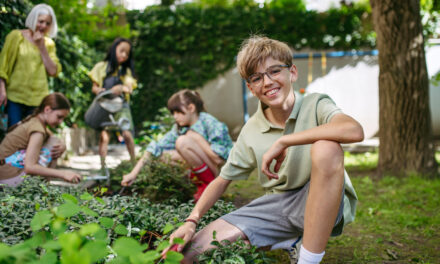
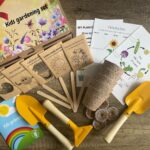
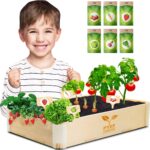
Gardening is a fantastic way for kids to learn about nature. Start with small projects like planting seeds in pots. Kids can watch their plants grow over time, learning patience and responsibility.
Imagine the joy of seeing a sunflower bloom that you’ve nurtured from a tiny seed. Gardens offer endless lessons, from understanding plant life cycles to learning about pollinators.
Gardening can also be a soothing activity. The act of planting and caring for a garden helps children develop focus and calmness. It’s a mini adventure that keeps kids engaged and learning.
Creative Nature Crafts with Recyclables
Recycling can be creative and fun. With a few simple materials, you can turn trash into treasure. Encourage kids to collect items like bottle caps, cardboard, and fabric scraps.
Turn these items into bird feeders or planters. For instance, use an old milk carton to create a birdhouse. This not only highlights the importance of recycling but also sparks creativity.
Craft projects like these show children that sustainability can be exciting. It challenges the notion that recycling is boring. Instead, they see it as a chance to be creative and make something new.
Playful Storytelling in Outdoor Adventures 🌿
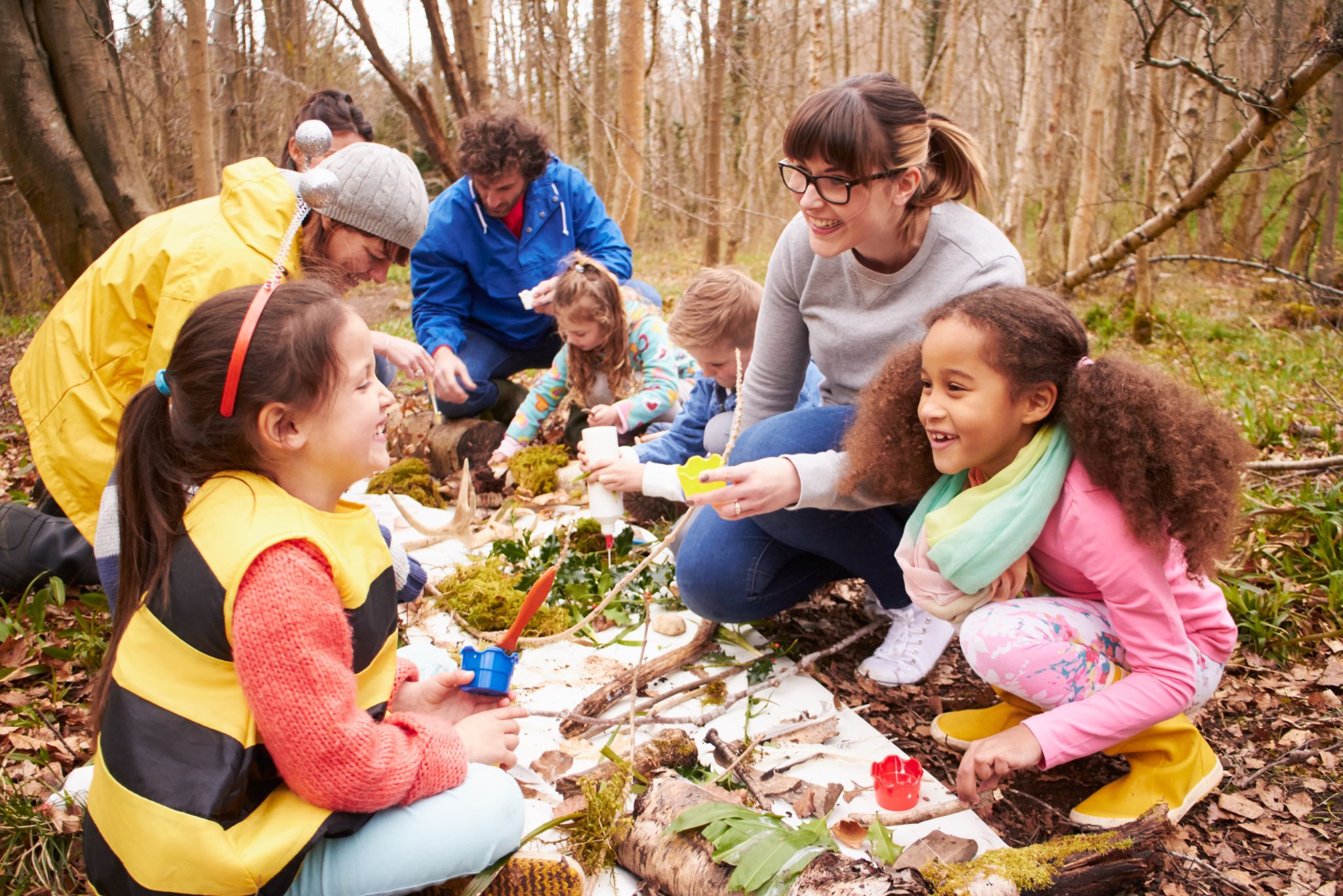
Storytelling is a powerful tool. When combined with nature, it becomes a magical experience. Take your children on a storytelling walk. Choose a path in the woods or even a garden. Along the way, weave in a story about the creatures and plants you encounter.
Encourage children to add their own ideas to the story. This engages their imagination and helps them connect with the world around them.
Outdoor storytelling challenges the belief that stories are confined to books. It shows that they live in every leaf, rock, and stream. This approach not only enhances creativity but also fosters a deeper connection to nature.
Join the Dan the Gardener Club
The adventure doesn’t stop here. There are more eco-friendly activities and stories to explore.
Access Eco-Friendly Activities and More
Joining the Dan the Gardener Club opens the door to a world of nature-based learning. You’ll find activities that teach children about sustainability and creativity.
Connect with Nature and Creativity
Explore crafts, games, and recipes that make learning about the environment fun. Every project is designed to spark curiosity and wonder.
Sign Up for Free Today! 🎉
Ready to take the next step? Join the Dan the Gardener Club and start your journey with us. Discover how small changes can make a big difference in your child’s learning adventure.
Join Our Club https://www.danthegardener.com/dan-the-gardener-friends-club/