Why Bees Love Spring (And How We Can Help Them)
Spring brings a wonderful buzz to gardens across the UK as bees wake up and start their busy days. Have you noticed how flowers suddenly seem to bloom everywhere, inviting these tiny helpers to dance from petal to petal? Join Queenie the Bee and Dan the Gardener to learn why bees love spring and how your family or classroom can create a bee-friendly garden that makes a big difference. Ready to help save the bees with simple, fun activities? Keep reading to find out how!
Why Bees Love Spring
Spring is a magical time when everything comes to life, and bees are no exception. These buzzing creatures are vital to our ecosystem, and there’s so much we can do to help them thrive.
Springtime Buzz in the UK 🌸
When the first flowers bloom in spring, bees begin their busy work. It’s like a grand opening of nature’s cafe, and every flower offers sweet nectar. This is vital for bees as they gather food. Did you know that one bee can visit up to 5,000 flowers in a single day? That’s a lot of flying! The UK is home to around 270 species of bees, including bumblebees and honeybees. Each plays a special role in pollinating our plants, helping gardens flourish.
The longer days and warmer weather signal bees to start their work. They are essential for pollinating plants and crops. Without bees, many of our favourite foods wouldn’t be on the menu. Apples, strawberries, and tomatoes all rely on these tiny workers. So, when you see a bee buzzing by, remember it’s doing important work.
Pollination for Kids: The Bee’s Tale 🐝
Pollination might sound like a big word, but it’s really simple. Imagine a bee flying from one flower to another. As it collects nectar, pollen sticks to its legs. When it visits the next flower, some pollen drops off. This helps flowers make seeds, and eventually, new plants grow.
Let’s follow Queenie the Bee on her daily adventure. Queenie loves visiting different flowers, from dandelions to daisies. She tells her friends that each flower has a special flavour of nectar. This is like trying different sweets! Bees like Queenie are storytellers of the garden, sharing tales of the flowers they’ve visited. These tales help other bees know where to find the best nectar.
Children can learn so much from bees. They can understand how every little action, like visiting a flower, can make a big difference. By watching bees, kids see teamwork in action. Bees work together to keep their hives healthy and strong.
Bee-Friendly Actions at Home
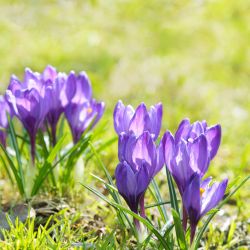
Helping bees starts right in your own garden or classroom. With a few simple steps, you can create a welcoming space for these vital creatures.
Planting for Pollinators: Wildflower Seeds UK 🌼
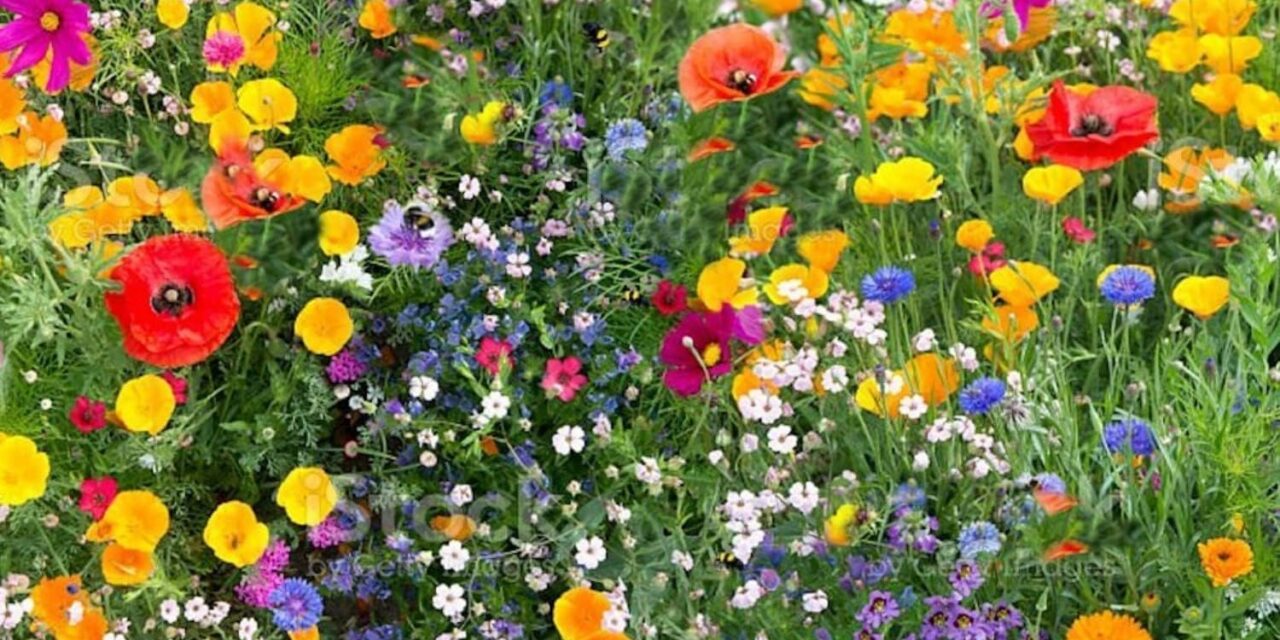
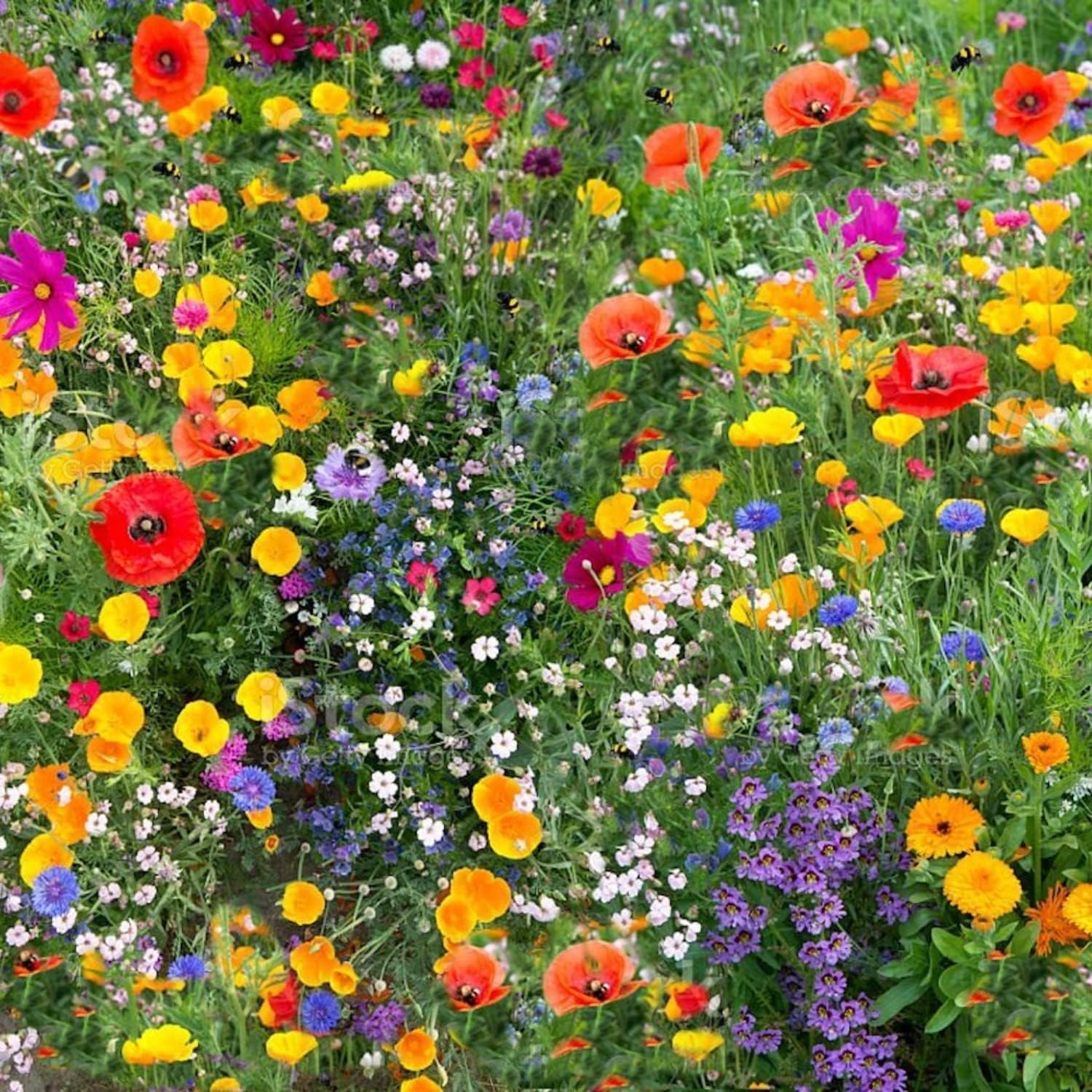
Planting wildflowers is one of the best ways to support bees. Wildflowers provide nectar and pollen that bees love. In the UK, native wildflowers like bluebells and primroses are perfect for this. They not only look beautiful but also attract a variety of pollinators.
Start by choosing a sunny spot in your garden. Scatter wildflower seeds and gently press them into the soil. These flowers will soon provide a feast for bees. Children will love watching the flowers grow and seeing which bees come to visit. It’s like having a front-row seat to nature’s theatre!
Remember, not all flowers are equal. Some garden plants don’t produce much nectar. That’s why wildflowers are the best choice. They’re like a buffet for bees, offering plenty of food throughout the season.
Build a Bee Hotel and Watering Station 🏨💧
Creating a bee hotel is a fun project for families. It gives solitary bees a place to rest. Use materials like bamboo canes or wooden blocks with drilled holes. Hang your bee hotel in a sunny spot, and watch as bees move in.
Bees also need water to stay hydrated. You can make a simple watering station with a shallow dish filled with water and pebbles. The pebbles give bees a safe place to land. It’s important to keep the water clean and fresh. This little oasis can make a big difference for thirsty bees.
Involving children in these projects teaches them about responsibility and care for nature. It shows them how small actions can help the environment. Plus, they’ll have fun checking the bee hotel for new guests!
Engaging Eco Activities for Families
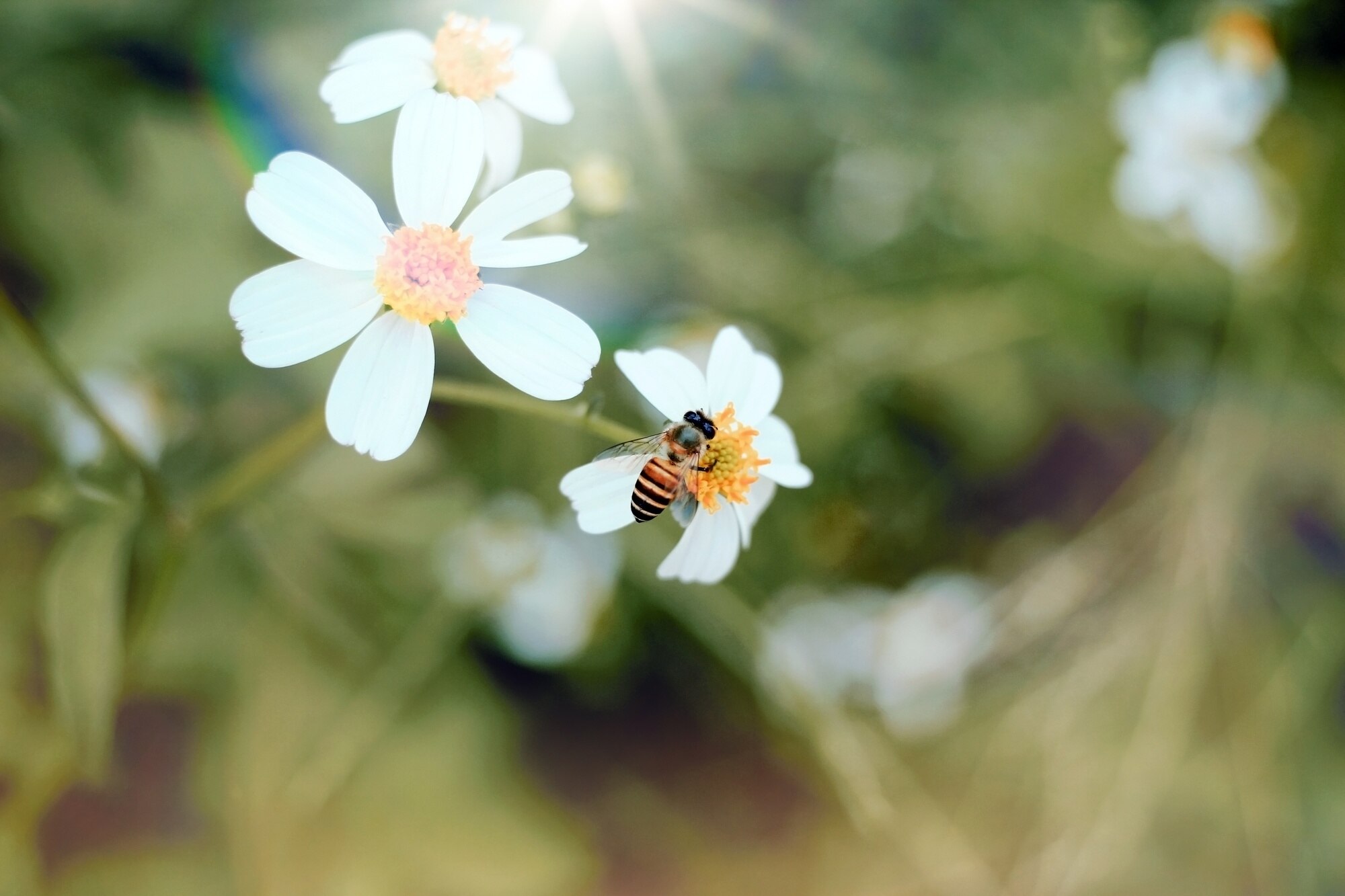
Getting the whole family involved in bee-friendly activities is both educational and fun. It’s a wonderful way to spend time together while helping the planet.
No Mow May and Pesticide-Free Gardening UK 🌱
No Mow May is a simple yet effective way to help bees. By letting your grass grow longer, you provide a habitat for wildflowers and bees. It’s an easy way to see more blooms in your garden. This movement encourages everyone to let nature take its course, supporting biodiversity right at home.
Avoiding pesticides is another essential step. Chemicals can harm bees and other beneficial insects. Instead, try natural alternatives like garlic spray or soap and water. This approach not only protects bees but also creates a healthier garden environment.
Most people believe a neat garden is best, but nature thrives with a bit of messiness. Letting lawns grow and avoiding chemicals can transform your garden into a bee paradise. It’s a small change with a big impact.
Save the Bees Activities: Join Dan the Gardener & Friends Club 🎉
Joining the Dan the Gardener & Friends Club opens a world of eco-friendly activities. From crafting to gardening, there’s something for everyone. The club offers resources that make learning about nature interactive and exciting. By signing up, you gain access to games and crafts that teach kids about the environment.
Kids can create bee-themed crafts or participate in garden challenges. These activities spark creativity and educate at the same time. They’re designed to be inclusive, ensuring all children can join in the fun.
The longer you wait to engage with nature, the more you miss out on these joyful moments. Joining the club is a step toward making a difference and enriching your family’s connection to the environment. By participating, you become part of a community that values sustainability and learning.